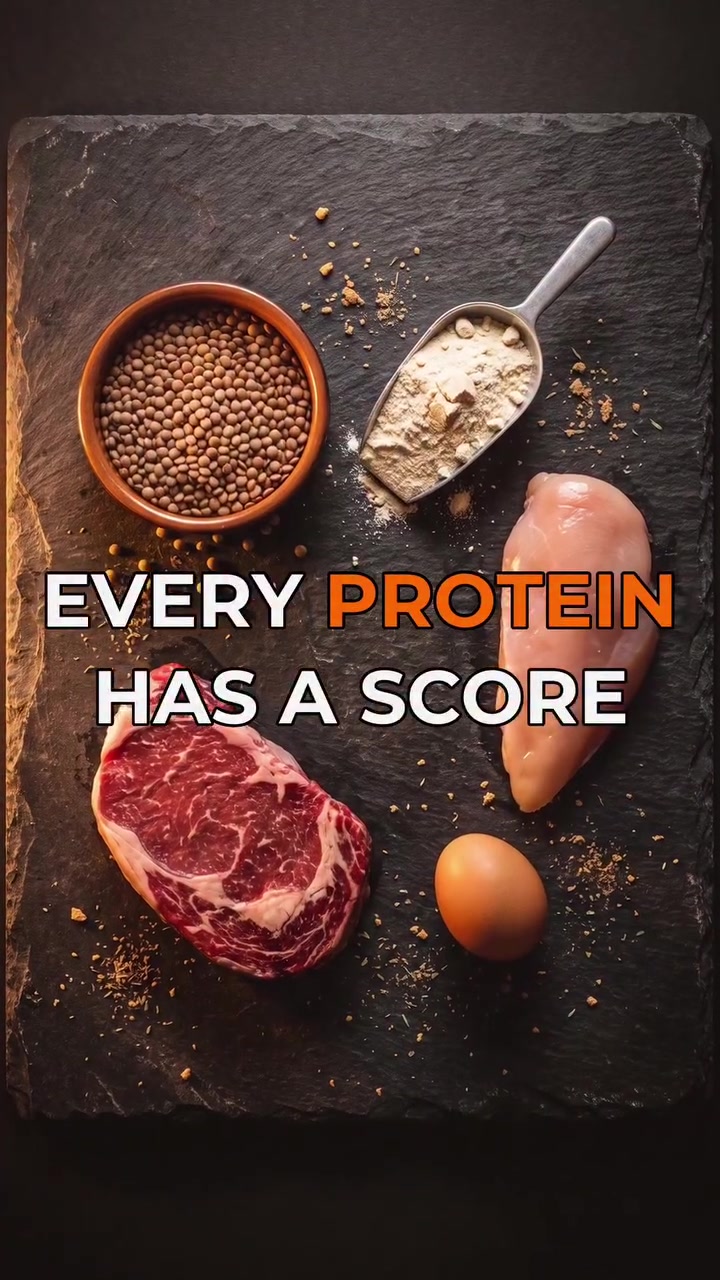
The ultimate Protein Tier List, ranked by the UN's official DIAAS score
"SIMPLE, HIGH-QUALITY": these keywords are the rationale behind the UN's official scoring method for protein. What is a complete protein? Not peanuts, kidney beans, or lentils (though they’re plants). Chicken breast? Not quite. The United Nations ranks the quality of different protein sources with a DIAAS score — Digestible Indispensable Amino Acid Score. It measures how digestible a protein is and how well it can support human health.
What it is
The DIAAS system, managed by the United Nations, assigns a score of up to 100 to every protein. This score gauges not just how much of the protein you can absorb, but also the presence of essential amino acids. Higher DIAAS scores mean more complete proteins. A passing score is 75 on this gauge, with plant proteins like chickpeas, lentils, and beans falling below 75. The entire meat industry has notable scores; ribeye scores a 98, and eggs, naturally, have the highest tier. DIAASS scores are far more than simply digestibility. Protein quality matters because it's how well your muscles and body cells can utilize the protein — the higher the score, the better. The UN's system aims to provide clarity on this matter.
The ascension of the whole egg
As legumes tiptoe towards scoring points, the whole egg takes the highest spot. Ribeye sits comfortably in the top slots, with chicken breast — a staple for many — falling behind. Every protein has distinctive implications. The whole egg scores 113, cementing its status as more than complete. Surprisingly, it’s the egg yolk that packs the nutrient punch. Research suggests that consuming whole eggs can lead to 40% more muscle building than just the whites alone.
Eggs vs. meats
Eggs offer a remarkable blend of nutrition and affordability. The UN's rankings echo the supremacy of whole eggs, but meats and whey aren't far behind. Chicken breast and ribeye offer 98 and 98% scores. Whole eggs cost less and offer heme iron, B12, and creatine—micronutrients that the meat-only diet can't assure. Eggs additionally have more versatility. They can be incorporated in a variety of recipes, from breakfast to dinner. Despite scoring lower, legumes like chickpeas and lentils are still packed with essential fats and fiber, and cheaper.
Proteins in your diet
When choosing proteins for your meal, preference should ideally shift to eggs and meats or even plant proteins for a cheaper meal. There are even plant options; soybeans and whey are close to complete. The UN's rankings aren't mandates — it’s a guide and a reference for the quality of proteins. Beans, lentils, and chickpeas, despite their lower DIAAS score, aren't "bad" or "inadequate." They can still be part of a balanced diet. But if you seek high-quality, complete proteins, look no further than the whole egg. Eggs, along with meat, whey, and plant protein powders like soy, offer near-complete protein options. Eggs, specifically, come out on top. Whether as a breakfast staple, a snack, or part of a meal, eggs are a nutrient-dense protein source. A whole egg's yolk offers heme iron, B12, and creatine, making it a bang for the buck.
Where the DIASS score falls short
Nutrition is multifaceted. While it's beneficial to weigh the protein quality of your diet, it's also crucial to look at overall nutrition. This means allocating attention to calories, fats, and nutrient density. Plants, while falling short on the DIAAS score, still offer essential fats and fiber. The DIAAS score is valuable for those focusing on muscle and fitness. It helps identify the best sources to meet protein needs. Higher scores suggest proteins that are essential for muscle tissue growth. But it's a simplified guide to nutrition. Think of it as a compass, not a map. Ultimately, what matters is the composition of your diet, not just the protein. A balanced diet incorporates proteins with various nutritional values, including those scoring lower on the DIAAS system.
Questions readers ask
What exactly is the DIAAS score and how is it calculated?
The DIAAS, or Digestible Indispensable Amino Acid Score, is a system developed by the United Nations to evaluate protein quality. It scores proteins on a scale of up to 100 based on two key factors: how digestible the protein is and how well it contains essential amino acids. Proteins that score higher are considered more complete and better for supporting human health. A score of 75 is considered passing, with plant proteins generally falling below this threshold.
Why is the whole egg at the top of the protein tier list?
The whole egg tops the protein tier list with a DIAAS score of 113, making it more than complete. This high score is due to its excellent digestibility and rich content of essential amino acids. The egg yolk, in particular, is packed with nutrients like heme iron, B12, and creatine, which contribute to its superior nutritional profile.
How do eggs compare to meats in terms of protein quality?
Eggs and meats like chicken breast and ribeye are all high on the DIAAS scale, with scores around 98, but eggs offer an added advantage. Eggs are not only high in protein quality but also more affordable and versatile. They contain essential micronutrients like heme iron, B12, and creatine that are harder to obtain from a meat-only diet. Plus, eggs can be easily incorporated into a variety of meals, making them a practical choice.
Can I still include plant proteins in my diet if they have lower DIAAS scores?
Absolutely, plant proteins like beans, lentils, and chickpeas can still be part of a balanced diet even with lower DIAAS scores. While they might not be as complete as eggs or meats, they offer other benefits like essential fats and fiber. The UN's rankings are a guide, not a mandate, so feel free to include a variety of protein sources in your meals.
Are there any plant proteins that score high on the DIAAS scale?
Yes, some plant proteins do score high on the DIAAS scale. Soybeans, for example, are close to complete proteins and can be a good option for those looking for plant-based protein sources. Additionally, plant protein powders like soy can offer a convenient way to boost protein intake.
What are the benefits of choosing proteins with higher DIAAS scores?
Proteins with higher DIAAS scores are more digestible and contain a better balance of essential amino acids, which means they can support human health more effectively. These proteins are better utilized by your muscles and body cells, making them a more efficient choice for those looking to build or maintain muscle mass.
How does the DIAAS system compare to other protein ranking systems?
The DIAAS system is unique in that it focuses on both digestibility and the presence of essential amino acids, providing a more comprehensive measure of protein quality. Other systems might focus solely on digestibility or amino acid content. The DIAAS score of 100 is the highest, with a passing score being 75. This makes it a clear and useful guide for understanding how well different proteins can support human health.
Related deep dives
Similar reads based on topic and creator.




Recent articles
Fresh deep dives from the latest Reels we unpacked.




Comments
Be the first to comment.