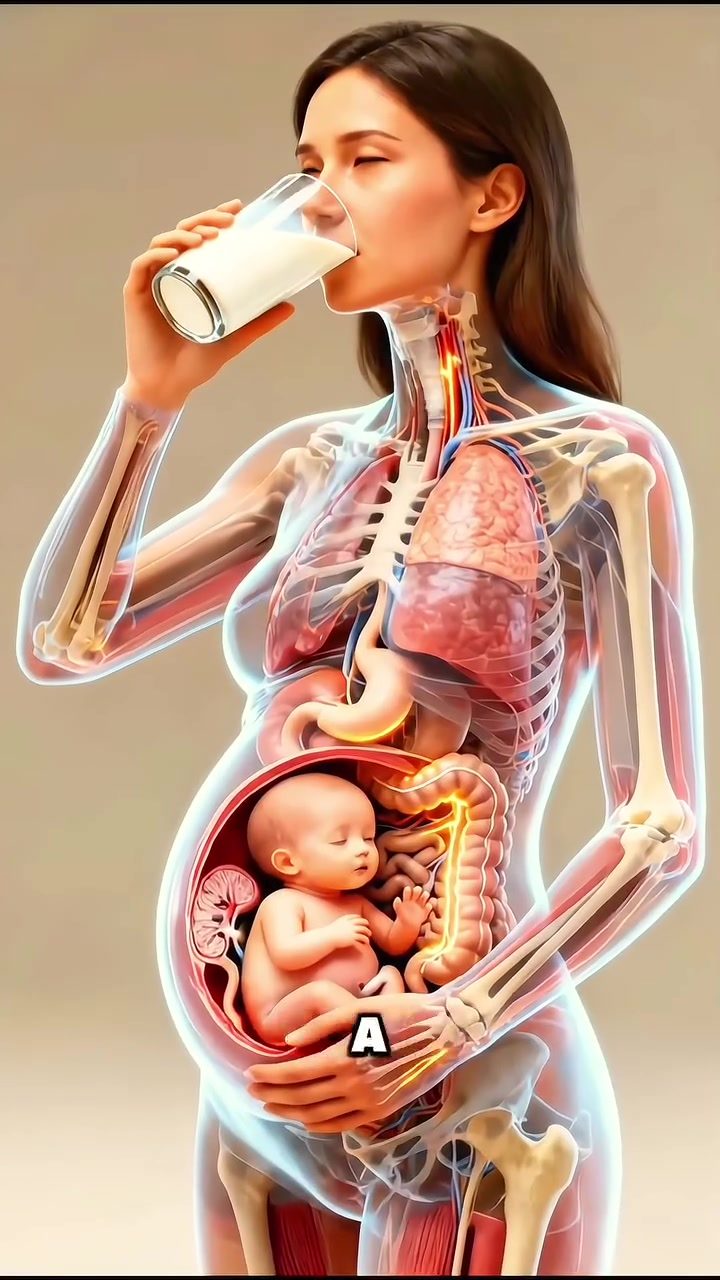
Milk and Pregnancy Nutrition
Milk is often recommended during pregnancy, but why is it so beneficial? The journey of milk through a pregnant woman's body reveals a complex, nutrient-rich process that supports both maternal and fetal health.
Why Milk Matters During Pregnancy
Pregnancy places unique demands on a woman's body, requiring increased intake of various nutrients. Milk, a readily available and nutritious choice, can help meet these needs. Here’s a breakdown of milk's essential components and their roles in supporting a healthy pregnancy.
Nutrient Breakdown
Milk contains a powerhouse of nutrients, including:
- Calcium for bone and teeth development
- Protein for tissue growth
- Vitamin D for calcium absorption
When a pregnant woman drinks milk, these nutrients do not simply stop in the stomach. Instead, the body breaks down milk into its essential components, which then travel through the bloodstream to support both the mother and the developing baby.
Calcium in Pregnancy
Calcium is crucial for both maternal and fetal health. During pregnancy, calcium is absorbed through the intestines and enters the bloodstream. From there, it is transferred to the uterus and eventually to the growing baby to help develop strong bones and teeth. This process ensures that the fetus has the necessary building blocks for a healthy start in life.
Impact on the Mother
While the baby benefits significantly from the calcium in milk, the mother's bone health is also protected. Calcium helps maintain the mother's bone strength, reducing the risk of osteoporosis and other bone-related issues during and after pregnancy.
Protein and Vitamin D
Milk protein is vital for tissue growth in both the mother and the baby. Vitamin D aids in the absorption of calcium, making it more effective in supporting bone health. These combined benefits ensure that the mother's body can handle the demands of pregnancy while providing essential nutrients for the baby.
The Role of Milk in Digestion and Nutrition
Milk not only provides essential nutrients but also aids in digestion. It can help alleviate common digestive issues during pregnancy, such as nausea and constipation, by providing a feeling of fullness. This can prevent overeating or making unhealthy food choices.
Addressing Lactose Intolerance
Although milk is generally beneficial, some women may be lactose intolerant. For those who experience discomfort, alternative sources of calcium, such as fortified plant-based milks, yogurt, or supplements, can be considered. A healthcare professional can provide personalized recommendations.
Practical Tips for Incorporating Milk into Your Pregnancy Diet
Incorporating milk into your diet doesn't have to be complicated. Here are a few tips to help you maximize its benefits:
Choose the Right Type
Opt for whole milk or fortified plant-based milks, which offer a good balance of nutrients. Stay away from low-fat or skimmed milk, as they might not provide the same level of nutrients.
Timing is Key
Consider drinking a glass of milk with meals to enhance calcium absorption. This can further support your body’s ability to utilize these nutrients effectively.
Supplement with Other Foods
While milk is a great source of calcium, protein, and vitamin D, it's essential to round out your diet with other nutrient-dense foods. Include leafy greens, lean proteins, and whole grains to ensure you are getting a balanced diet.
Important Takeaways
Milk provides a valuable source of nutrition during pregnancy, supporting both maternal and fetal health. Key points to remember include:
- Calcium from milk helps build the baby’s bones and teeth while protecting the mother’s bone strength.
- Protein supports tissue growth, and vitamin D aids in calcium absorption.
- Milk can also help with digestion and provide a feeling of fullness, promoting balanced nutrition.
- Consult a healthcare professional for personalized advice, especially if you have dietary restrictions like lactose intolerance.
Conclusion
Incorporating milk into a pregnancy diet can offer numerous benefits, from supporting bone health to aiding in digestion. By understanding how milk's nutrients travel through the body and impact both mother and baby, you can make informed choices to support a healthy pregnancy. Always consult with a healthcare professional to tailor your nutritional plan to your specific needs.
Questions readers ask
Why is calcium from milk so important for pregnant women?
Calcium is crucial for pregnant women as it supports both maternal and fetal bone development. Milk is an excellent source of calcium, which helps prevent bone density loss in the mother and ensures the baby's bones and teeth develop properly.
How does milk support a pregnant woman's bone health?
Milk is rich in calcium and vitamin D, both of which are vital for maintaining and building bone density. Drinking milk during pregnancy can help reduce the risk of bone loss in the mother, ensuring she remains strong and healthy during her pregnancy and beyond.
What role does protein in milk play during pregnancy?
Protein is essential for the growth and development of fetal tissues, including the baby's organs and muscles. Milk is a high-quality source of protein, which also supports the increased maternal blood volume and helps the mother's breasts and uterus prepare for childbirth and breastfeeding.
Why is vitamin D from milk important for pregnant women?
Vitamin D aids in the absorption of calcium, which is crucial for the bone health of both the mother and the developing fetus. Milk fortified with vitamin D ensures that pregnant women meet their daily requirements, supporting overall health and aiding in the baby's bone and teeth development.
Can drinking milk during pregnancy aid in fetal development?
Yes, the nutrients in milk, such as calcium, protein, and vitamin D, are vital for fetal development. These nutrients support the growth of the baby's bones, teeth, muscles, and organs, making milk a powerful ally in promoting a healthy pregnancy.
How much milk should a pregnant woman drink daily?
While individual needs may vary, the recommended daily intake for pregnant women is about 1,000 milligrams of calcium, which is roughly equivalent to 3-4 servings of milk. One serving is typically 8 ounces, ensuring that women meet their calcium requirements through milk.
What are the benefits of drinking milk during pregnancy?
Drinking milk during pregnancy offers numerous benefits, including supporting the mother's bone health, aiding in fetal development, and providing essential nutrients like calcium, protein, and vitamin D. Milk is a convenient and accessible way to meet the increased nutritional demands of pregnancy.
Related deep dives
Similar reads based on topic and creator.

Recent articles
Fresh deep dives from the latest Reels we unpacked.




Comments
Be the first to comment.