Steel Tube Expansion: A Detailed Look at the Process
Steel tube expansion is a critical process in various industries, particularly in manufacturing and construction. This method is used to enlarge the diameter of steel tubes without compromising their structural integrity. Understanding the nuances of this process is essential for ensuring the reliability and quality of the final product.
Why This Matters
The ability to expand steel tubes without breaking is crucial for several reasons. First, it allows for the creation of customized components that fit specific dimensions and requirements. Second, it ensures that the expanded tubes maintain their strength and durability, which is vital for applications in pipelines, machinery, and other industrial equipment. Additionally, the process must be precise to avoid defects that could lead to failures in the field.
Main Discussion
The Basics of Steel Tube Expansion
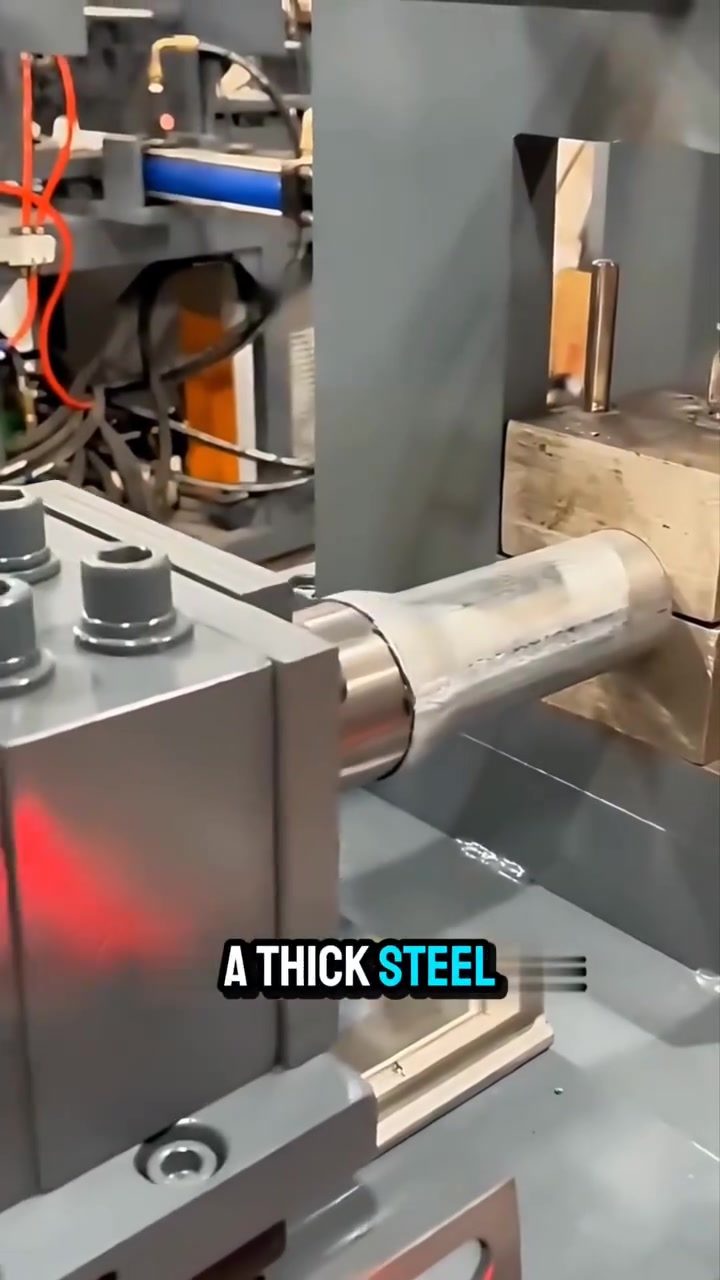
The process of expanding steel tubes involves forcing a thick steel rod into a narrow metal tube. This gradual stretching from the inside is known as tube expansion. The success of this process relies on the metal's ability to deform without breaking. However, applying more force is not always the best approach. Uneven pressure or rapid expansion can cause the tube to warp or crack.
Controlling the Expansion
To mitigate these risks, several strategies are employed:
-
Lubrication: Workers coat the expanding rod with lubricant to reduce friction. This ensures a smoother and more controlled expansion process.
-
Molding: For thin or delicate tubes, the pipe is locked inside a mold. This step ensures that the tube expands evenly and retains its shape.
-
Staged Expansion: When a larger diameter is needed, the tube is expanded in stages using rods of increasing sizes. This gradual approach helps maintain the tube's structural integrity.
Special Considerations
Heating the Tube
Before expansion, the tube is often heated to improve its ductility and prevent cracking. This step is particularly important for thicker or harder-to-expand materials.
Expanding Curved Tubes
Curved tubes present an additional challenge. Instead of using rods, steel balls are pushed through the pipe. This method expands the tube from the inside while preserving its complex shape. This technique is crucial for creating perfectly expanded tubes with remarkable precision.
Visualizing the Process
The expansion process can be visualized through various steps. Initially, a thick steel rod is fed into the tube, gradually stretching it from the inside. The process requires precise control of the diameter to ensure uniformity. The final result is a perfectly expanded tube that meets the required specifications.
The Role of Machinery
Specialized machinery, such as steel expanding machines, plays a pivotal role in this process. These machines use hydraulic pressure to expand the steel tubes, ensuring that the expansion is controlled and uniform. The machines are designed to handle various tube sizes and shapes, making them versatile tools in industrial settings.
Practical Tips
Ensuring Precision
-
Use High-Quality Lubricants: Selecting the right lubricant can significantly reduce friction and ensure a smoother expansion process.
-
Monitor Temperature: Heating the tube before expansion can enhance its ductility, making it easier to expand without cracking. Monitor the temperature carefully to avoid overheating, which can weaken the material.
-
Increase in Stages: For larger expansions, gradually increase the size of the rods. This staged approach helps maintain the tube's integrity and prevents warping.
-
Utilize Molds: For delicate or thin tubes, use molds to ensure even expansion and maintain the tube's shape.
Handling Curved Tubes
-
Use Steel Balls: Instead of rods, push steel balls through the pipe to expand curved tubes. This method preserves the tube's complex shape and ensures even expansion.
-
Maintain Control: Use specialized machinery designed to handle curved tubes. These machines provide the necessary control and precision for a successful expansion.
Important Takeaways
-
Precision is Key: The success of steel tube expansion relies on precise control of the expansion process. Uneven pressure or rapid expansion can lead to defects.
-
Lubrication and Heating: Using lubricants and heating the tube before expansion can significantly improve the process, making it smoother and more controlled.
-
Specialized Machinery: Investing in high-quality, specialized machinery ensures that the expansion process is precise and uniform, resulting in high-quality, reliable tubes.
-
Staged Expansion: For larger expansions, a staged approach using rods of increasing sizes helps maintain the tube's structural integrity.
Conclusion
Steel tube expansion is a crucial process in industrial applications, offering a way to create customized components with precise dimensions. Understanding the intricacies of this process, from lubrication and heating to the use of specialized machinery, is essential for achieving high-quality, reliable results. By following practical tips and utilizing the right techniques, manufacturers can ensure that their expanded tubes meet the required specifications and maintain their structural integrity.
Questions readers ask
What is steel tube expansion and why is it important in industrial processes?
Steel tube expansion is a process that increases the diameter of steel tubes while maintaining their structural strength. This is essential in industries like manufacturing and construction because it allows for customization of components to meet specific dimensions and requirements. The process ensures that the tubes retain their durability and strength, which is critical for applications in pipelines, machinery, and other industrial equipment.
How does steel tube expansion maintain the structural integrity of the tubes?
Steel tube expansion uses precise and controlled methods to enlarge the tube diameter, such as hydraulic or mechanical processes. These methods apply uniform pressure or force, which helps to maintain the structural integrity of the tubes by preventing defects and ensuring even expansion. This results in tubes that are both larger in diameter and just as strong as before the expansion.
What are the benefits of using expanded steel tubes in construction and manufacturing?
Expanded steel tubes offer several benefits, including the ability to create customized components that fit specific dimensions and requirements. This precision is crucial for ensuring the reliability and durability of the final product, whether it's used in pipelines, machinery, or other industrial equipment. Additionally, the process can help to reduce waste by allowing for the use of standard-sized tubes that can be expanded to the necessary dimensions.
Can thick-walled steel tubes be expanded safely?
Yes, thick-walled steel tubes can be expanded safely using specialized techniques and equipment. The key is to apply controlled and uniform pressure or force, which helps to prevent defects and ensures even expansion. This process allows for the creation of custom-sized components while maintaining the strength and durability of the tubes, which is vital for applications in heavy machinery, industrial equipment, and other demanding environments.
What methods are commonly used for expanding steel tubes without breaking?
Several methods can be used for expanding steel tubes without compromising their strength. These include hydraulic expansion, which uses fluid pressure to enlarge the tube, and mechanical expansion, which employs specialized tools to apply force evenly. Additionally, some advanced techniques involve using a mandrel or a roller to gradually expand the tube, ensuring it retains its structural integrity throughout the process.
Why is precision crucial in the steel tube expansion process?
Precision is vital in steel tube expansion to ensure the tubes are enlarged uniformly, without defects, and to the exact dimensions required. This is achieved through careful control of the expansion process, using specialized tools and techniques. By maintaining precision, manufacturers can guarantee the reliability of the final product, which is essential for applications in machinery, pipelines, and other industrial equipment.
How does steel tube expansion help in reducing material waste?
Steel tube expansion allows for the use of standard-sized tubes, which are expanded to the required dimensions. This minimizes the need for custom-sized tubes and reduces the amount of material waste generated. By only expanding what is necessary, manufacturers can optimize their use of resources and reduce costs, making the process more efficient and sustainable.
Related deep dives
Similar reads based on topic and creator.


Recent articles
Fresh deep dives from the latest Reels we unpacked.




Comments
Be the first to comment.