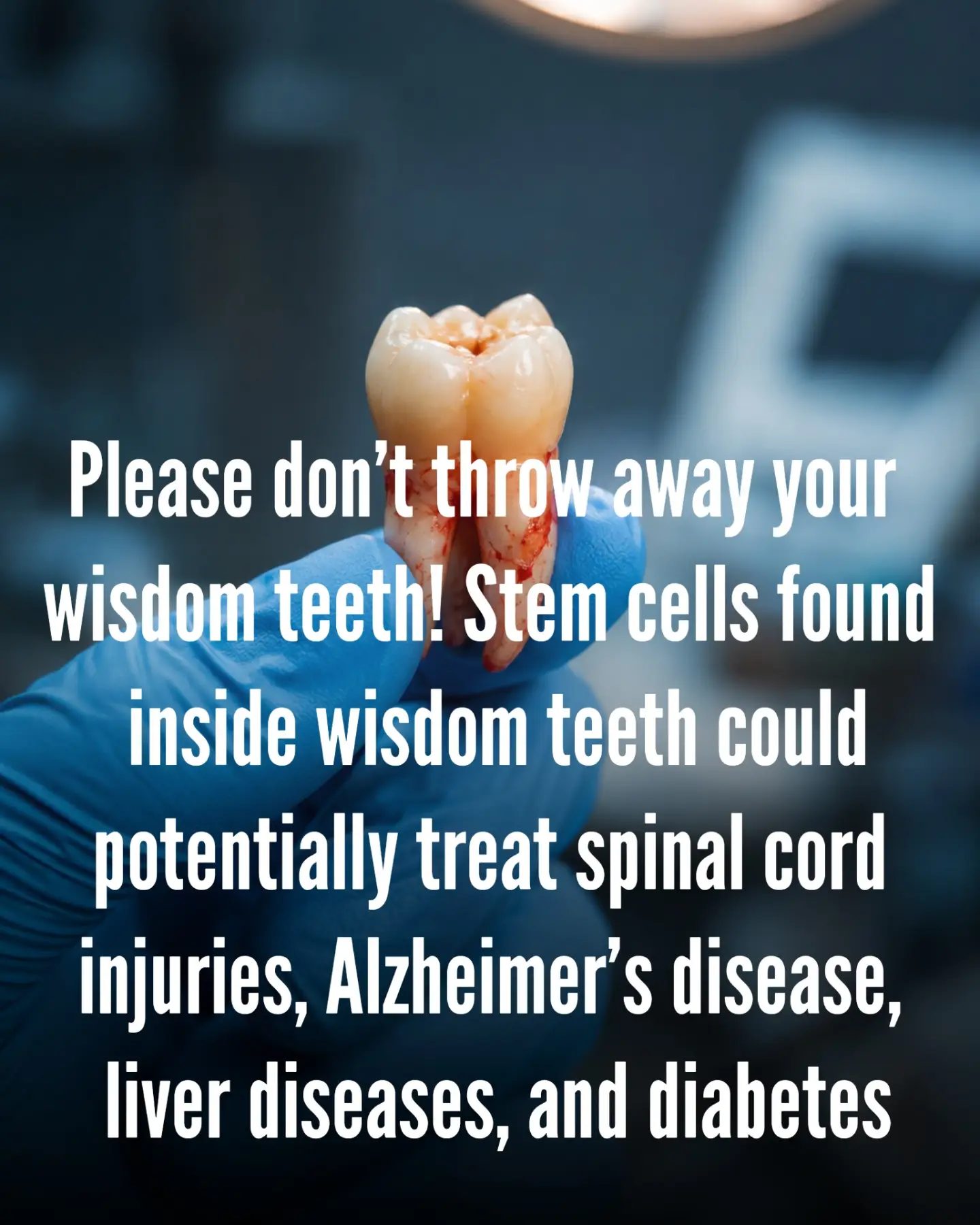
Wisdom Teeth: A Hidden Source of Regenerative Stem Cells
Wisdom teeth, often removed for orthodontic reasons, may hold a surprising medical secret. The soft dental pulp inside these third molars contains dental pulp stem cells (DPSCs), a highly regenerative population of mesenchymal stem cells. These cells are capable of differentiating into several cell types and supporting tissue repair, making them a valuable resource in regenerative medicine.
Why This Matters
The potential of dental pulp stem cells extends far beyond dental applications. Researchers are actively investigating their use in treating a range of conditions, from spinal cord injuries to neurological and metabolic diseases. The implications for future medical treatments are vast, as these cells may offer new avenues for tissue repair and disease management.
The Science Behind Dental Pulp Stem Cells
Dental Pulp Stem Cells: A Regenerative Powerhouse
The dental pulp within wisdom teeth is rich in DPSCs, which have unique regenerative properties. These cells can differentiate into various cell types, including nerve cells, bone cells, and even insulin-producing cells. This versatility makes them an attractive option for a wide range of medical applications.
Clinical Studies and Findings
A significant 2025 clinical study involving 132 patients with periodontitis highlighted the regenerative potential of DPSCs. The study found that human dental pulp stem cells significantly promoted the regeneration of tissues supporting the teeth. This breakthrough suggests that cells once discarded with an extracted tooth could become valuable tools in regenerative medicine.
Potential Medical Applications
While the use of DPSCs in dentistry is promising, the real excitement lies in their potential for treating other conditions. Researchers are exploring their use in:
- Spinal Cord Injuries: Preclinical studies suggest that DPSCs may reduce inflammation, protect neurons, and promote axonal and tissue regeneration. This could lead to improved outcomes for patients with spinal cord injuries.
- Alzheimer’s Disease: Research has shown that DPSCs may improve hippocampal regeneration and cognitive deficits in Alzheimer’s models. This offers hope for future treatments that could slow or even reverse the progression of the disease.
- Diabetes and Liver Diseases: DPSCs have the potential to differentiate into insulin-producing cells, making them a promising avenue for diabetes treatment. Additionally, their regenerative properties could be harnessed to treat liver diseases, offering new hope for patients with chronic liver conditions.
- Neurological and Regenerative Conditions: Beyond the specific conditions mentioned, DPSCs are being investigated for their potential to treat a variety of neurological and regenerative conditions. Their ability to release growth factors that support damaged cells makes them a versatile tool in the field of regenerative medicine.
Practical Tips for Preserving Wisdom Teeth
If you or a loved one is scheduled to have wisdom teeth extracted, consider the following steps to preserve the dental pulp for potential future use:
- Consult Your Dentist or Oral Surgeon: Discuss the option of preserving your wisdom teeth with your dental professional. They can provide guidance on the extraction process and how to preserve the dental pulp.
- Choose a Specialized Storage Service: There are services available that specialize in the preservation of dental stem cells. These services can store the cells safely for future medical use.
- Understand the Costs and Benefits: While preserving dental pulp stem cells may involve additional costs, the potential future medical benefits could be significant. Weigh the costs against the potential benefits to make an informed decision.
Important Takeaways
- Wisdom teeth contain dental pulp stem cells (DPSCs) with significant regenerative potential.
- These cells can differentiate into various cell types and support tissue repair, making them valuable in regenerative medicine.
- Clinical studies have shown promising results for the use of DPSCs in treating periodontal disease and other conditions.
- Researchers are exploring the use of DPSCs for spinal cord injuries, Alzheimer’s disease, diabetes, liver diseases, and other neurological and regenerative conditions.
- Preserving wisdom teeth for future medical use is a viable option and should be discussed with a dental professional.
Conclusion
The discovery of dental pulp stem cells within wisdom teeth opens up a world of possibilities in regenerative medicine. While the clinical applications are still being explored, the preliminary findings are promising. By preserving wisdom teeth and their valuable stem cells, individuals may gain access to future medical treatments that could significantly improve their health and quality of life. As research continues, the potential of these cells to revolutionize medicine becomes increasingly clear.
Questions readers ask
What are wisdom teeth stem cells and why are they significant in regenerative medicine?
Wisdom teeth stem cells, specifically dental pulp stem cells (DPSCs), are found in the soft tissue inside wisdom teeth. They are significant because they can differentiate into various cell types, making them valuable for regenerative medicine applications in treating a range of conditions.
How are wisdom teeth stem cells used in treating spinal cord injuries?
Researchers are exploring the use of dental pulp stem cells to promote tissue repair and regeneration in spinal cord injuries. These cells can differentiate into nerve cells and support the growth of new neural tissue, offering hope for improved recovery.
Can wisdom teeth stem cells be used to treat metabolic diseases like diabetes?
Yes, dental pulp stem cells show promise in treating metabolic diseases. Studies are underway to investigate how these cells can help regenerate pancreatic tissue, which could lead to new treatments for diabetes and other metabolic conditions.
What makes dental pulp stem cells from wisdom teeth a valuable resource in regenerative medicine?
Dental pulp stem cells from wisdom teeth are valuable because they are a readily available and non-invasive source of regenerative stem cells. They can be easily harvested during routine wisdom teeth removal procedures, making them a convenient resource for further research and potential treatments.
How do dental pulp stem cells contribute to the treatment of neurological diseases such as Alzheimer's?
Dental pulp stem cells have the potential to differentiate into neural cells, which can support the repair and regeneration of damaged brain tissue. Ongoing research is exploring their use in treating neurodegenerative diseases like Alzheimer's, with the goal of slowing disease progression and improving cognitive function.
Can wisdom teeth stem cells be used to treat liver diseases with stem cell therapy?
Yes, dental pulp stem cells are being investigated for their potential to treat liver diseases. These cells can differentiate into liver cells, aiding in the regeneration of damaged liver tissue and offering a promising avenue for therapies aimed at improving liver function.
What is the process of harvesting stem cells from wisdom teeth?
Harvesting stem cells from wisdom teeth involves extracting the third molars during a routine dental procedure. The dental pulp, which contains the stem cells, is carefully removed and processed to isolate the stem cells. These cells can then be stored for future therapeutic use or used immediately for research purposes.
Recent articles
Fresh deep dives from the latest Reels we unpacked.




Comments
Be the first to comment.