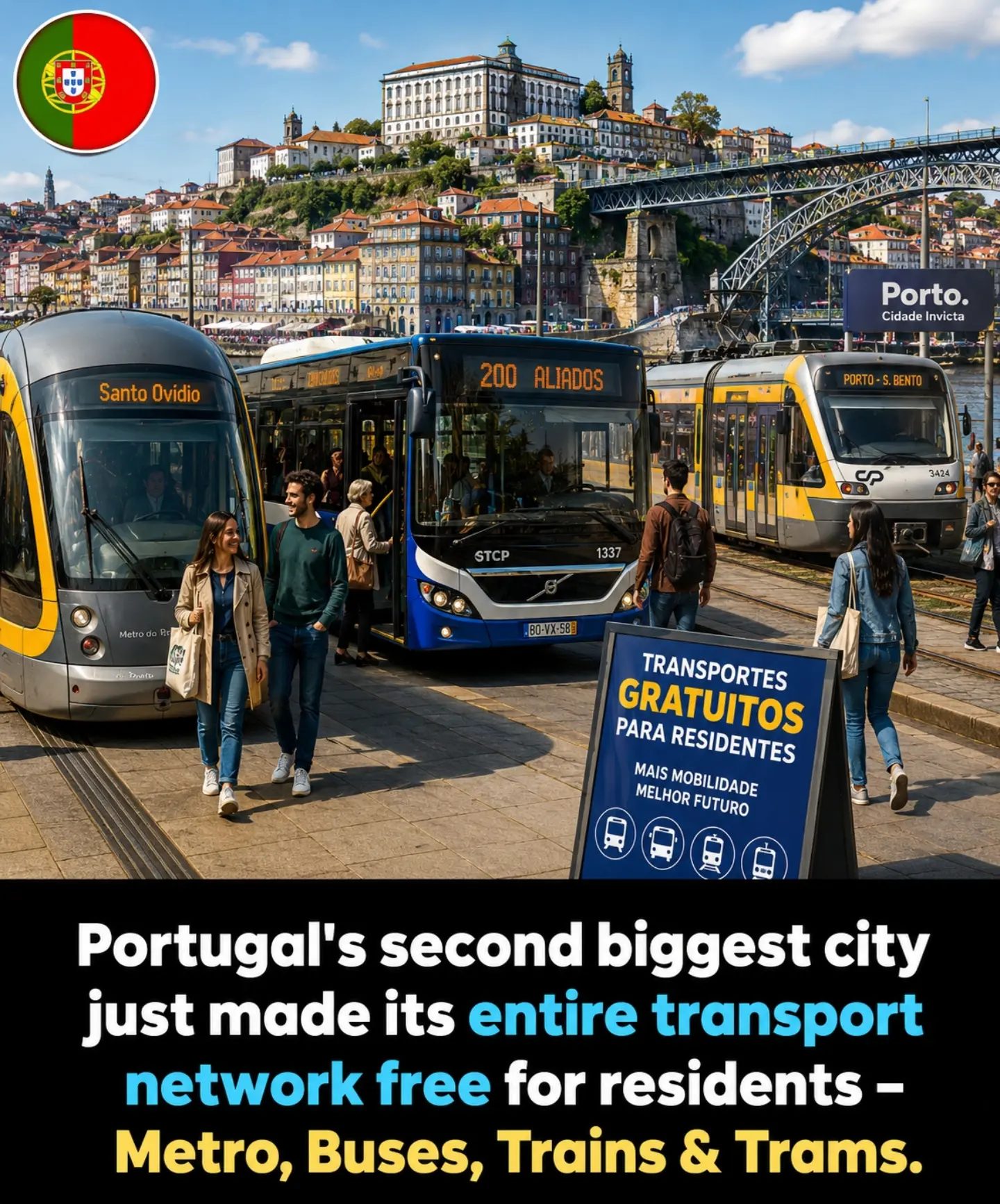
Free Public Transport in Porto
Porto, Portugal's second-largest city, has taken a significant step towards enhancing urban mobility by making its entire public transport network free for residents. This initiative covers all modes of transport, including metro, buses, trains, and trams, operated by STCP, the city's primary public transport provider.
Why This Matters
Public transport is a critical component of urban infrastructure, affecting everything from daily commutes to environmental sustainability. By making public transport free for residents, Porto aims to improve accessibility, reduce traffic congestion, and promote a greener, more sustainable city. This move underscores a growing global trend towards more inclusive and environmentally conscious urban planning.
The Scope of the Initiative
All-Inclusive Public Transport
The initiative encompasses all forms of public transport within Porto. This includes:
- Metro: The metro system connects various parts of the city, making it easier for residents to travel between neighborhoods, business districts, and leisure areas.
- Buses: Porto's extensive bus network covers areas that the metro may not reach, ensuring comprehensive connectivity.
- Trains: Train services connect Porto to other cities and towns, facilitating regional travel.
- Trams: Trams offer a scenic and historic way to travel, particularly in the older parts of the city.
Targeting Residents
The free transport initiative is specifically aimed at residents, making it an enticing prospect for those who live and work within the city. By providing free access, Porto encourages its citizens to use public transport more frequently, reducing the need for private vehicles and alleviating traffic congestion. This, in turn, can lead to a cleaner, more pleasant urban environment.
Practical Applications and Benefits
Environmental Impact
One of the most significant benefits of free public transport is its environmental impact. Fewer cars on the road mean reduced carbon emissions and improved air quality. This initiative can help Porto meet its environmental goals and contribute to a healthier, more sustainable city.
Economic Considerations
While the cost of providing free public transport is substantial, it can also have economic benefits. Increased accessibility can lead to more vibrant communities where residents can easily access jobs, services, and amenities. This, in turn, can stimulate local economies and improve overall quality of life.
Urban Planning and Mobility
The initiative also has implications for urban planning. By making public transport more attractive, Porto can encourage denser, more walkable neighborhoods. This reduces the need for urban sprawl and can lead to more efficient land use, benefiting both residents and the city as a whole.
Important Takeaways
The free public transport initiative in Porto is a bold step towards a more sustainable and accessible urban environment. By covering all modes of public transport and targeting residents, the city aims to reduce traffic congestion, improve air quality, and foster a more livable community. It serves as a model for other cities looking to implement similar initiatives and underscores the potential benefits of investing in public transport.
Conclusion
Porto's decision to make its entire public transport network free for residents is a forward-thinking move that addresses multiple urban challenges. By providing free access to metro, buses, trains, and trams, the city aims to enhance mobility, reduce congestion, and promote environmental sustainability. This initiative not only benefits residents but also sets an example for other cities considering similar measures. As urban populations continue to grow, innovative solutions like this one will be crucial in creating livable, sustainable cities for the future.
Questions readers ask
Who is eligible for free public transport in Porto?
All residents of Porto are eligible for free public transport. This includes all modes of transport operated by STCP, such as buses, metro, trains, and trams.
How does Porto's free public transport initiative benefit the environment?
By encouraging residents to use public transport, Porto aims to reduce car usage, which can decrease carbon emissions and air pollution. This contributes to a cleaner city and promotes sustainability.
What are the operational hours for Porto's free public transport?
The operational hours vary depending on the mode of transport. Generally, buses run from approximately 6:00 AM to 10:00 PM, while the metro operates from around 6:00 AM to 1:00 AM, with reduced frequency during off-peak hours. Check the STCP website for detailed schedules.
Does Porto's free public transport include suburban and regional services?
The initiative primarily covers urban public transport services within Porto. Suburban and regional services are not included. However, residents can benefit from free rides on metro lines that extend beyond the city center.
What should residents do to access free public transport in Porto?
Residents need to obtain a Porto Card, which serves as proof of residency and allows for free access to public transport. The application process is simple and can be done through the city's official channels.
How does Porto's free public transport initiative compare to similar initiatives in other cities?
Porto is one of several cities worldwide implementing free public transport to address urban mobility challenges. While each city's approach differs, Porto's initiative stands out for its comprehensive coverage of all urban transport modes for residents.
What are the expected impacts of free public transport on traffic congestion in Porto?
By making public transport free, Porto aims to reduce the number of private vehicles on the road. This can lead to decreased traffic congestion, making commutes more efficient and improving overall urban mobility.
Related deep dives
Similar reads based on topic and creator.




Recent articles
Fresh deep dives from the latest Reels we unpacked.




Comments
Be the first to comment.