Petrified Wood — Petrified Forest National Park
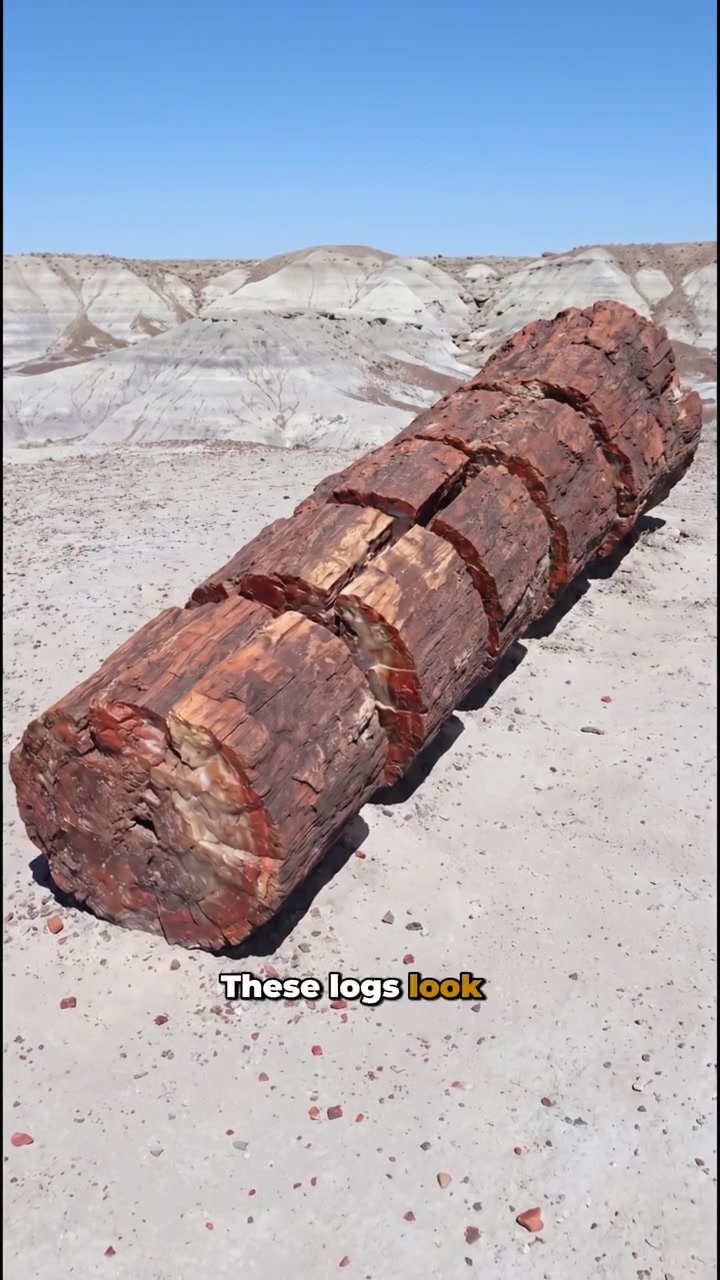
In Arizona’s Petrified Forest National Park, visitors walk among fallen logs that appear as if they were cut with a chainsaw. These “logs” are in fact solid stone, petrified trees more than 200 million years old. The logs are a geological wonder, their once-wooden structures turned almost entirely into quartz. There is a lot to learn and a lot to see, though. The logs' story is as surprising as it is ancient, and they hold a peculiar place in the park's folklore.
Fossilized Wood and Quartz
These logs are the handiwork of nature, not a lumberjack. The formation of petrified wood happens over millennia, beginning with a tree falling and being buried in sediment like mud and volcanic ash. The image of one log being "cut with a chainsaw" may look as though it really was cut by a chainsaw. But, it was the natural shifting of the Colorado Plateau that caused the stone to fracture into perfect sections. As the land rose and the brittle stone cracked, the logs' appearance changed from what looked like firewood into a perfectly split rock. The logs look like they were sliced clean through by a chainsaw, yet no blade ever touched them: they snapped on their own when the Colorado Plateau slowly rose and the brittle stone cracked into near-even sections. The process is surprisingly like baking a cake, layering the ingredients and then baking them in the oven. The ingredients are silica from volcanic ash, iron, carbon, and manganese. The oven is 200 million years of being buried in sediment. Even though the logs look like firewood, taking even a single piece is illegal. They are the result of millions of years of geological processes—contained in the quartz, iron, manganese and carbon are the logs' tree-ring signatures. So much of the original tree structure remains that the logs can be accurately identified as coniferous trees. These logs are the handiwork of nature, not a lumberjack. Petrified Wood contains to tell a geological story of how the environment of an area has changed over time., as sediment layers form the logs retain the impression of their surroundings. The iron in the quartz is what gives the logs their colourful stripes, but it is the iron in the wood that has been preserved and changed over time.
The Conscience Pile and Bad Luck
Park rangers have preserved letters ever since the 1930s in which supernatural explanations or bad luck are blamed on the petrified wood. In one experiment at Petrified Forest National Park, the warning sign that read 'many visitors take the wood' made nearly five times more theft than a sign that simply asked them not to. In 1930, when Petrified Forest National Park was first opened for the public, the National Park Service began receiving letters from people who’d stolen sections of the petrified wood. The logs mean something very different to people if they’re convinced it’s cursed. Often, the people who blame the curse will mail the wood back to the park. Rangers keep these returned pieces in a sort of repentance pile—these pieces are known as the “conscience pile.” Park visitors have been returning wood with letters of repentance and regrets since 1930.
The Experiment and the Curious Letters
The strange results of the sign experiment show that visitors actually steal more wood when they are warned of the theft. The sign introducing "many visitors take the wood" resulted in five times more theft based on the number of visitors, while a sign that simply asked them not to resulted in no thefts. Park rangers have preserved the strange notes that blame the petroleum for the bad luck that the person blames the petrified wood for, and the park has kept them for visitors to read as a warning of the curse of bad luck. The logs themselves are in fact not evil, but the outcomes of this curse go beyond their existence as petrified wood.
The Outcome of the Sign Experiment
Park rangers set up an experiment to see if the warning sign 'many visitors take the wood' would cut down on the theft and vandalism of the park's petrified wood. They found that 5 times more petrified wood was taken when they warned visitors with the sign that read "Many visitors take the wood" instead of asking them not to. Park visitors have been returning wood with letters of repentance since 1930. Along with this letter came a history of the logs.
Mailing History and the Impact of the Wood
In what may be one of the strangest parts of the folklore, visitors send logs back to the park. They do this in some cases because they feel they have been cursed and that the logs are to blame. Letters from visitors reporting their bad luck since 1930s to the park include "I can’t get a job." "my wife left me." and "I got in a car accident" were found in the park. Visitors to the park have received "cursed" petrified wood from the park. Their letters have been preserved by the park in order to analyze the strange bad luck that an inanimate object can cause. The curse of the petrified wood may have been a way to keep the wood from being stolen and carried home.
Visiting the Petrified Wood
Rainfall in the desert, especially during monsoon season, can significantly increase the likelihood of flash floods. So, do not try to go hiking with your dog or your kids as they can't cross rock formations. When visiting the park, always keep an eye out for signals and avoid areas that are dangerous for visitors, such as beaches or rivers that may be prone to flash floods. National Parks are beautiful and interesting. And the feeling you get when walking between the logs feels like you are walking between ghosts of the past.
Questions readers ask
How exactly does a tree turn into petrified wood?
The process starts with a tree falling and getting buried in sediment. Over millions of years, minerals from the surrounding soil, like silica from volcanic ash, gradually replace the tree's organic material, turning it into stone. Specifically, the tree's structure is replaced by quartz, iron, manganese, and carbon, preserving the wood's original details.
Can you tell the type of tree just by looking at the petrified wood?
Yes, the petrified wood in Petrified Forest National Park retains so much of the original tree structure that it can be accurately identified as coniferous trees. The tree-ring signatures are still visible, offering a glimpse into the tree's past.
Why do the logs look like they were cut with a chainsaw?
The logs appear to have been cut with a chainsaw due to the natural fracturing of the stone. As the Colorado Plateau rose, the brittle stone cracked into near-even sections, giving the logs their distinctive appearance. This is a natural process and not the work of a lumberjack.
What makes the petrified wood so colorful?
The colorful stripes in the petrified wood are due to the presence of iron in the quartz. The iron not only gives the logs their vibrant colors but also preserves the original tree structure, allowing scientists to study the logs' geological history.
Why is taking even a small piece of petrified wood illegal?
Taking even a small piece of petrified wood is illegal because it is a result of millions of years of geological processes. The logs contain valuable information about the environment and the geological changes that occurred over time. Removing them disrupts this record and is against the law.
What is the 'conscience pile' and how did it start?
The 'conscience pile' is a collection of petrified wood pieces returned to the park by visitors who had previously taken them. The pile started in the 1930s when the National Park Service began receiving letters from people who had stolen the wood. Many of these letters blamed supernatural explanations or bad luck on the theft, and the returned pieces are kept as a symbol of repentance.
What are the most common types of trees that have been petrified at Petrified Forest National Park?
The petrified wood at Petrified Forest National Park is primarily from coniferous trees. The petrified wood retains the tree-ring signatures and the original tree structure, making it possible to identify the type of tree. The most common types of trees that have been petrified are coniferous trees.
Related deep dives
Similar reads based on topic and creator.




Recent articles
Fresh deep dives from the latest Reels we unpacked.




Comments
Be the first to comment.