Public Broadcasting on the Line
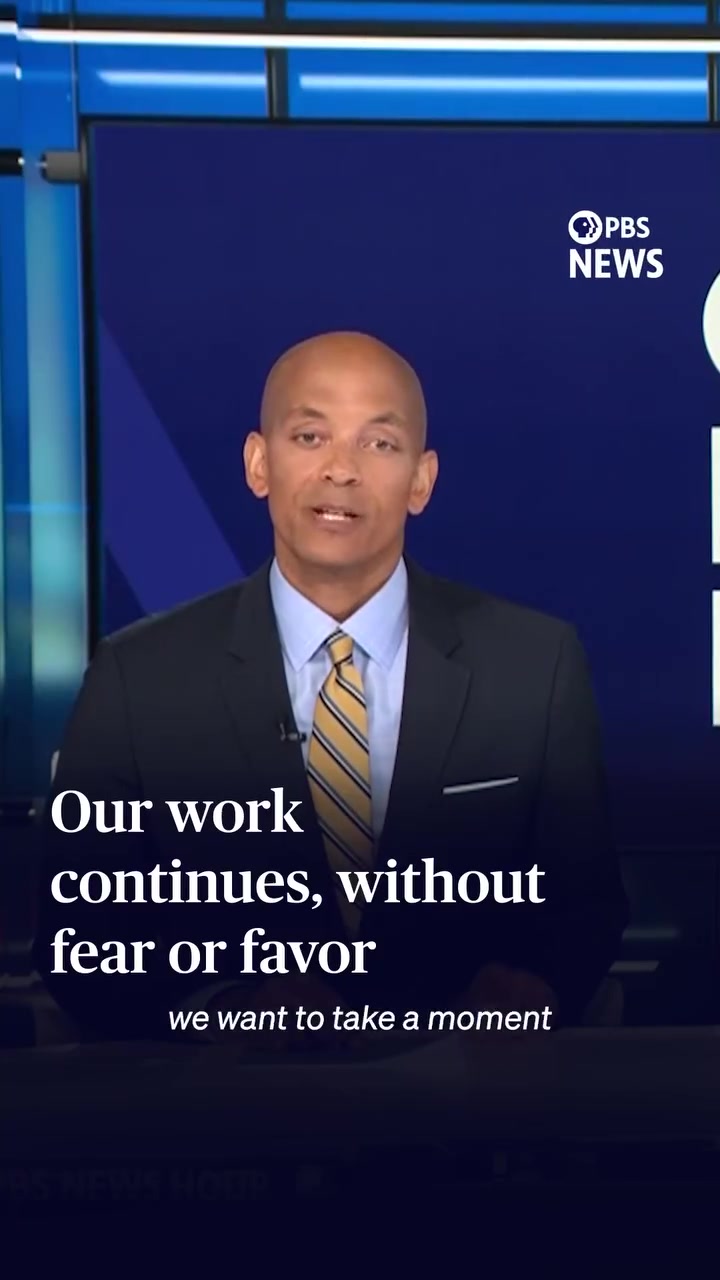
PBS NewsHour’s recent broadcast delivered sobering news: Congress approved a request to end federal funding for the Public Broadcasting Service (PBS) and National Public Radio (NPR). This decision marks an unsettling shift in public broadcasting, where federal grants have long served as a financial backbone, safeguarding journalistic integrity. PBS NewsHour, in delivering this news, emphasized the public's role.
A History of Even-Handed Public Journalism
Public broadcasting has long distinguished itself through a commitment to disseminating unbiased information. PBS and NPR, two major public broadcasting entities, have dedicated decades to providing in-depth news coverage and educational programming without the constraints of commercial interests. Public funding ensures that this mission can be maintained, as private funding or advertising could compromise editorial independence and the types and quantity of content. To operate without fear or favor means to seek the public interest without bias. These networks provide space for discussions and content that isn’t catering to public incitement, ratings, or commercial agenda. By avoiding viewer segmentation that drives private news outlets, PBS NewsHour and NPR facilitate conversations on a range of topics with equal time reserved to rebuttals. With no commercial dependence, PBS and NPR can delve into topics that would be deemed too controversial, too risky, or too niche for commercial or privately funded enterprises. From rural America to foreign policy, from arts to science, public broadcasting covers more topics without fearing those that may not appeal to a paying audience or sponsor. As PBS NewsHour's closing statement reveals, “But your voices, your advocacy, and your unwavering support remind us why this work matters. There are undoubtedly challenges ahead for the entire PBS system, including our family of member stations across the nation, most critically those who serve smaller and more rural communities,” Public broadcasting, particularly in an era of partisan politics, can face backlash, but its role has never been more significant, reaching over 100 million viewers and listeners annually. It reaches smaller communities that would otherwise lack access to diverse content.
Public Broadcasting’s Dangerous Moment
This latest decision by Congress disrupts the funding model for public broadcasting. Despite the public's widespread consumption of news, the constant resource and revenue crisis remains paramount for public broadcasting. “It's an unsettling moment for all who believe in the mission of trusted, independent journalism,” emphasizes the broadcast. A system reliant on federal funding faces a unique challenge. Politicians are far from immune to criticism from public broadcasting; their influence over budgets and grants could jeopardize the integrity of public broadcasting. The risk of a push to political pressure for funding, and the inherent conflict of interest, may lead to a bias that public broadcasting strives to avoid. PBS NewsHour executive editor Amna Nawaz, “Congress last week approved President Trump's request to rescind all federal funding for PBS and NPR,” further emphasizes the pressure that public broadcasters are facing.
PBS NewsHour in the Broadcast Arms Race
The Daily ‘PBS NewsHour’
PBS NewsHour is a staple in the daily news lineup, offering a summary of the day's top news alongside in-depth, long-form analysis. Unlike commercial news channels, the anchor team avoids sensationalist conflicts. Instead, they focus on topics from American politics to the COVID-19 pandemic. The format, lasting an hour, decouples from commercial news constraints, allowing for a more curated sequence of stories not segmented by ad breaks. Presenter Amna Nawaz and reporter Jeff Bennett, both senior staffers, provide a consistent anchor voice for viewers, assuring a signature consistency in approach. Besides the well-established daily show, PBS NewsHour also delivers specials offering the most current information on ongoing crises like Ukraine and the expo of healthcare crises. This distinction is a result of federal funding grants.
The Audience Factor
The audience is more vocal and critically involved when it comes to public broadcasting. By engaging in discussions on forums and writing messages to the anchor team and journalists, the audience adds that extra layer of feedback and engagement. The absence of commercial interests implies the audience is more willing to engage, providing insightful feedback. The audience, viewers and listeners alike, who engage with public broadcasting, rely on it for a stable source of information. For many, it is more than a trusted news source, but a consistent outlet for news and entertainment. The majority, if funding is secured, will engage with PBS and NPR to keep the mission, which is informing the public, alive.
Rural Communities and The Mission as it Stands
PBS NewsHour and NPR broadcast through PBS member stations in smaller communities across the U.S. Historically, these stations have been funded with public grants. Rural communities, less likely to have access to major network affiliates, rely heavily on PBS NewsHour, with it being the only source for credible national and international news. These stations' ability to reach audiences that would otherwise remain uninformed is a testament to the importance of public funding. This funding ensures continued service to viewers in rural areas, an important demographic for continued intellectual and civic participation.
How to Voice Your Support
The PBC's commitment to public interest journalism hinges upon the public's support.
- Write Mail: Write letters to Congress to voice your support for public broadcasting.
- Make a call: Call your local representatives to urge them to restore public broadcasting funding.
- Volunteer: Offer to volunteer with PBS or NPR.
- Share: Engage on social media with their posts.
- Donate: Donate, in whatever amount, to PBS stations.
Questions readers ask
What does the end of federal funding mean for PBS and NPR?
The end of federal funding means PBS and NPR will need to find alternative sources of revenue to maintain their operations. This could potentially change the way they operate, as they may need to seek out private funding or sponsorships, which could compromise their editorial independence. The PBS NewsHour broadcast emphasized that the future of public broadcasting now depends heavily on public support and advocacy.
What makes public broadcasting like PBS and NPR different from commercial news outlets?
The main difference is funding, PBS and NPR aren't dependent on commercial interests or advertising revenue. Public Broadcasting can cover a wider range of topics without fearing those that may not appeal to a paying audience or sponsor. This independence allows them to provide in-depth news coverage and educational programming. This also means they can cover controversial, risky, or niche topics that commercial outlets might avoid.
What is the role of the public in supporting PBS and NPR after the federal funding cut?
The public now plays a crucial role in supporting PBS and NPR. With the loss of federal funding, public broadcasting will rely heavily on viewer and listener support, donations, and advocacy. PBS NewsHour emphasized that public voices and advocacy are essential in reminding the networks why their work matters, especially for smaller and more rural communities.
How does the end of federal funding impact smaller and more rural communities?
The impact on smaller and more rural communities could be significant. These communities often rely on PBS and NPR for access to diverse content and educational programming. Without federal funding, these stations may struggle to maintain their services, potentially leading to a loss of access to trusted, independent journalism for those who need it most.
How might the loss of federal funding affect the content and programming on PBS and NPR?
The loss of federal funding could potentially lead to changes in content and programming. Without a steady source of revenue, PBS and NPR might need to seek out private funding or sponsorships, which could influence the types of content they produce. This could compromise their editorial independence and the range of topics they cover, as they might need to cater to the interests of their new funders.
What are some potential challenges for PBS and NPR in the face of this funding cut?
With the loss of federal funding, PBS and NPR will face significant financial challenges. This could potentially lead to a loss of programming, reduced staff, and a shift in content to cater to private funders. The risk of political pressure for funding could also lead to a bias that public broadcasting strives to avoid, potentially compromising their journalistic integrity.
What can viewers and listeners do to support PBS and NPR during this time?
Viewers and listeners can show their support by becoming members, donating, and advocating for public broadcasting. They can also engage with the content, provide feedback, and encourage others to do the same. Public support and advocacy are crucial in helping PBS and NPR navigate this challenging time and continue their mission of providing trusted, independent journalism.
Related deep dives
Similar reads based on topic and creator.



Recent articles
Fresh deep dives from the latest Reels we unpacked.



Comments
Be the first to comment.