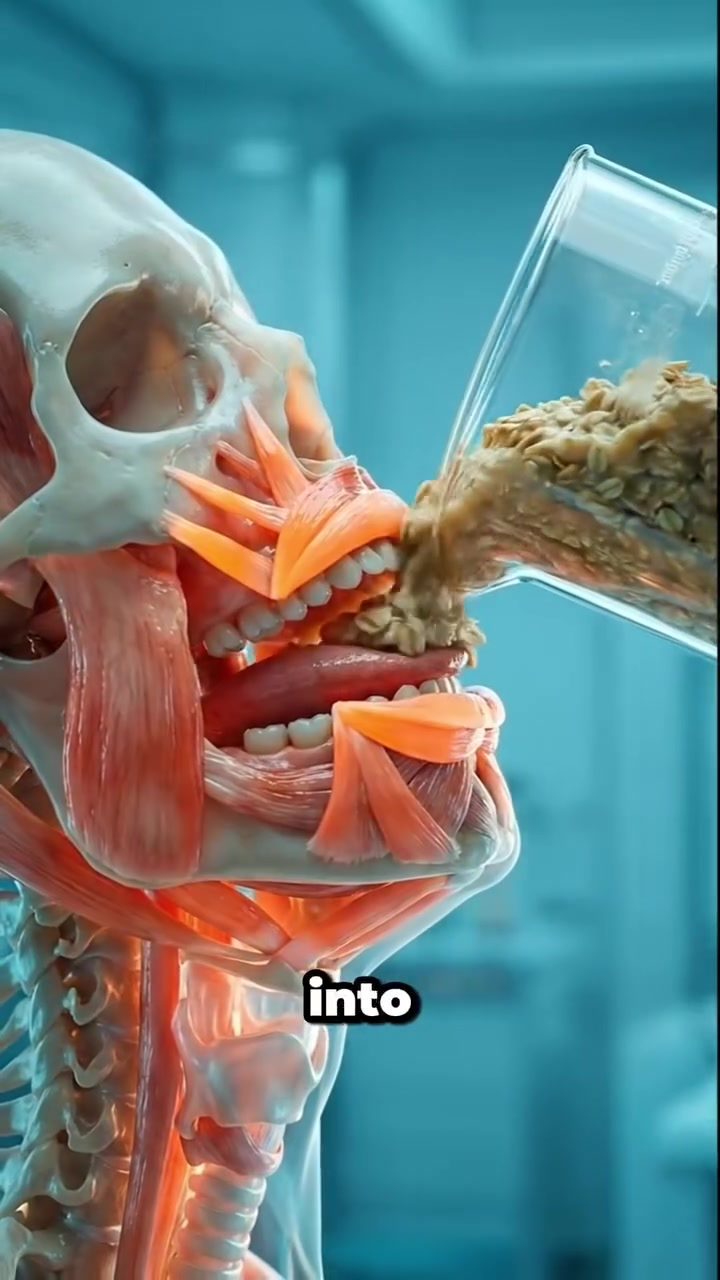
Human Digestive System Visualization
Understanding what happens to the food you eat is a fascinating journey through the human digestive system. This process begins the moment you take a bite and continues until the nutrients are absorbed and waste is eliminated. Let's explore the key stages of digestion, focusing on how oats move through the body.
Why This Matters
The digestive process is crucial for breaking down food into nutrients that the body can use for energy, growth, and repair. By understanding how different foods, like oats, interact with the digestive system, you can make more informed choices about your diet and overall health.
The Digestive Journey of Oats
From the Mouth to the Esophagus
The digestive process begins in the mouth. When you pour oats into your mouth, the first stage of digestion starts immediately. The oats are moistened by saliva, which contains enzymes that begin breaking down the food. This process, known as pre-digestion, makes the oats softer and easier to swallow. The saliva also helps to form a bolus, a soft mass of chewed food, which is then pushed down the esophagus by muscular contractions.
As the oats move steadily down the esophagus, the muscles gently propel them toward the stomach. This smooth movement ensures that the food does not get stuck or cause discomfort.
Entering the Stomach
Upon reaching the stomach, the oats spread evenly, thanks to the gentle contractions of the stomach muscles. Unlike some foods that might hit the stomach wall hard and cause discomfort, oats spread out smoothly. This even distribution helps to protect the stomach lining, keeping it calm and stable.
One of the key benefits of oats is their high fiber content. As the oats absorb fluid in the stomach, they slowly swell. This swelling helps to thicken the stomach contents, making them more stable. The fiber in oats also plays a crucial role in stabilizing blood sugar levels, which is beneficial for maintaining energy levels throughout the day.
The Role of Stomach Acid and Enzymes
In the stomach, acid and enzymes work together to break down the food further. This controlled process ensures that digestion proceeds smoothly without causing irritation or stress to the stomach. The swollen fiber from the oats helps to prolong the digestion process, making you feel full and balanced for a longer time. This extended feeling of fullness can be particularly helpful for those looking to manage their weight or maintain steady energy levels.
The stomach's lining remains calm and protected during this process, thanks to the gentle nature of the oats. The fiber in oats acts as a natural buffer, preventing the stomach acid from causing discomfort or irritation.
Practical Tips for Optimal Digestion
To maximize the benefits of oats and support a healthy digestive system, consider the following tips:
Incorporate Oats into Your Diet
Oats are a versatile food that can be incorporated into various meals. Whether you enjoy them as oatmeal for breakfast, add them to smoothies, or use them in baking, oats can be a valuable addition to your diet. Their high fiber content helps promote regular bowel movements and supports a healthy gut microbiome.
Stay Hydrated
Drinking enough water is essential for proper digestion. Water helps to soften the food in the stomach, making it easier to break down and absorb. Aim for at least eight glasses of water a day to support optimal digestion and overall health.
Chew Thoroughly
Chewing your food thoroughly is the first step in the digestive process. It helps to break down the food into smaller particles, making it easier for the body to absorb nutrients. Taking the time to chew your food well can also help prevent digestive discomfort and promote better nutrient absorption.
Choose Wholesome Foods
Opt for whole, unprocessed foods whenever possible. These foods are rich in fiber, vitamins, and minerals, which support a healthy digestive system. By choosing wholesome foods, you can ensure that your body receives the nutrients it needs to function optimally.
Important Takeaways
The journey of oats through the digestive system is a testament to the body's remarkable ability to break down and absorb nutrients efficiently. From the initial moistening in the mouth to the gentle movements through the esophagus and the controlled digestion in the stomach, every step plays a crucial role in maintaining overall health. By understanding this process, you can make informed choices about your diet and support a healthy digestive system.
Conclusion
The digestive process is a complex and fascinating journey that begins the moment you take a bite. By understanding how oats move through the body, you can gain insights into the importance of a balanced diet and the role of fiber in maintaining digestive health. Incorporating oats into your diet, staying hydrated, and chewing thoroughly are simple yet effective ways to support a healthy digestive system.
Questions readers ask
How do oats break down in the mouth and esophagus?
In the mouth, oats are mechanically broken down by chewing and mixed with saliva, which initiates the chemical breakdown due to enzymes like amylase. The resulting bolus then passes through the esophagus via peristalsis, moving towards the stomach without significant further breakdown.
What role does fiber in oats play during digestion?
The high fiber content in oats is crucial for promoting better digestion. Fiber adds bulk to the stool, aiding in regular bowel movements and preventing issues like constipation. It also supports a healthy gut microbiome, which is vital for overall digestive health.
How long does it take for oats to be fully digested?
The digestion time for oats can vary, but it generally takes several hours for the body to break down oats completely. This process begins in the mouth and esophagus, continues in the stomach where the food is mixed with digestive juices, and is finally digested and absorbed in the small intestine.
How do oats interact with the stomach during digestion?
In the stomach, oats are mixed with gastric juices that contain hydrochloric acid and enzymes. These break down the carbohydrates in oats, preparing them for further digestion. The fiber in oats helps slow down the digestion process, promoting a feeling of fullness and aiding in stable blood sugar levels.
What are the digestive benefits of consuming oats?
Oats offer several digestive benefits due to their high fiber content. They help maintain regular bowel movements, support a healthy gut microbiome, and promote feelings of fullness, which can aid in weight management. Additionally, the soluble fiber in oats can help lower cholesterol levels, contributing to heart health.
Why is understanding the journey of oats through the digestive system important?
Understanding how oats move through the digestive system helps in making informed dietary choices. Knowing that oats promote better digestion and overall digestive health can encourage their inclusion in a balanced diet, contributing to better nutrient absorption and a healthier lifestyle.
What are the key stages of digestion for oats?
The key stages of digestion for oats include initial breakdown in the mouth, passage through the esophagus, mixing with gastric juices in the stomach, further breakdown and nutrient absorption in the small intestine, and finally, the passage of undigested material into the large intestine where water is absorbed and waste is eliminated.
Related deep dives
Similar reads based on topic and creator.

Recent articles
Fresh deep dives from the latest Reels we unpacked.




Comments
Be the first to comment.