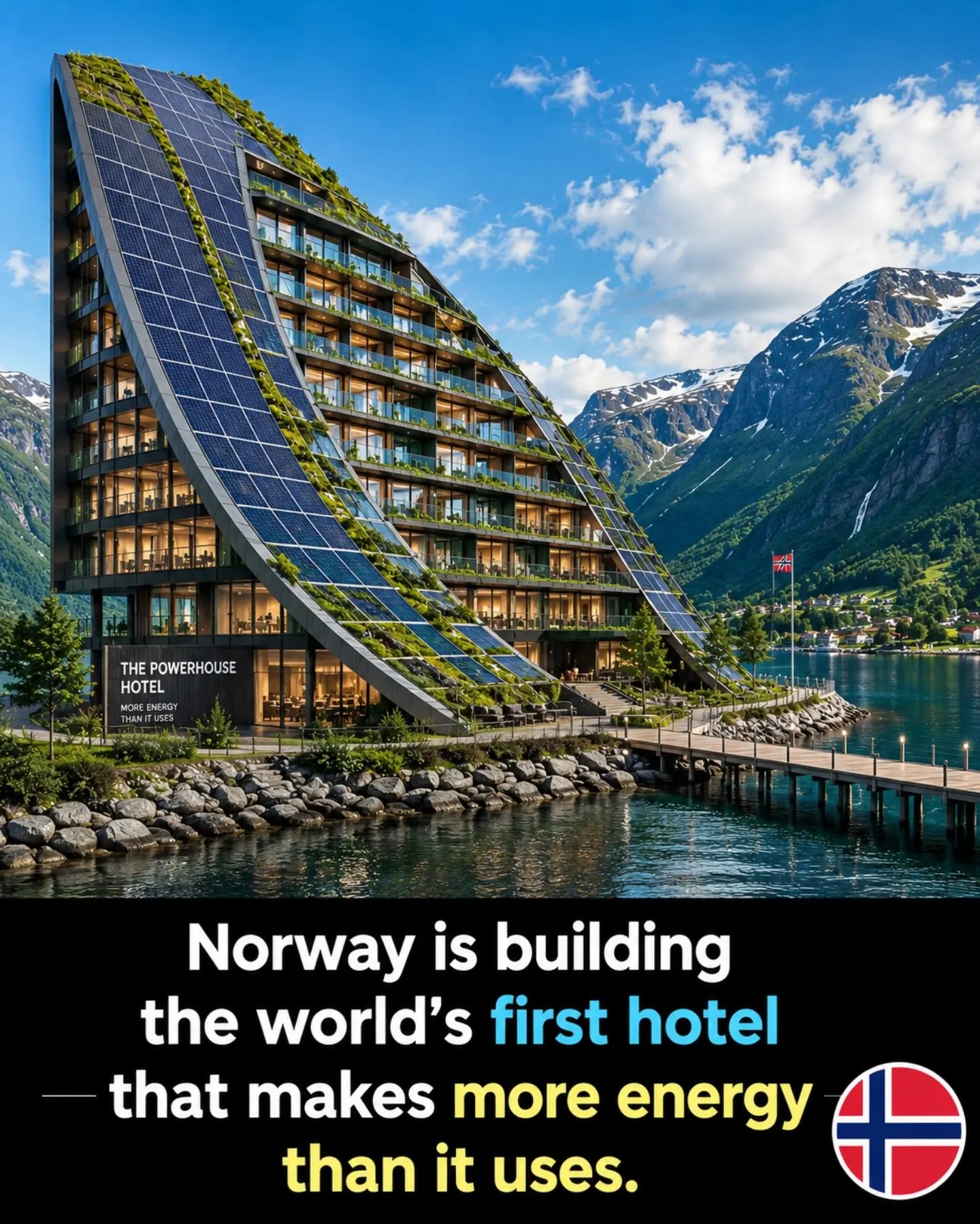
Sustainable Hotel Construction
The Powerhouse Hotel, nestled in a scenic Norwegian landscape, is a beacon of sustainable architecture. This innovative hotel is designed to produce more energy than it consumes, making it a pioneering project in the realm of eco-friendly construction. This is a true example of how sustainable design can be integrated into large-scale projects, demonstrating the potential for a more energy-efficient future.
Context / Why This Matters
Sustainable construction is becoming increasingly important as the world seeks to reduce its carbon footprint and mitigate climate change. The hospitality industry, in particular, has a significant impact on the environment due to its high energy and water consumption. Projects like The Powerhouse Hotel show that it is possible to build hotels that not only minimize their environmental impact but also contribute positively to the ecosystem.
Main Discussion
The Powerhouse Hotel: A Pioneering Project
The Powerhouse Hotel is a testament to the possibilities of sustainable architecture. Located in Norway, this hotel is designed to be more than just an accommodation; it is an energy producer. The hotel's futuristic design features green facades and integrated solar panels, which allow it to generate more energy than it consumes. This innovative approach to construction is a step forward in creating sustainable and energy-efficient buildings.
The Role of Solar Panels
Solar panels play a crucial role in the design of The Powerhouse Hotel. Integrated seamlessly into the building's structure, these panels harness the power of the sun to generate electricity. This not only reduces the hotel's reliance on traditional energy sources but also minimizes its carbon footprint. The use of solar energy is a key component in achieving the hotel's goal of producing more energy than it uses.
Green Facades and Energy Efficiency
The green facades of The Powerhouse Hotel serve multiple purposes. They not only enhance the building's aesthetic appeal but also contribute to its energy efficiency. The façades help to insulate the building, reducing the need for heating and cooling. Additionally, the greenery can help to absorb carbon dioxide, further reducing the hotel's environmental impact. This combination of solar energy and green facades makes The Powerhouse Hotel a model for sustainable construction.
Integrating Sustainable Design
The Powerhouse Hotel demonstrates how sustainable design can be integrated into large-scale projects. By incorporating solar panels and green facades, the hotel not only reduces its energy consumption but also generates excess energy. This innovative approach to construction shows that it is possible to build hotels that are both sustainable and profitable. The hotel's design serves as a blueprint for future sustainable construction projects, highlighting the potential for a more energy-efficient future.
Norway's Commitment to Sustainability
Norway's commitment to sustainability is evident in the construction of The Powerhouse Hotel. The country is known for its efforts to reduce its carbon footprint and promote renewable energy. The Powerhouse Hotel is a tangible example of Norway's dedication to sustainable development, showcasing the country's leadership in eco-friendly construction. The hotel's design and energy-efficiency features reflect Norway's broader goals of creating a more sustainable future.
Practical Tips
When considering sustainable construction, there are several practical tips to keep in mind:
Utilize Renewable Energy Sources
Incorporating renewable energy sources, such as solar and wind power, can significantly reduce a building's energy consumption. By harnessing the power of the sun, buildings can generate their own electricity, minimizing their reliance on traditional energy sources.
Implement Energy-Efficient Design
Energy-efficient design can help to reduce a building's energy consumption. Features such as green facades and insulation can improve a building's energy efficiency, reducing the need for heating and cooling. Additionally, incorporating energy-efficient appliances and lighting can further reduce a building's energy use.
Focus on Sustainable Materials
Using sustainable materials in construction can help to minimize a building's environmental impact. Materials such as recycled steel, bamboo, and reclaimed wood can be used to reduce waste and promote sustainability. Additionally, choosing materials that are locally sourced can help to reduce transportation-related emissions.
Incorporate Green Spaces
Incorporating green spaces into a building's design can enhance its sustainability. Green roofs, vertical gardens, and other green spaces can help to absorb carbon dioxide, improve air quality, and provide habitats for wildlife. Additionally, green spaces can improve a building's energy efficiency by providing insulation and shading.
Important Takeaways
The Powerhouse Hotel is a pioneering project that demonstrates the potential for sustainable construction. By incorporating solar panels, green facades, and energy-efficient design, the hotel produces more energy than it consumes. This innovative approach to construction serves as a model for future sustainable development, showcasing the potential for a more energy-efficient future. The hotel's design and energy-efficiency features reflect Norway's commitment to sustainability, highlighting the country's leadership in eco-friendly construction.
Conclusion
Sustainable hotel construction is a crucial step towards a more energy-efficient future. The Powerhouse Hotel, with its innovative design and energy-efficiency features, serves as a model for sustainable construction. By incorporating solar panels, green facades, and energy-efficient design, this hotel not only reduces its environmental impact but also generates excess energy. The success of The Powerhouse Hotel demonstrates the potential for sustainable construction in the hospitality industry, paving the way for a more environmentally friendly future.
Questions readers ask
What makes the Powerhouse Hotel in Norway unique in terms of sustainable construction?
The Powerhouse Hotel stands out due to its innovative design that allows it to produce more energy than it consumes. This energy-positive construction is a rare achievement in large-scale buildings, making it a notable example of sustainable architecture in Norway.
How does the Powerhouse Hotel contribute to reducing the carbon footprint of the hospitality industry?
By generating more energy than it uses, the Powerhouse Hotel sets a benchmark for reducing the hospitality industry's carbon emissions. This is particularly impactful considering the industry's high energy and water consumption.
What are some key features of the Powerhouse Hotel's energy-efficient design?
The Powerhouse Hotel incorporates various green technologies to achieve its energy-positive status. These include advanced insulation, renewable energy sources like solar panels, and efficient heating and cooling systems that minimize energy loss.
Are there other hotels in Norway designed with similar sustainable principles?
While the Powerhouse Hotel is one of the most prominent, there are other eco-friendly hotels in Norway that follow similar sustainable principles. These hotels aim to reduce their environmental impact through energy-efficient designs and renewable energy use.
How does the Powerhouse Hotel benefit from its location in Norway?
The hotel's location in Norway allows it to leverage the country's natural resources and commitment to sustainability. Norway's abundant renewable energy sources and supportive environmental policies contribute to the hotel's success in achieving energy-positive status.
What is the Powerhouse concept, and how is it applied to hotels?
The Powerhouse concept involves designing buildings to produce more energy than they consume over their entire lifecycle, from construction to operation. In hotels, this concept is applied through the use of sustainable materials, energy-efficient technologies, and renewable energy sources.
Can the sustainable design principles used in the Powerhouse Hotel be replicated in other buildings?
Yes, the principles used in the Powerhouse Hotel can be adapted for other buildings. While each project has unique challenges, the energy-efficient design and renewable energy strategies employed in the hotel can serve as a blueprint for other construction projects.
Related deep dives
Similar reads based on topic and creator.



Recent articles
Fresh deep dives from the latest Reels we unpacked.



Comments
Be the first to comment.