Norway's World Cup Food Scandal
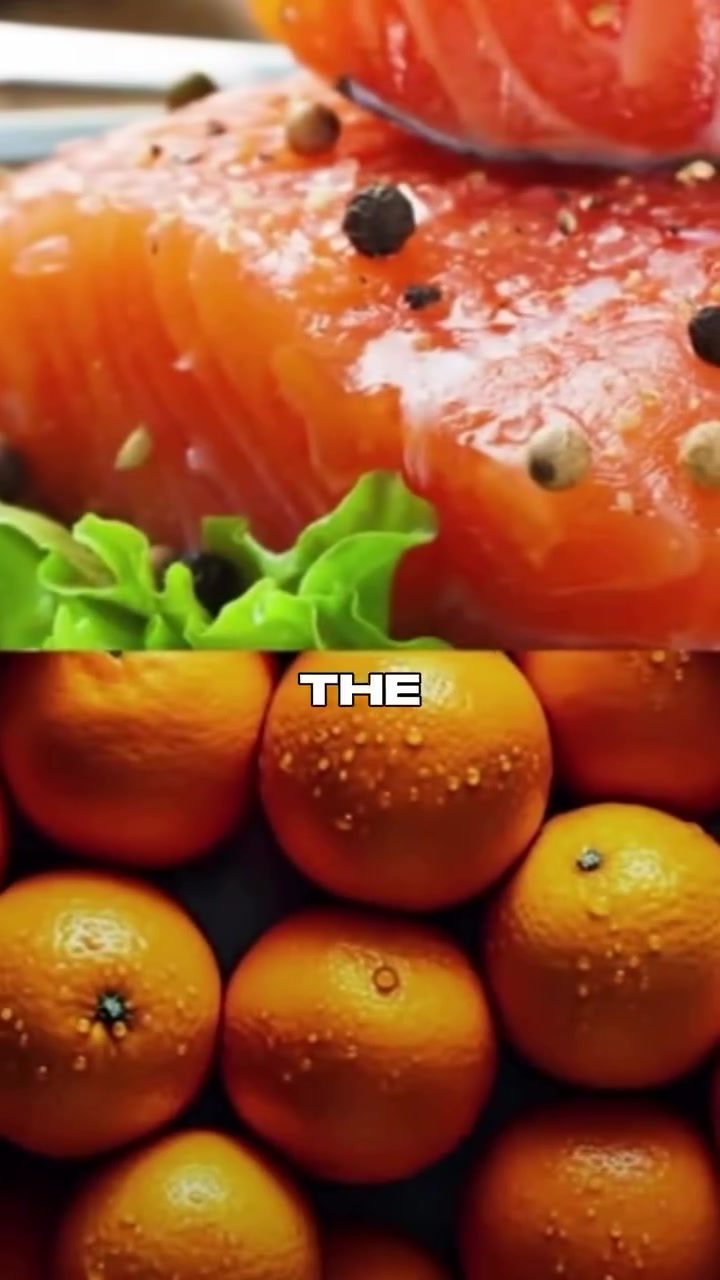
Norway's World Cup team made headlines by shipping in 1,000 kilograms of their own food to the tournament in the United States. This unprecedented move shed light on significant differences in food safety standards, nutrition, and health outcomes between the two countries.
Why This Matters
The decision of Norway’s World Cup team to import their own food, which included specific items like fish, brown cheese, and 6,000 oranges, underscores the health and safety concerns associated with U.S. groceries. This highlights the critical role of food safety and nutrition in maintaining the performance and well-being of elite athletes, as well as the broader implications for public health.
The Food Safety Gap
US Food Processing Practices
The concern over U.S. groceries is not unfounded. American oranges, for instance, often undergo extensive processing. Practically every U.S. orange begins as a green clone, which is then treated with citrus red no. 2, a petroleum-based dye classified as a human carcinogen. These oranges are dipped in ammonia baths, sprayed with morpholine (a wax binder banned in 31 nations), and gassed with ethylene to enhance their shelf life. This level of processing raises serious questions about the safety and nutritional value of U.S. produce.
Norway's Stance on GMOs
The Norwegian stance on genetically modified organisms (GMOs) further illustrates the differences in food safety standards. While most U.S. processed foods use GMO seeds, Norway has strict regulations against them. This is partly due to concerns about the long-term health effects of GMOs and the potential environmental impacts. The Norwegian approach ensures that athletes have access to the best nutrients without the potential risks associated with GMOs.
Health Outcomes
The differences in food safety standards translate directly to health outcomes. Norway’s obesity rate is significantly lower, at 16 to 19%, compared to the USA’s, which is nearly double that. This gap in obesity rates can be attributed to the stricter food regulations and higher nutritional standards in Norway. The focus on fresh, non-processed foods and the avoidance of GMOs contribute to better overall health and lower obesity rates. Athletes, who require peak physical condition, benefit greatly from these higher standards.
Practical Tips
For Athletes
Athletes, whether competing internationally or locally, can benefit from adopting some of the practices and standards followed by Norway’s team. Here are some practical tips:
- Source Fresh Ingredients: Opt for fresh, non-processed foods whenever possible. This ensures a higher nutritional value and reduces exposure to potentially harmful additives.
- Avoid Processed Foods: Minimize the intake of processed foods, especially those that contain GMOs. These foods are often high in sugars, unhealthy fats, and preservatives, which can negatively impact performance.
- Avoid Petroleum-Dyed Fruits: Be cautious of fruits that are artificially dyed. Natural ripening processes are generally healthier and more nutritious.
- Focus on Nutrition: Prioritize nutrient-rich foods that support the body’s needs for intense physical activity. This includes a balanced diet with lean proteins, complex carbohydrates, and plenty of fruits and vegetables.
- Stay Informed: Stay updated on food safety standards and regulations in different countries, especially when traveling for competitions. Knowing the standards can help athletes make informed decisions about what to eat.
For General Public
The public can also adopt some of these practices to improve overall health and well-being:
- Read Labels: Pay attention to food labels and avoid products that contain GMOs, artificial dyes, and excessive preservatives.
- Cook at Home: Preparing meals at home allows for better control over ingredients and reduces the intake of processed foods.
- Choose Fresh Produce: Opt for fresh fruits and vegetables over pre-packaged or processed options. This ensures higher nutritional value and fewer additives.
- Understand Food Processing: Be aware of the food processing methods used in different countries. This knowledge can help in making more informed dietary choices.
Important Takeaways
The decision by Norway’s World Cup team to bring their own food to the United States highlights significant differences in food safety and nutritional standards. These differences not only affect athlete performance but also have broader implications for public health. By focusing on fresh, non-processed foods and avoiding GMOs, Norway ensures that its athletes are performing at their peak while also promoting overall health and well-being.
Conclusion
The choice to import 1,000 kilograms of food for the World Cup was not just a logistical decision but a statement about the importance of food safety and nutrition. As the world continues to grapple with health issues related to poor diet and food safety, Norway’s approach offers valuable lessons. By prioritizing fresh, non-processed foods and strict regulations against GMOs, Norway sets a high standard for food safety and health outcomes, which can serve as a model for athletes and the general public alike.
Questions readers ask
Why did the Norwegian World Cup team import their own food to the United States?
The Norwegian team brought 1,000 kilograms of their own food to ensure they had access to items they trust and that meet their specific dietary needs. This included items like fish, brown cheese, and oranges, which are not the same in the U.S. and may have different nutritional profiles.
What are the key differences in food safety standards between the U.S. and Norway?
The controversy highlights that Norway has stricter regulations on food processing and production, which can lead to differences in food safety and nutritional content. The Norwegian team's decision reflects a lack of confidence in the safety and quality of U.S. produce.
What specific foods did the Norwegian team import?
The team imported a variety of foods, including 6,000 oranges and 1,000 kilograms of other items such as fish and brown cheese. These foods are part of their regular diet and are believed to be safer and more nutritious than their U.S. counterparts.
How does food safety impact athletes' performance?
For elite athletes, having access to food that meets their dietary expectations and nutritional requirements is essential for maintaining optimal performance and health. The Norwegian team’s decision underscores the importance of food safety and nutrition in sports.
What are the food import restrictions in the U.S.?
The U.S. has regulations in place for importing food, focusing on preventing the spread of diseases and pests. However, the Norwegian team's import of 1,000 kilograms of food was granted special permission, recognizing the unique circumstances of their situation.
What does this controversy reveal about public health considerations in the United States?
This incident brings to light the broader implications for public health, suggesting that there may be significant differences in the nutritional value and safety of food in the U.S. compared to Norway. It raises questions about the overall health outcomes related to food safety standards in both countries.
What are the dietary needs of elite athletes like those on the Norwegian World Cup team?
Elite athletes have specific dietary needs to maintain their performance and well-being. This includes foods that are nutritious and safe, which can vary significantly between countries. The Norwegian team’s decision to import their own food reflects these specific dietary requirements.
Related deep dives
Similar reads based on topic and creator.




Recent articles
Fresh deep dives from the latest Reels we unpacked.




Comments
Be the first to comment.