The Phantom Twist: Northwestern’s Low-Visibility Drone Design
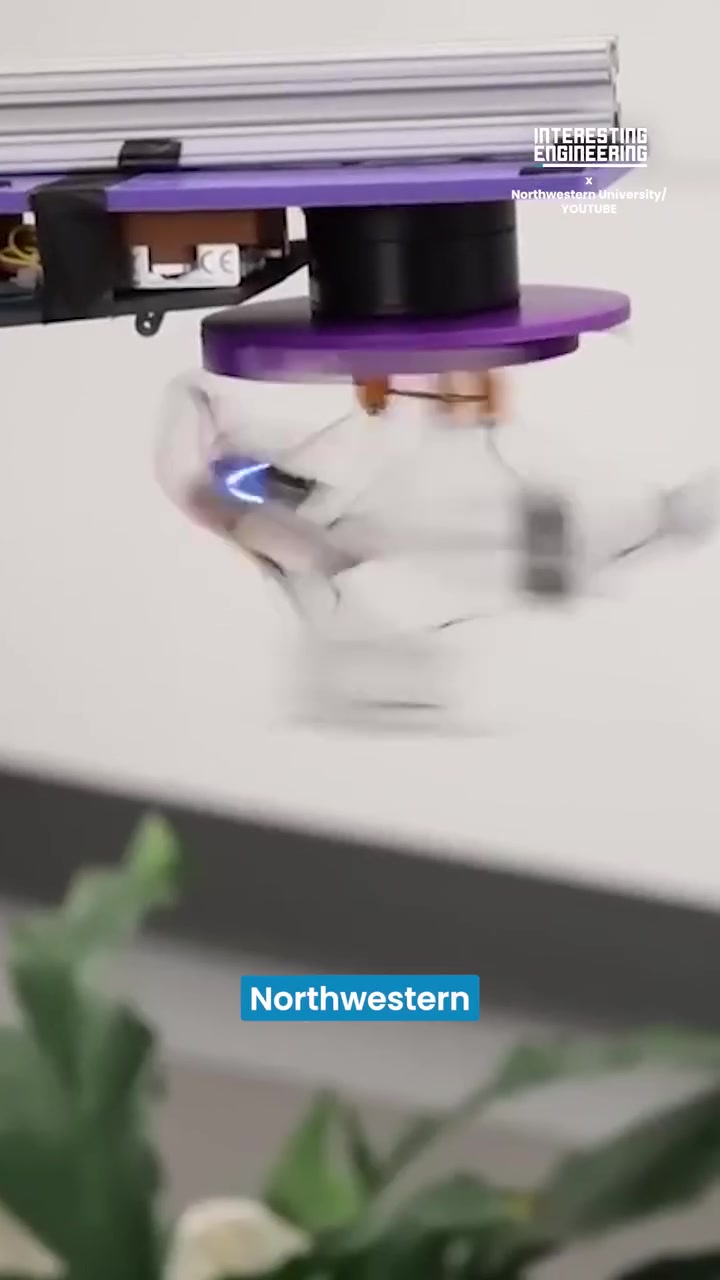
The Northwestern University engineers have developed an innovative drone named the Phantom Twist. The drone leverages motion blur to be less visible during flight and can rotate up to 25 times per second. This feature makes the drone harder to spot. An AI optimized its design to become 10 times less visually noticeable than conventional quadcopters, a boon for low-disruption aerial operations.
Twisting Toward Invisibility
To understand the Phantom Twist, imagine a drone that doesn’t just fly — it spins. Engineers at Northwestern University have developed this new drone model with a bio-inspired leg-like design. This isn’t your typical quadcopter; it’s a drone designed to disappear or at least be much harder to see in flight. The Phantom Twist uses motion blur as a defense mechanisms. The unique spinning mechanism rotates up to 25 times per second, blending into motion where conventional drones would be easily identifiable. The result: The Phantom Twist appears as a faint blur rather than a recognisable aircraft.
The Rise of the Low-Visibility Drone
The Phantom Twist operates at the cutting edge of drone technology. The need for low-visibility drones is driven by real-world demands for surveillance, environmental monitoring, and even package delivery. This drone is designed for stealthy operation. “AI optimized its design, making it around 10 times less visually noticeable than conventional quadcopters,” as stated in the narration. This means that the Phantom Twist isn’t just a gimmick — its design is purposeful and optimized for stealth. It’s particularly useful for low-disruption aerial operations, suggesting potential applications in military, law enforcement, and environmental monitoring
AI’s Role in the Phantom Twist
This drone might spin like a helicopter, but its design is anything but ordinary. It utilizes AI optimization for its aerial maneuvers. The AI's role can't be understated — it’s what makes the Phantom Twist so effective at blending into its surroundings. The AI optimizes the drone's design to reduce its visibility by a factor of ten, making it far less noticeable than traditional drones. That’s a significant leap forward in drone technology. For comparison, conventional drones don’t have this level of stealth built-in. They’re designed for a balance of speed, stability, and maneuverability, not for disappearing into the background.
Bio-Inspired Engineering
The Phantom Twist mimics the movement of insects to evade detection, according to the video. Adopting a bio-inspired leg-like design allowed the drone to navigate small indoor spaces. This mimics the agility and maneuverability of insects. These design elements aren’t just for show; they’re functional. The insects' leg-like structure inspired the Phantom Twist. The drone navigates smaller, more confined spaces with ease, blending into the background and disappearing from view. The innovative design makes it a more effective tool for missions requiring stealth and agility.
Choosing Your Next Drone for Low-Visibility Missions
The Phantom Twist isn’t just for enthusiasts but could be a valuable tool for real-world applications, such as surveillance and environmental monitoring. Its stealth capabilities and agility make it ideal for navigating small spaces without drawing attention.
- If your mission requires stealth: The Phantom Twist is a game changer. Its ability to blend into the background makes it an ideal choice for missions where detection is a risk.
- For indoor navigation: The drone's bio-inspired leg-like design makes it perfect for navigating small, confined spaces.
- If you need durable, reliable flight: The Phantom Twist is designed for low-disruption operations, meaning it’s built to last and perform under challenging conditions. The Phantom Twist isn’t just a drone; it’s a statement on the future of aerial technology. Its innovative design and AI optimization make it a formidable tool for any mission requiring stealth and agility.
Questions readers ask
How exactly does the Phantom Twist use motion blur to become less visible?
The Phantom Twist achieves reduced visibility through its high-speed spinning mechanism, rotating up to 25 times per second. This rapid motion creates a blur effect, making the drone less recognizable and more difficult to spot in flight.
What makes the Phantom Twist's design so effective for stealth operations?
The drone's design is optimized by AI to be around 10 times less visually noticeable than typical quadcopters. This, combined with its bio-inspired leg-like structure and spinning mechanism, allows it to blend into its surroundings and navigate small spaces effectively, making it ideal for low-visibility missions.
Can the Phantom Twist be used for both indoor and outdoor operations?
Yes, the Phantom Twist's bio-inspired leg-like design allows it to navigate small indoor spaces with ease, mimicking the agility of insects. This makes it versatile for both indoor and outdoor operations, especially those requiring stealth and maneuverability. However, the article does not specify any limitations or differences in performance between indoor and outdoor use.
How does the Phantom Twist compare to traditional drones in terms of visibility?
Traditional drones are designed for speed, stability, and maneuverability but lack the stealth features of the Phantom Twist. The Phantom Twist, optimized by AI, is specifically designed to be much less visible, making it around 10 times less noticeable than conventional quadcopters.
What are the potential applications of the Phantom Twist?
The Phantom Twist has a wide range of potential applications, including surveillance, environmental monitoring, and package delivery. Its stealthy operation makes it particularly useful for military, law enforcement, and environmental monitoring missions where low-disruption aerial operations are crucial.
Is the Phantom Twist currently available for purchase or use?
The article does not provide specific information on the availability of the Phantom Twist for purchase or use. It is a research development from Northwestern University, so it may not yet be commercially available. For the latest information, it would be best to check with Northwestern University or follow updates from the research team.
How does the AI optimize the Phantom Twist's design for stealth?
The AI optimizes the Phantom Twist's design by reducing its visibility by a factor of ten compared to traditional drones. This involves fine-tuning the drone's spinning mechanism and overall structure to minimize its detectability, making it blend more effectively into its surroundings.
Related deep dives
Similar reads based on topic and creator.

Recent articles
Fresh deep dives from the latest Reels we unpacked.


Comments
Be the first to comment.