The North Nanjing Train Station: Architectural Design and Controversy
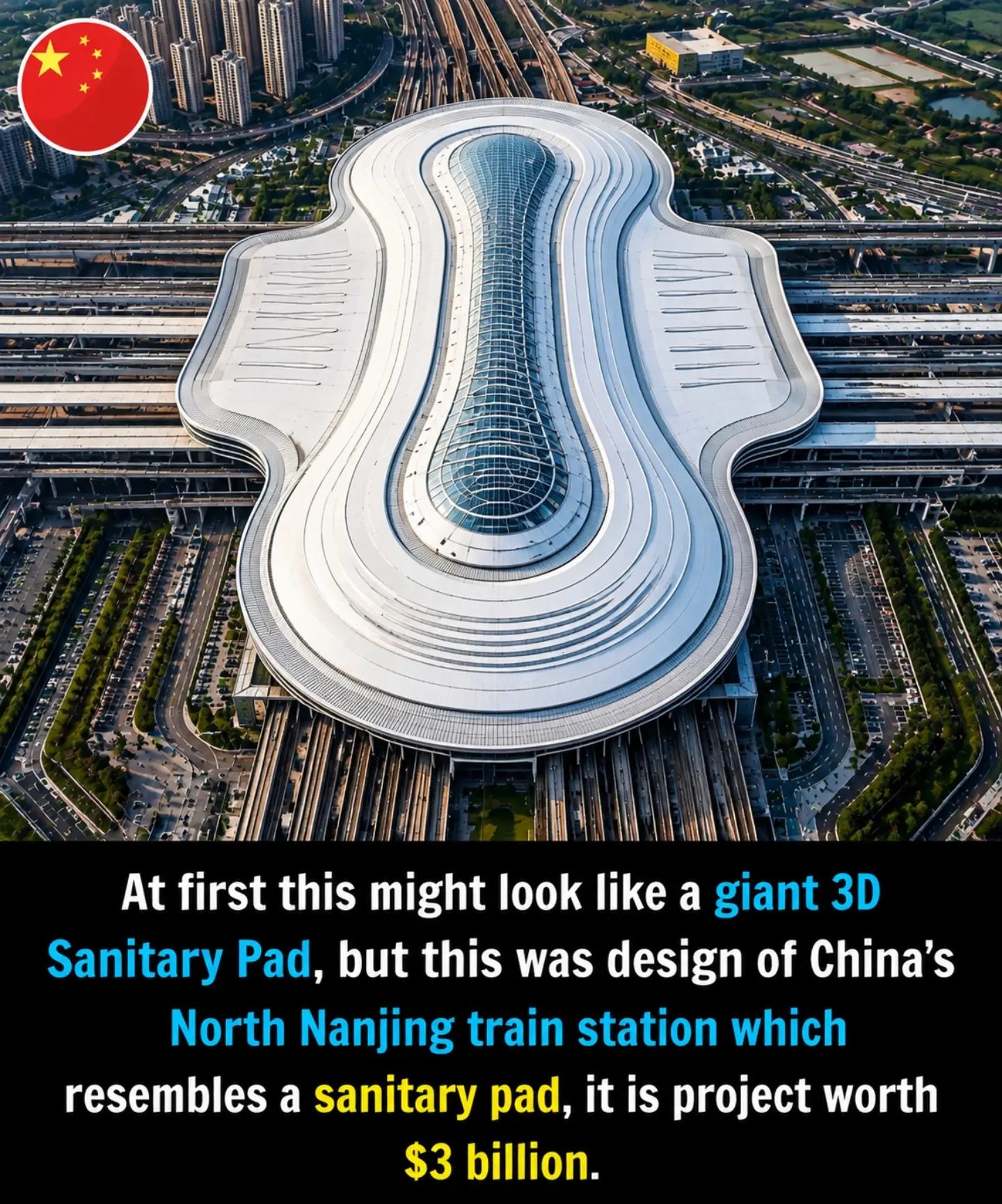
The North Nanjing train station in China is an architectural marvel that stands out for its unique design, often compared to a giant sanitary pad. This distinctive structure has sparked much discussion and controversy since its completion.
Context / Why This Matters
The North Nanjing train station is more than just a transportation hub; it serves as a gateway to the city and a symbol of modern China. The building's design and the significant cost associated with its construction have made it a topic of interest for architecture enthusiasts and critics alike. Understanding the design and the reactions it has garnered offers insights into contemporary architectural trends and public perception of avant-garde designs.
Main Discussion
The Design and Inspiration
The North Nanjing train station's design is a striking example of modern architectural innovation. The building's shape, resembling a giant sanitary pad, is intentional and not merely a coincidence. The design was created by architects to be bold and attention-grabbing. It serves not only as a functional space for passengers but also as a landmark that catches the eye from afar. The design reflects the evolution of architectural aesthetics, moving away from traditional forms to embrace more abstract and unconventional shapes. The station's futuristic design is meant to symbolize progress and modernity, aligning with China's rapid urbanization and technological advancements.
Cost and Criticism
The North Nanjing train station is a project worth $3 billion. The substantial investment has drawn both admiration and criticism. Those who appreciate the station's design see it as a testament to China's architectural prowess and willingness to invest in innovative infrastructure. However, the cost has also been a point of contention. Critics argue that the money could have been better spent on more practical or essential infrastructure projects, such as hospitals, schools, or affordable housing. The high cost has led to debates about the priorities of urban development and the role of aesthetics in public infrastructure.
Public Perception
The comparison of the train station to a sanitary pad has added a layer of complexity to its public perception. While some find the design innovative and impressive, others find the comparison to a sanitary pad off-putting or even humorous. This duality in public opinion highlights the challenges architects face in creating structures that are both functional and aesthetically pleasing. The station has become a subject of public debate, with discussions ranging from its aesthetic merits to its practicality and cultural significance. This level of public engagement underscores the power of architecture to shape and reflect societal values and perceptions.
Practical Tips
For those interested in architecture, the North Nanjing train station offers several practical lessons and insights:
Appreciating Modern Design
When visiting or studying modern architectural structures, it's essential to appreciate the intent behind the design. The North Nanjing train station is a prime example of how modern design can break away from traditional norms to create something entirely new and thought-provoking. Understanding the rationale behind the design can enhance your appreciation for the building's unique features.
Engaging with Public Perception
Architects and designers should be prepared for varied public reactions to their work. The North Nanjing train station's design has sparked both admiration and derision, highlighting the importance of considering public opinion in architectural projects. Designers can benefit from engaging with the public, gathering feedback, and being open to different interpretations of their work.
Balancing Aesthetics and Functionality
The North Nanjing train station serves as a reminder that aesthetics and functionality are not mutually exclusive. While the station's design is bold and unconventional, it also serves a practical purpose as a transportation hub. Balancing these two aspects is crucial in creating structures that are both visually appealing and useful to the community.
Important Takeaways
The North Nanjing train station in China is a striking example of modern architectural design. Its unique shape and high cost have made it a subject of both admiration and controversy. The station's design reflects the evolution of architectural aesthetics and the growing trend of incorporating abstract and unconventional shapes into modern structures. Understand the different perspectives on the station's design and cost can provide valuable insights into contemporary architectural trends and public perception of avant-garde designs.
Conclusion
The North Nanjing train station is a testament to China's architectural innovation and willingness to invest in bold, modern designs. The station's unique shape, cost, and public reception offer valuable insights into the world of contemporary architecture. It illustrates the complexities of creating structures that are both functional and aesthetically pleasing and the importance of considering public opinion in urban development. By appreciating the design and engaging with the various perspectives on the station, we can gain a deeper understanding of the role of architecture in shaping our urban landscapes.
Questions readers ask
Why is the North Nanjing Train Station often compared to a sanitary pad?
The North Nanjing Train Station's design features a distinctive, curved shape with a central gap, which has led many to compare it to a sanitary pad. This unique design has sparked significant conversation and debate among architecture enthusiasts and critics.
What is the significance of the North Nanjing Train Station in China?
The North Nanjing Train Station is a landmark symbolizing China's rapid urbanization and technological advancements. As a gateway to the city, it represents modern China's architectural ambition and innovation.
What makes the North Nanjing Train Station a controversial structure?
The station's distinctive design, likened to a sanitary pad, has sparked numerous debates. Critics argue that the design is impractical and questionable and that the $3 billion cost is excessive. Others appreciate its uniqueness and the statement it makes about China's urban development and architectural progress.
Who designed the North Nanjing Train Station and what was the inspiration behind it?
The station was designed by Japanese architect Fukaya Masaki. The design was inspired by the idea of creating a futuristic and iconic landmark that would serve as a gateway to Nanjing city.
How has the public reacted to the North Nanjing Train Station's design?
Public reactions to the station's design have been mixed. While some admire its bold and futuristic design, others find it impractical and even offensive due to its sanitary pad likeness. The station's design has certainly made it a topic of great interest and debate.
What other architectural landmarks in China share similar design controversies?
Other Chinese architectural landmarks that have sparked controversy include the CCTV Headquarters building in Beijing, which is known for its unique, looping design, and the National Centre for the Performing Arts in Beijing, often referred to as 'The Giant Egg' for its striking, dome-shaped design.
Recent articles
Fresh deep dives from the latest Reels we unpacked.




Comments
Be the first to comment.