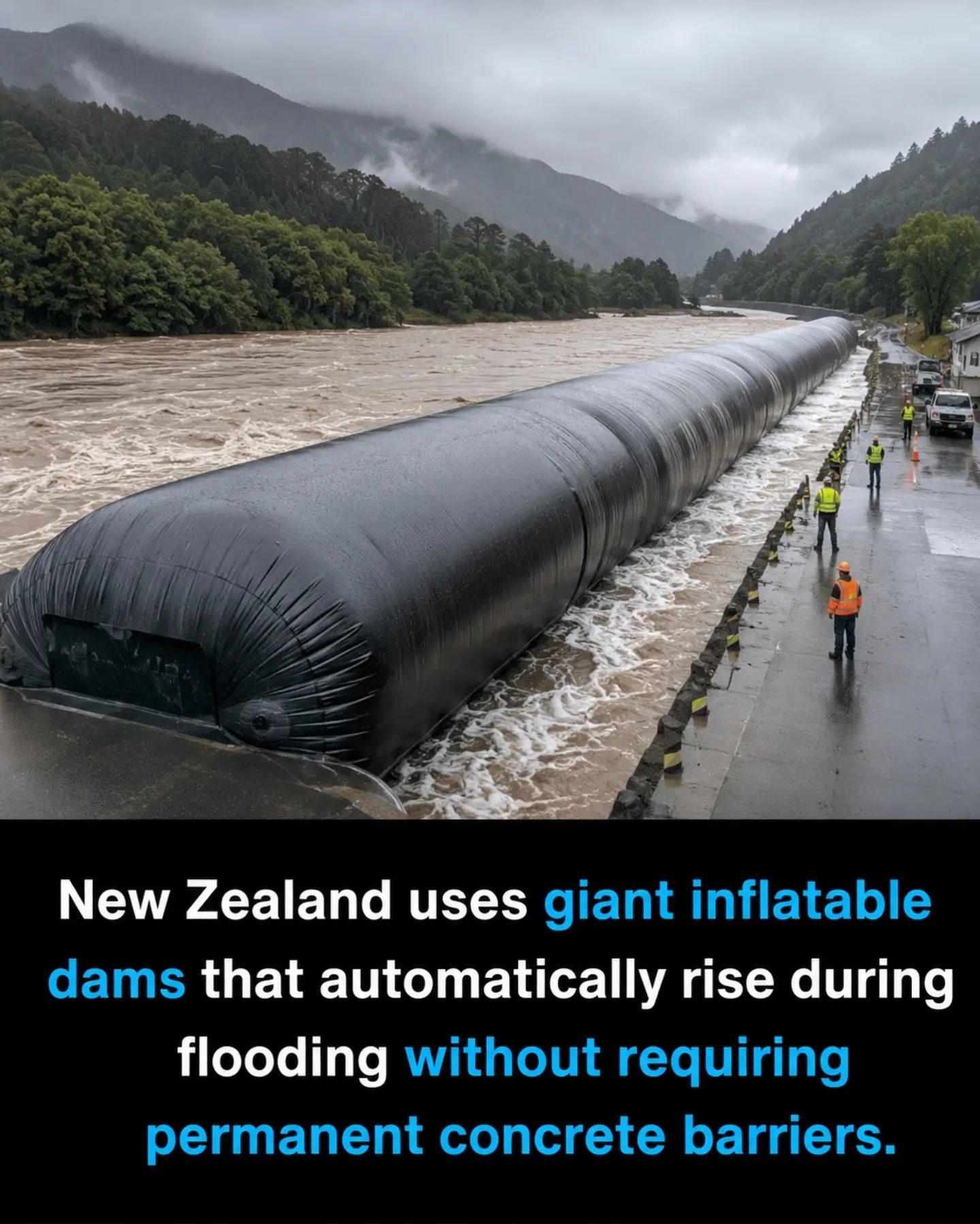
Flood Control Innovation: Inflatable Dams and Their Role in Modern Infrastructure
Inflatable dams are revolutionizing flood control strategies worldwide, offering a flexible and efficient solution to protect communities from rising waters. Unlike traditional concrete barriers, these innovative structures automatically inflate during flooding events, providing a dynamic defense against water surges.
Context / Why This Matters
Flooding is a persistent global challenge, causing significant damage to infrastructure, homes, and livelihoods. Traditional flood control methods, such as permanent concrete barriers, are effective but come with substantial drawbacks. They are expensive to build, require constant maintenance, and can have adverse environmental impacts. Inflatable dams address these issues by providing a more adaptable and cost-effective solution.
Main Discussion
The Mechanics of Inflatable Dams
Inflatable dams operate on a straightforward yet ingenious principle. They consist of a large, flexible membrane that can be inflated with water or air. These dams are typically deployed in rivers and streams where flooding is a common occurrence. During a flood event, sensors detect the rising water levels and trigger the inflation process. The dam inflates rapidly, creating a barrier that prevents the water from overtopping and causing damage downstream. The automatic inflation mechanism ensures that the dam is operational precisely when needed, reducing the risk of human error and delay.
Environmental and Cost Benefits
One of the most significant advantages of inflatable dams is their environmental friendliness. Unlike concrete structures, which can disrupt natural water flow and habitats, inflatable dams are temporary and do not permanently alter the landscape. They can be deflated and removed once the flood threat has passed, allowing the river to revert to its natural state. This flexibility is particularly beneficial in areas where maintaining the ecosystem is a priority.
In addition to their environmental benefits, inflatable dams are more cost-effective than traditional barriers. The initial investment in materials and installation is lower, and the maintenance costs are minimal. Since they do not require continuous monitoring or repair, they offer a long-term cost-saving solution for communities vulnerable to flooding.
Practical Tips
Community Preparedness
For communities considering the use of inflatable dams, preparedness is key. This involves installing sensors that can accurately detect water levels and trigger the inflation mechanism. Regular maintenance checks and drills can ensure that the system is operational when needed. Collaboration with local authorities and emergency response teams can also enhance the effectiveness of these measures.
Integration with Existing Infrastructure
Inflatable dams can be integrated with existing flood control infrastructure to create a comprehensive defense system. For example, they can be used in conjunction with traditional barriers to provide additional protection during severe flooding events. This integrated approach ensures that communities are well-protected against a wide range of flood risks.
Public Awareness and Support
Public awareness and support are essential for the successful implementation of inflatable dams. Community members should be informed about the benefits and mechanisms of these dams, as well as their role in maintaining and monitoring the system. Public education campaigns can help build support and ensure that the community takes an active role in flood preparedness.
Important Takeaways
Inflatable dams represent a significant advancement in flood control technology. Their ability to automatically inflate during flooding events makes them a reliable and efficient solution for protecting communities. Additionally, their environmental and cost benefits make them a viable alternative to traditional concrete barriers. As flooding continues to pose a threat to communities worldwide, the adoption of inflatable dams can play a crucial role in enhancing flood resilience and preparedness.
Conclusion
The use of inflatable dams in flood control is a testament to human ingenuity and innovation. By providing a flexible, cost-effective, and environmentally friendly solution, these dams offer a promising way to protect communities from the devastating effects of flooding. As we continue to face the challenges of climate change and increasing water levels, the integration of inflatable dams into our infrastructure can help build more resilient and sustainable communities.
Questions readers ask
How do inflatable dams work in flood control?
Inflatable dams operate by automatically inflating when water levels rise, creating a barrier that protects against flooding. They are designed to adapt to varying water levels and can deflate when the threat passes, making them a dynamic and efficient flood control solution.
What are the benefits of using inflatable dams over traditional concrete barriers?
Inflatable dams offer several advantages, including cost-effectiveness, lower environmental impact, and ease of deployment. Unlike concrete barriers, they do not require extensive construction or constant maintenance, and can be quickly inflated or deflated as needed.
How are inflatable dams deployed during a flooding event?
Inflatable dams are deployed automatically when water levels reach a certain height. Sensors and pumps inflate the dam with air or water, creating a barrier to protect against rising water. Once the flood threat subsides, the dam deflates, allowing water to flow freely again.
Can inflatable dams be used in all types of waterways?
Inflatable dams can be used in a variety of waterways, such as rivers and streams. However, their suitability depends on factors like the size and flow rate of the waterway, as well as the specific design and capacity of the inflatable dam. Consultation with experts is recommended to determine the best flood control solution for a particular location.
Are there examples of inflatable dams being used for flood protection in New Zealand?
New Zealand has been at the forefront of adopting inflatable dams for flood control. One notable example is the use of inflatable dams in the Manawatu region to protect against river flooding. These installations have significantly reduced flood risk and demonstrated the effectiveness of this modern flood control method.
How can I learn more about inflatable dams through visual aids?
To better understand how inflatable dams work and their deployment process, you can search for flood control videos online. These videos often show the automatic inflation and deflation of the dams, providing a clear visual representation of their functionality in real-world scenarios.
Related deep dives
Similar reads based on topic and creator.




Recent articles
Fresh deep dives from the latest Reels we unpacked.




Comments
Be the first to comment.