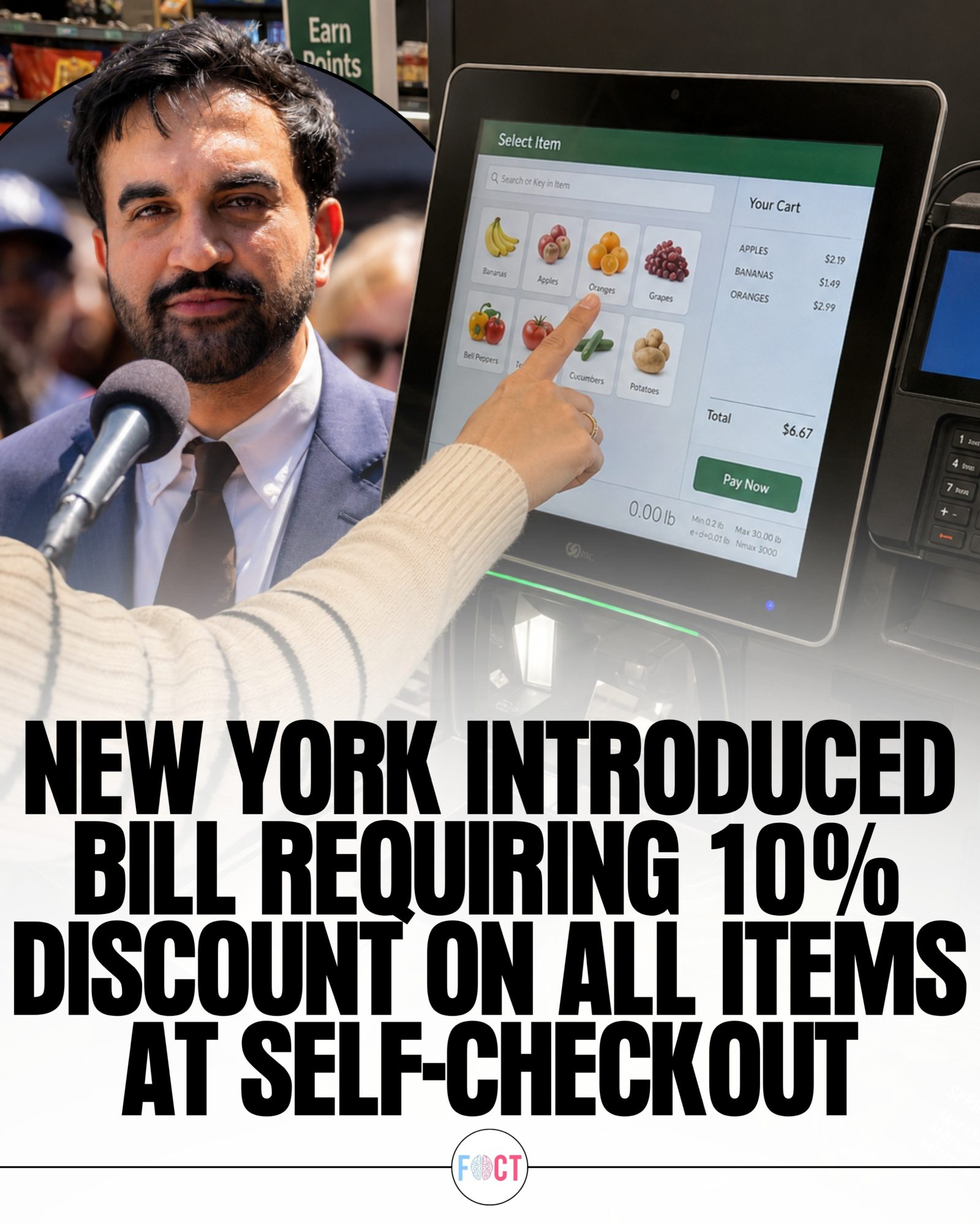
Self-Checkout Discounts in New York
New York lawmakers have introduced legislation that, if passed, would mandate a 10% discount on all items purchased using self-checkout machines. This proposal aims to compensate shoppers for the work traditionally done by cashiers, sparking debates about automation, labor savings, and consumer rights. Here’s a deep dive into what this means for retailers, consumers, and the future of self-checkout technology.
Why This Matters
The introduction of this bill could significantly impact the retail landscape in New York. Retailers would face new costs, while consumers could benefit from lower prices. The legislation also raises broader questions about the role of automation in the workplace and the rights of consumers to be compensated for tasks that would otherwise be performed by employees.
Understanding the Bill
What the Bill Proposes
The proposed legislation would require retailers to offer a 10% discount on all items purchased through self-checkout kiosks. This discount is intended as a form of compensation for the work that shoppers perform when using these machines. Traditionally, this work—such as scanning items, bagging purchases, and processing payments—has been done by cashiers. By performing these tasks themselves, consumers are effectively taking on roles that would otherwise be filled by retail employees.
The Rationale Behind the Bill
Supporters of the bill argue that shoppers should be compensated for the work they do at self-checkout kiosks. This rationale is based on the idea that consumers are performing tasks that were previously done by paid employees. By offering a discount, retailers would be acknowledging and compensating shoppers for this labor.
How It Could Affect Retailers
New Costs for Retailers
If the bill is passed, retailers will face new costs. The 10% discount on all self-checkout purchases could significantly reduce profit margins, especially for businesses with high volumes of self-checkout transactions. Retailers may need to adjust their pricing strategies, operational costs, and even staffing levels to accommodate this change.
Operational Changes
Retailers may need to implement new systems to track and apply the 10% discount to self-checkout transactions. This could involve upgrading software, retraining staff, and possibly even redesigning store layouts to reflect the new discount policy. Retailers will need to consider how these changes will impact their overall operations and customer experience.
How It Could Affect Consumers
Lower Prices for Self-Service
Consumers who use self-checkout machines regularly could see a direct financial benefit. The 10% discount would apply to all items purchased through self-checkout, potentially leading to significant savings, especially for larger purchases. This could incentivize more shoppers to use self-checkout options, further reducing the need for staffed checkout lanes.
Convenience and Savings
The bill could also make self-checkout more appealing to consumers. The 10% discount provides an additional incentive for shoppers to use these machines, which are often faster and more convenient than traditional checkout lines. This could lead to a shift in consumer behavior, with more people opting for self-checkout to save time and money.
Practical Tips for Retailers
Preparing for the Change
Retailers should start preparing for the potential implementation of this bill. This could involve updating POS systems to automatically apply the 10% discount to self-checkout transactions. Retailers may also need to consider how this change will impact their staffing needs and overall operational costs.
Communicating with Customers
Retailers should also communicate the changes to their customers clearly. This could involve signage, in-store announcements, and updates on retailer websites or apps. By keeping customers informed, retailers can manage expectations and ensure a smooth transition to the new discount policy.
Exploring Alternatives
Retailers may also want to consider alternatives to self-checkout, such as mobile checkout apps or cashier-assisted checkout options. These alternatives could help retailers maintain flexibility and adapt to changing consumer preferences and regulatory requirements.
Important Takeaways
The proposed bill in New York introduces a significant shift in how retailers and consumers interact with self-checkout technology. Here are the key points to consider:
- Retailers will need to adapt to new costs and operational changes if the bill is passed.
- Consumers could benefit from lower prices and more convenient shopping experiences.
- The bill raises important questions about the role of automation, labor savings, and consumer rights in the retail industry.
Conclusion
The proposed legislation in New York could reshape how retailers and consumers interact with self-checkout technology. By mandating a 10% discount on all self-checkout purchases, the bill aims to compensate shoppers for the work they perform. While this change could benefit consumers, it also presents new challenges and costs for retailers. As the debate continues, it will be important for all stakeholders to consider the broader implications of this proposal and work together to find solutions that balance automation, labor, and consumer rights.
Questions readers ask
What is the New York Self-Checkout Discount Bill, and how does it work?
The New York Self-Checkout Discount Bill is a proposed legislation that requires retailers to offer a 10% discount on all purchases made using self-checkout machines. If passed, it would provide shoppers with a financial incentive for using these automated systems, compensating them for the tasks previously performed by cashiers.
Who benefits from the 10% self-checkout discount?
The primary beneficiaries of the 10% self-checkout discount would be consumers who choose to use self-service machines. Retailers, on the other hand, may face increased costs due to the need to invest in and maintain self-checkout technology, as well as potential reductions in profit margins.
What impact could this bill have on New York retailers?
The bill could significantly impact New York retailers by introducing new operational costs and potentially reducing profit margins. Retailers would need to ensure their stores are equipped with reliable self-checkout systems and may need to hire additional staff to maintain and support these machines.
How does this legislation address the role of automation in retail?
The proposed bill sparks a conversation about the role of automation in retail by acknowledging the shift in tasks from human cashiers to automated systems. It aims to compensate consumers for performing these tasks, effectively recognizing the value of the labor they undertake when using self-checkout machines.
What are the potential savings for New York shoppers under this bill?
If the bill is passed, New York shoppers could see direct savings of 10% on their purchases when using self-checkout machines. However, the impact on overall savings would depend on individual shopping habits and the frequency of using these automated systems.
Related deep dives
Similar reads based on topic and creator.




Recent articles
Fresh deep dives from the latest Reels we unpacked.




Comments
Be the first to comment.