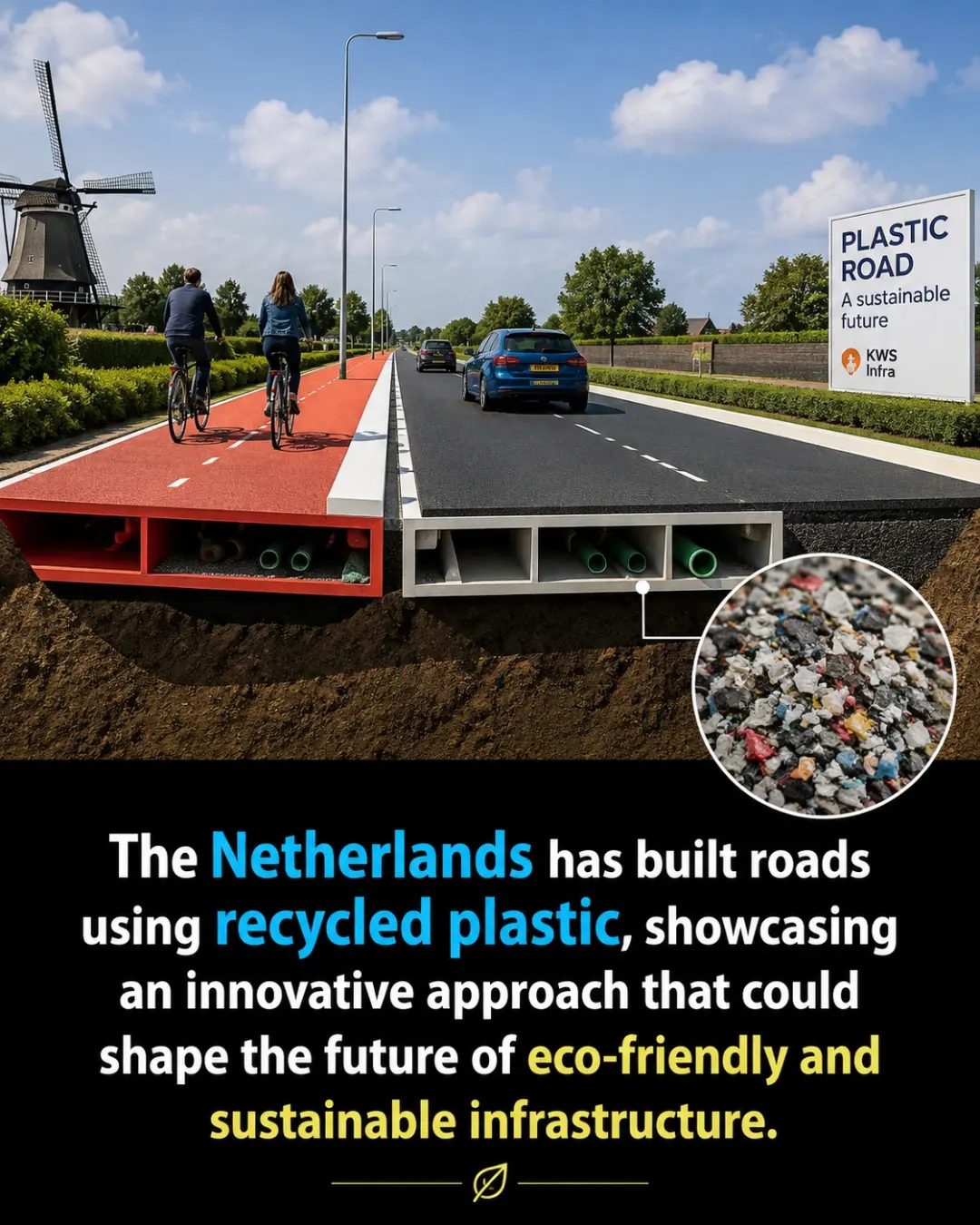
Recycled Plastic Roads
The Netherlands has pioneered an innovative approach to road construction by building roads using recycled plastic. This eco-friendly infrastructure has gained attention for its sustainability and durability.
Why This Matters
Traditional road construction methods often rely on materials like asphalt and concrete, which have significant environmental impacts. By incorporating recycled plastic into road construction, we can reduce waste, lower carbon emissions, and create more durable roads. This approach not only addresses environmental concerns but also offers a cost-effective solution for urban development.
Understanding Recycled Plastic Roads
The Dutch Innovation
The Netherlands has been at the forefront of sustainable infrastructure development. By integrating recycled plastic into road construction, the country has demonstrated a practical and scalable solution to reduce plastic waste while enhancing road durability. KWS Infra, a prominent company in this field, has played a crucial role in this innovative project.
Construction Process
The process of building roads with recycled plastic involves several key steps:
- Collection and Cleaning: Plastic waste is collected and cleaned to remove contaminants. This step ensures that the plastic is suitable for use in road construction.
- Processing: The cleaned plastic is shredded into smaller pieces and melted down. This step prepares the plastic for mixing with other road construction materials.
- Mixing: The melted plastic is mixed with traditional road materials like asphalt. The resulting mixture is then used to create a durable and eco-friendly road surface.
- Laying the Road: The mixture is laid on the road surface and compacted to ensure a smooth and even finish. The recycled plastic components enhance the road's durability and resistance to wear and tear.
Components and Layers
Recycled plastic roads consist of multiple layers, each serving a specific purpose:
- Sub-base Layer: This layer provides stability and support for the road. It is typically made from crushed stone or gravel.
- Base Layer: The base layer is composed of a mixture of recycled plastic and traditional road materials. It adds strength and durability to the road.
- Surface Layer: The top layer is made from a combination of asphalt and recycled plastic. This layer ensures a smooth and even surface for vehicles to travel on.
Practical Tips
Recycling Plastic for Construction
To effectively use recycled plastic in road construction, consider the following tips:
- Sorting and Separation: Different types of plastic have varying properties. Sorting and separating plastics by type can improve the quality and durability of the road.
- Quality Control: Ensure that the recycled plastic is free from contaminants. Proper cleaning and processing are essential for maintaining the integrity of the road.
- Testing: Conduct thorough testing to determine the optimal mix of recycled plastic and traditional road materials. This ensures that the road meets the required standards for durability and safety.
Enhancing Sustainability
- Source Local Materials: Using locally sourced recycled plastic can reduce transportation costs and carbon emissions.
- Community Engagement: Engage local communities in the recycling process. This can help in collecting more plastic waste and increasing awareness about sustainable practices.
- Innovative Designs: Explore innovative designs and technologies that can further enhance the sustainability and durability of recycled plastic roads.
Maintenance and Durability
- Regular Inspections: Conduct regular inspections to monitor the condition of the road. Early detection of issues can prevent major repairs and enhance the road's lifespan.
- Weather Resilience: Recycled plastic roads are known for their resistance to weathering. However, regular maintenance and repairs are necessary to ensure long-term durability.
Important Takeaways
- Environmental Impact: Recycled plastic roads help reduce plastic waste and lower carbon emissions, contributing to a more sustainable future.
- Cost-Effectiveness: The use of recycled plastic can be a cost-effective solution for road construction, reducing the need for new materials and lowering construction costs.
- Durability: Recycled plastic roads are durable and resistant to wear and tear, making them a practical choice for urban development.
Conclusion
The Netherlands' initiative to build roads using recycled plastic showcases an innovative and sustainable approach to infrastructure development. By reducing plastic waste and enhancing road durability, this method offers a practical solution to environmental challenges. As more countries adopt this technology, we can look forward to a future where sustainable practices are integrated into everyday infrastructure.
Questions readers ask
How does using recycled plastic in road construction benefit the environment?
Using recycled plastic in road construction reduces the amount of plastic waste sent to landfills. It also lowers carbon emissions compared to traditional methods, as producing recycled plastic roads requires less energy. Additionally, these roads are more durable, reducing the need for frequent maintenance and repairs, which further cuts down on emissions.
What makes recycled plastic roads more durable than traditional roads?
Recycled plastic roads are more durable due to the inherent strength and flexibility of the material. Plastic can withstand extreme weather conditions and heavy traffic loads better than traditional asphalt. This durability leads to fewer potholes and cracks, extending the lifespan of the road.
How does the Netherlands' recycled plastic road technology work?
The Netherlands' recycled plastic road technology involves mixing shredded plastic waste with traditional road materials, such as asphalt or concrete. This mixture is then laid in layers to create a sturdy and flexible road surface. The process can incorporate various types of plastic, making it a versatile solution for waste management and road construction.
How does choosing recycled plastic roads help in reducing carbon emissions?
Recycled plastic roads reduce carbon emissions in several ways. Firstly, the production of recycled plastic requires less energy than producing new materials. Secondly, the durable nature of these roads means they need less frequent repairs and replacements, which reduces the overall carbon footprint of road maintenance.
What types of plastic waste can be used in recycled plastic road construction?
A wide variety of plastic waste can be used in road construction, including materials like polyethylene, polypropylene, and polystyrene. These plastics are shredded and mixed with traditional road-building materials to create a strong, flexible, and eco-friendly road surface. This versatility makes it an effective solution for managing different types of plastic waste.
Are recycled plastic roads more cost-effective than traditional roads in the long run?
Yes, recycled plastic roads are often more cost-effective in the long run. The initial cost may be comparable, but the reduced need for repairs and maintenance due to their durability means lower long-term costs. Additionally, the reuse of plastic waste can lower disposal costs, making it a financially beneficial option.
Related deep dives
Similar reads based on topic and creator.




Recent articles
Fresh deep dives from the latest Reels we unpacked.




Comments
Be the first to comment.