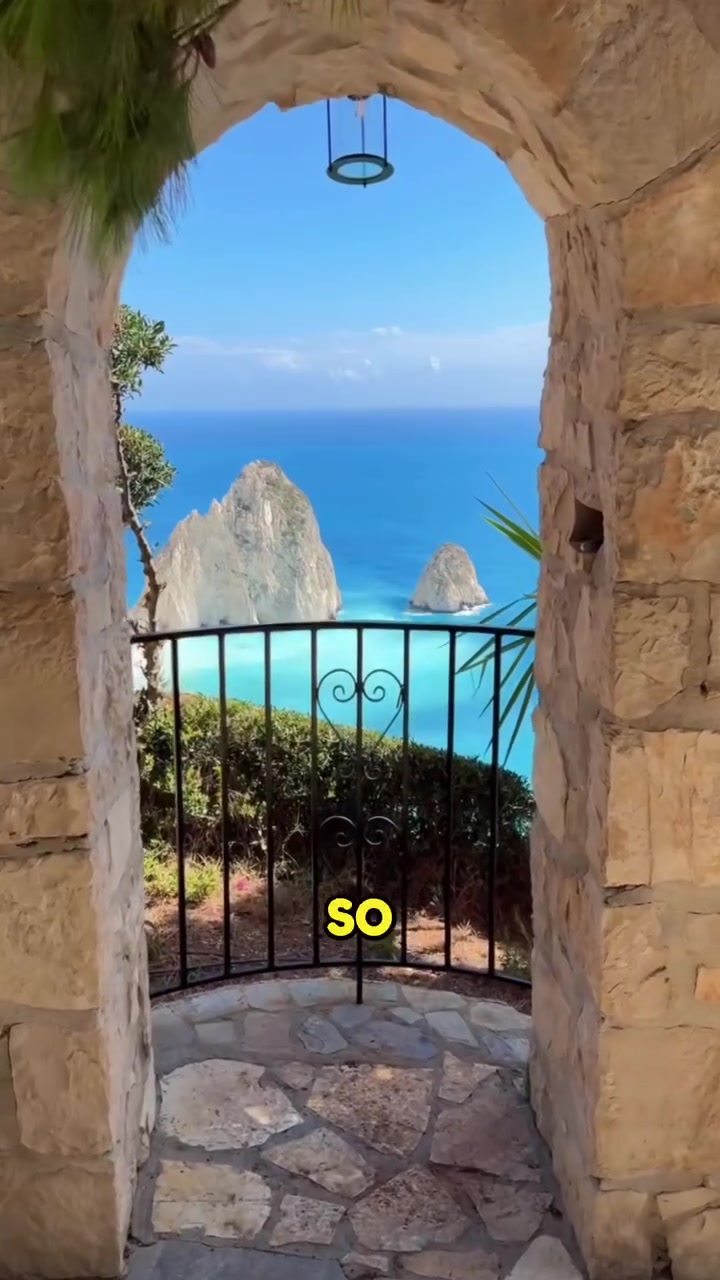
The Blue Jewel with a Rusting Secret
Navaggio Beach, a postcard-from-Heaven notch of sand and sea on Greece's Zakynthos island, harbors an unexpected element: a rusting shipwreck. It may be one of the most photographed beaches on Earth, but few understand the origins of this eerie artifact from the sea. First, let's clear the shore.
The Beach that Time Forgot
Navaggio Beach, also known as Shipwreck Cove, is sandwiched between towering limestone cliffs that shelter it from the rest of the world, creating a natural sanctuary. Its isolation is not just geographical — the beach is cut off from the typical tourist paths and only accessible via boat. Here, the dazzling blues of the Ionian Sea offer a dramatic contrast to the stark white cliffs and luscious green foliage, concealing the wreckage of the Panagiotis. The Panagiotis shipwreck lies in the center of the beach. Over 40 years ago, a fierce storm dragged the boat to this isolated cove. Despite efforts to pull it back to sea or tug it to a more touristic shore, the Panagiotis remains a permanent part of the beach. The rusting relic only adds to Navaggio's grandeur, as nature reclaimed the hull. Wildlife around the wreck invites visitors to explore the rocks and the depths. The shipwreck itself was a freight vessel, around 50 meters long, which crashed on the rocks in the 1980s. What makes the shipwreck navigation so difficult is the completely rocky terrain around it. The peculiar extraordinary image of the Panagiotis has now become a symbol of tragedy and beauty, blending human history with the forces of nature. In fact, it is one of the reasons to travel to Greece; the scene is one of the most popular in the world. Navaggio Beach is in a stunning setting, the wreck of the ship, the azure i sea, the magnificent cliffs – every aspect of it tells a story. For many, it is the ideal Greek beach; it is famous for its picturesque setting and romantic appeal.
A Journey of Discovery and Contrast
Navaggio's unlikely rise to fame highlights a larger trend in travel: the allure of off-the-beaten-path destinations. This fascination has only grown in the wake of the pandemic, as traveler motivations have shifted towards more personal and meaningful experiences. Yet, Navaggio Beach has offered this for a long time. The beach is also an example of a growing appetite for nature-based tourism. Travelers are increasingly seeking destinations that offer authentic, nature-enriched experiences and a sense of drama. Scores of visitors flock to Navaggio not just to bask in the sun or swim in its sparkling azure waters. They also come to see the rusting Panagiotis, whose hulking form serves as a sober reminder of the forces of nature and the hazards of the sea. The contrast between the pristine beach and the decaying shipwreck is what makes Navaggio so captivating, serving as a nature and culture contrast.
The Accidental Icon
Navaggio Beach on the Greek island of Zakynthos is a spectacle of beauty and contrast. But the decaying shipwreck in the middle of the beach was the unintended consequence of a violent storm in 1980. The hull was a freighter, the MV Panagiotis, which was carrying cargo to Crete in 1980. A violent storm sent the boat crashing into the rocky cliffs; the damage to the hull was so severe that it could not be salvaged. It was abandoned and forgotten on the beach, a good 500 meters from the main shore. But today, the wreckage is an iconic part of Navaggio Beach.
The Rusting Remnant
The MV Panagiotis, 50 meters long, lies in the center of one of the world's most beautiful beaches, overlooking the majestic Navagio cove. Over time, the ship has succumbed to the elements, its body decaying. Some visitors mistakenly refer to the wrecked ship is the "Wreck of the Blue Lagoon." But even if the hull were adaptable, the sea, whose waves had dragged it ashore, would have made it impossible to salvage it. Eventually, it turned it into a rusting relic, a relic that awaits the next evolutionary step.
The Hidden Landmark
When it comes to the shipwreck, many questions are raised. But who knew that one of the most iconic locations in the world was once the setting of a maritime accident?
Where to Begin
Finding Navaggio Beach for a visit can be a challenging task, but when you reach the destination, you will not want to leave. After a boat ride to the shore, you begin to explore the rocks and the ship if you are so inclined. You can also choose to spend the day on the beach, before heading back to the mainland.
The Mystique of the Mysterious
Some have suggested that the shipwreck is linked to a ship carrying illegal smugglers who ran aground, hence 'the wreck of the Blue Lagoon.' But the reality is quite different. The MV Panagiotis was carrying potatoes, and its demise was an accident. Cast upon the rocky shores of Navaggio, the shipwreck almost sank into the sea. But it still bears testimony to the power of the forces of nature. The Greek island of Zakynthos has been a draw for many years, especially when the affected beach became a natural sanctuary.
Seize the Day
Visitors to Navagio Beach are advised to bring plenty of water, sunscreen, and a hat if possible. For the shipwreck, it is possible to swim around it, but the waters are crystal deep, so extreme care is necessary. For those with mobility challenges, accessibility is limited due to the rocky terrain. Nevertheless, the beach and the shipwreck are an unforgettable sight, and a must-visit for any traveler. You can get there by boat from Porto Vromi, Agios Nikolaos, or Limnionas. The boat ride will take around 20-30 minutes, and you will usually need to book in advance. Although you will be close to the mainland, you'll feel a million miles away from everything.
Questions readers ask
How did the Panagiotis shipwreck end up on Navaggio Beach?
The Panagiotis was a freighter that met its end during a fierce storm in the 1980s. The storm drove the ship onto the rocky shore of Navaggio Beach, where it has remained ever since. Despite attempts to move it, the shipwreck has become a permanent fixture, adding to the beach's unique allure.
Why is Navaggio Beach so popular among photographers?
Navaggio Beach is a photographer's dream due to its stunning contrast between the pristine white sand, azure sea, and the rusting shipwreck. The dramatic limestone cliffs and lush greenery surrounding the beach create a picturesque setting that blends tragedy and beauty, making it one of the most photographed beaches in the world.
Can visitors access Navaggio Beach by land?
No, Navaggio Beach is only accessible by boat. Its isolation, sheltered by towering limestone cliffs, makes it a natural sanctuary. This inaccessibility by land adds to its allure and helps preserve its untouched beauty, attracting visitors seeking off-the-beaten-path destinations.
How does the Panagiotis shipwreck impact the local wildlife and the beach itself?
The Panagiotis shipwreck has become a part of the local ecosystem, with wildlife thriving around it. The rusting hull has been reclaimed by nature, and visitors can explore the rocks and depths around it. The shipwreck's presence also adds to the beach's unique charm, serving as a reminder of the forces of nature and the hazards of the sea.
What makes Navaggio Beach a popular destination for nature-based tourism?
Navaggio Beach offers an authentic, nature-enriched experience with its dramatic cliffs, lush foliage, and the rusting shipwreck. It provides a sense of drama and contrast, attracting travelers seeking meaningful and personal experiences. The beach's unique setting and romantic appeal make it a popular destination for those interested in nature-based tourism.
What can visitors expect from the journey to Navaggio Beach?
A journey to Navaggio Beach is an adventure in itself. Visitors should expect a boat ride to reach the isolated cove, where they can explore the pristine beach, swim in the azure waters, and marvel at the decaying shipwreck. The journey offers a sense of discovery and contrast, highlighting the allure of off-the-beaten-path destinations.
How has the pandemic influenced travel to destinations like Navaggio Beach?
The pandemic has heightened the appeal of destinations like Navaggio Beach, as travelers seek more personal and meaningful experiences. The trend towards nature-based tourism and off-the-beaten-path destinations has grown, making Navaggio's unique setting and romantic appeal even more attractive to visitors.
Related deep dives
Similar reads based on topic and creator.




Recent articles
Fresh deep dives from the latest Reels we unpacked.




Comments
Be the first to comment.