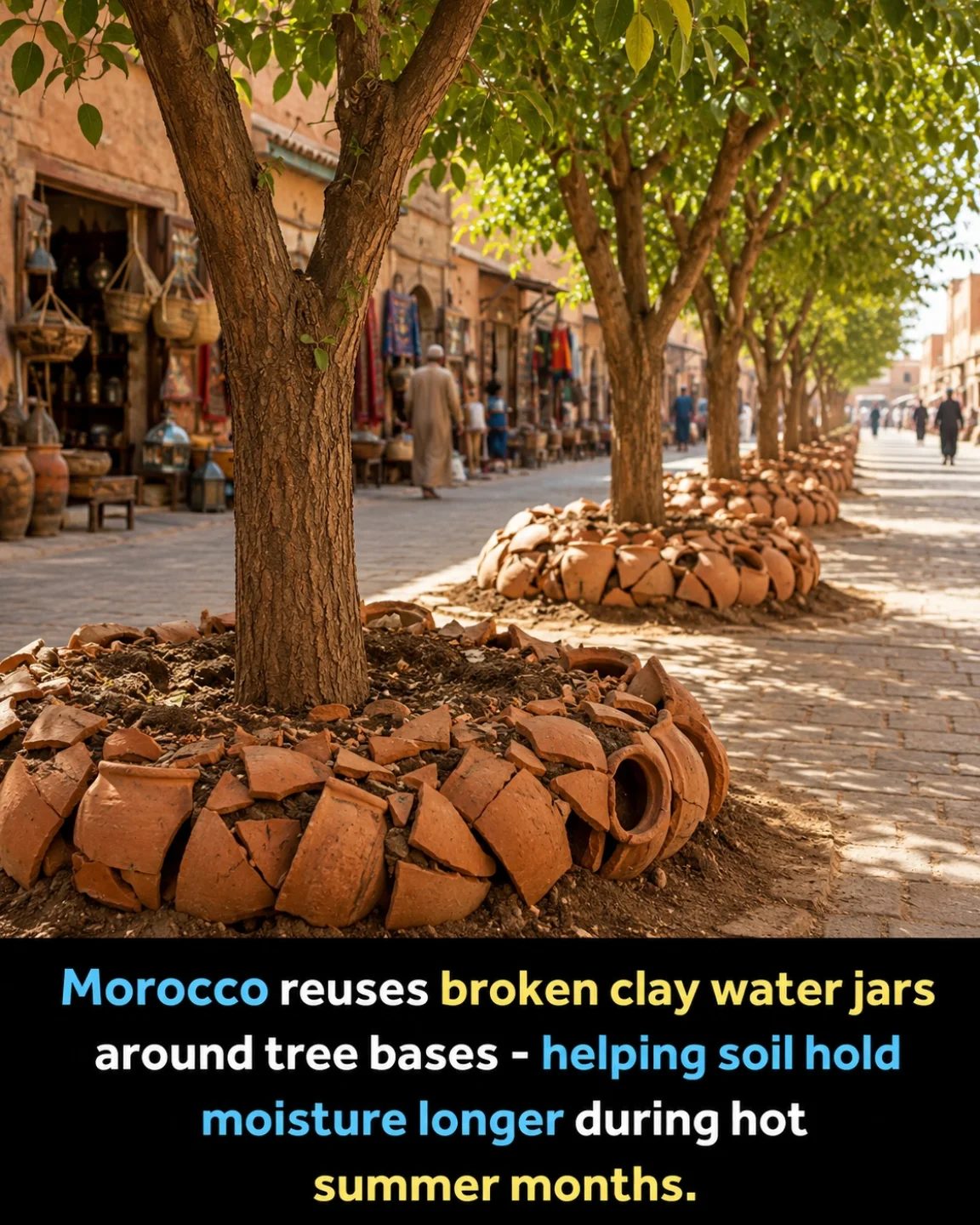
Sustainable Gardening in Morocco
The practice of sustainable gardening in Morocco offers a range of benefits, especially when it comes to preserving water and promoting tree growth in arid climates. The region is known for its innovative use of broken clay water jars, which provides an eco-friendly solution to common gardening challenges. This article delves into the benefits, the process, and some practical tips for implementing this technique in your own garden.
Why This Matters
In Morocco's hot, dry summers, maintaining soil moisture is crucial for the health and growth of trees. Traditional gardening methods often rely on copious amounts of water, which can be wasteful and unsustainable. By reusing broken clay water jars, gardeners can retain moisture more effectively, ensuring that trees have a steady supply of water without excessive watering. This method not only conserves water but also reduces the need for synthetic fertilizers and other chemicals, making it a more environmentally friendly approach.
Understanding the Technique
The Role of Clay Jars
Broken clay water jars have long been used in Moroccan gardening practices. These clay pots, once used for holding water, are repurposed to create a sustainable gardening technique. When placed around the base of trees, they help retain moisture in the soil. The porous nature of clay allows water to seep slowly into the ground, keeping the soil hydrated over an extended period.
How It Works
When you place a broken clay water jar around the base of a tree, the jar acts as a reservoir for water. As the sun heats up the soil, the water stored in the jar evaporates slowly, creating a cooling effect. This process not only helps the soil retain moisture but also keeps the soil’s temperature stable, ensuring that the tree roots have a consistent environment for growth.
The Benefits
The benefits of using broken clay water jars in gardening are manifold:
- Moisture Retention: The porous nature of clay allows water to seep into the soil gradually, keeping it moist for longer periods. This is especially beneficial during the hot summer months when water evaporation rates are high.
- Temperature Regulation: The evaporation of water from the clay jars creates a cooling effect, which helps regulate the soil temperature. This can be crucial for trees that are sensitive to heat.
- Water Conservation: By reducing the need for frequent watering, this method helps conserve water, which is a precious resource in arid regions.
- Environmental Impact: The use of recycled clay jars reduces waste and the need for synthetic fertilizers, making it a more sustainable gardening solution.
Practical Tips
Choosing the Right Clay Jars
Not all clay jars are suitable for this purpose. Ensure that the jars you choose are:
- Porous: This allows water to seep into the soil gradually.
- Durable: Choose jars that are sturdy and can withstand the elements.
Placement
When placing the jars around the base of the tree, consider the following:
- Depth: Bury the jars partially in the soil, ensuring that the top of the jar is level with the soil surface. This prevents the jars from being displaced during watering or rain.
- Distribution: Place the jars evenly around the tree to ensure uniform water distribution.
Maintenance
Regular maintenance is key to the effectiveness of this technique:
- Refill: Check the jars regularly and refill them with water as needed.
- Cleaning: Remove any debris or dirt that accumulates inside the jars to ensure proper water flow.
- Monitoring: Keep an eye on the tree and the soil to ensure that the jars are providing the desired benefits. Adjust the frequency of watering or the number of jars as needed.
Important Takeaways
- Sustainability: The use of broken clay water jars aligns with sustainable gardening practices by promoting water conservation and reducing waste.
- Effectiveness: This method is particularly effective in arid regions where maintaining soil moisture is a challenge.
- Versatility: The technique can be adapted to various types of trees and plants, making it a versatile solution for different gardening needs.
Conclusion
Incorporating broken clay water jars into your gardening practices can offer numerous benefits, from moisture retention to water conservation. This technique, widely used in Morocco, demonstrates the value of sustainable and eco-friendly gardening methods. By understanding the process and following the practical tips outlined, you can create a healthier, more resilient garden that thrives even in the hottest summer months.
Questions readers ask
How do broken clay jars help retain moisture in the soil during Morocco's hot summers?
Broken clay jars are placed around the base of trees and gradually release water into the soil. This slow drip method ensures that the soil remains hydrated for a longer period, reducing the need for frequent watering and helping to protect trees during the dry seasons.
What are the benefits of using broken clay jars in gardening?
This eco-friendly method promotes sustainable gardening by reusing materials and conserving water. It also reduces the reliance on synthetic fertilizers, as the slow release of water encourages natural nutrient uptake by trees.
Can I implement this clay jar watering method in my own garden?
Yes, this technique can be adapted to various gardening settings. You can either use broken clay jars or purchase unglazed terracotta pots to achieve the same effect. Simply place them around your plants and fill them with water to help retain soil moisture.
How does this method reduce the need for frequent watering?
The porous nature of clay allows water to seep out slowly, providing a consistent supply of moisture to the soil. This gradual release helps to maintain optimal soil hydration, minimizing the need for manual watering and ensuring that plants receive steady moisture throughout the day.
What types of plants benefit most from the clay jar watering method?
This method is particularly beneficial for trees and other deep-rooted plants that require consistent moisture. However, it can also be used for various plants, especially in arid or semi-arid climates where soil moisture retention is crucial.
Are there any specific tips for using broken clay jars in gardening?
To maximize the effectiveness of this method, place the jars at the base of the plants with the broken side facing down. Fill the jars with water and ensure they are securely positioned to avoid displacement. Regularly check and refill the jars as needed, especially during periods of high heat or drought.
How does this method support tree growth in Morocco's arid climate?
By maintaining consistent soil moisture, the clay jar watering method supports the overall health and growth of trees. It helps trees withstand the challenges of arid climates, such as drought and high temperatures, by providing a steady supply of water to the root system.
Related deep dives
Similar reads based on topic and creator.



Recent articles
Fresh deep dives from the latest Reels we unpacked.



Comments
Be the first to comment.