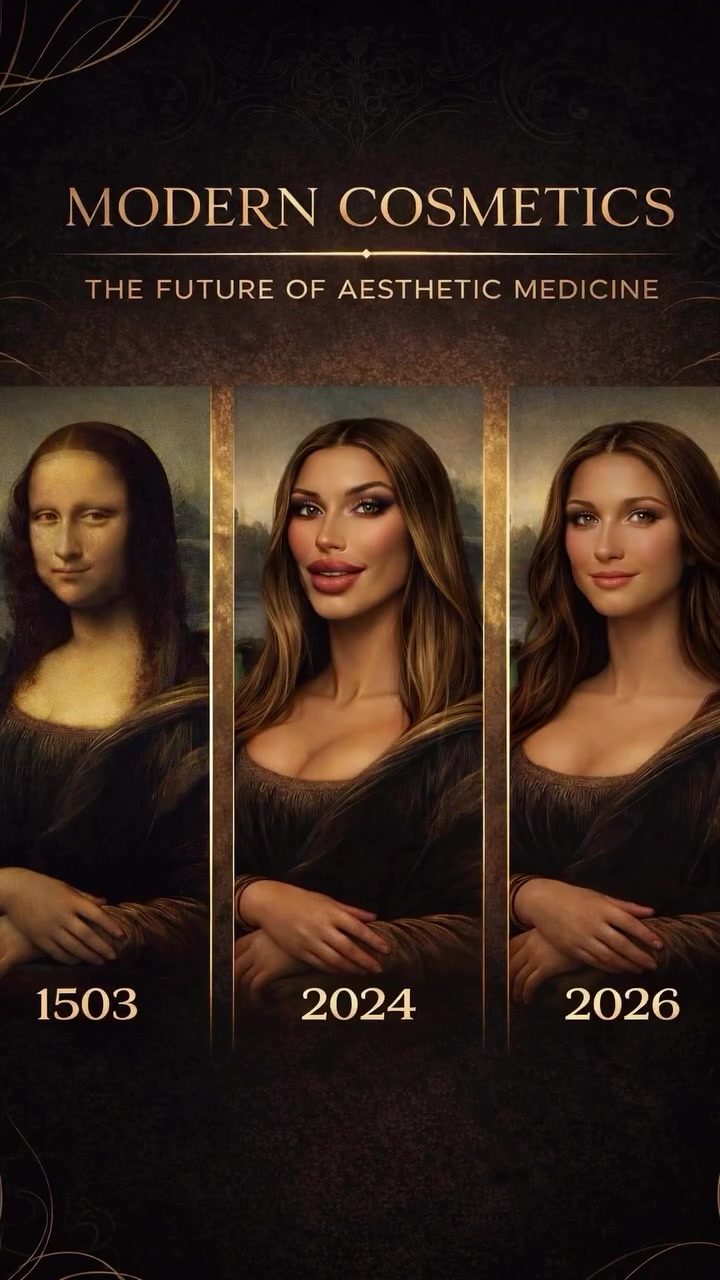
Cosmetic Evolution: From Observation to Understanding
Cosmetic evolution is a fascinating journey that reflects societal beauty standards and advancements in medical science. By examining the progression from the Renaissance period to the present day, and projecting into the future, we can better understand the principles of modern aesthetics and the role of precision and understanding in achieving balanced, harmonious beauty.
Why This Matters
The evolution of cosmetics and aesthetic medicine highlights how beauty standards have shifted over time. From the natural, subtle enhancements of the past to the sophisticated, evidence-guided treatments of today, the focus has always been on proportion, harmony, and a deep understanding of facial anatomy. This evolution not only reflects changing societal norms but also the advancements in medical knowledge and technology. Understanding this progression helps us appreciate the nuanced approach to beauty that emphasizes balance and structure over extremes.
Main Discussion
Historical Context
Beauty in the Renaissance era, as exemplified by figures like the Mona Lisa, was observed and often depicted with natural features. The focus was on capturing the essence of beauty through artistic expression rather than through physical alterations. This period laid the foundation for the idea that beauty is intrinsically tied to harmony and proportion, principles that continue to guide modern aesthetic medicine.
Modern Enhancements
In contemporary times, the enhancement of beauty has become more nuanced and precise. Advances in medical knowledge and technology have allowed for treatments that subtly refine features while maintaining a natural appearance. Procedures are designed to enhance facial structures rather than dramatically alter them, reflecting a shift towards a more balanced and harmonious approach to beauty. Patients today seek treatments that offer structural refinement and a refined look that appears untouched.
Future Trends
Looking ahead to 2026, the future of aesthetic medicine promises even greater precision and understanding. With advancements in medical research and technology, treatments will be more evidence-guided, focusing on anatomical precision and intentional refinement. These future trends indicate a continued emphasis on balancing and structuring rather than on extremes, ensuring that beauty remains a reflection of both natural and medical artistry.
Practical Tips
For those considering cosmetic treatments, here are some practical tips to guide your decisions:
Consultation and Assessment
Every treatment journey begins with a thorough consultation and assessment. This step is crucial as it allows medical professionals to understand your unique facial anatomy and desired outcomes. A comprehensive assessment ensures that the treatment plan is tailored to your specific needs, enhancing your natural features while maintaining harmony and proportion.
Medical Judgement
True aesthetic medicine respects the individuality of each face. Instead of aiming to change faces, modern treatments focus on enhancing natural beauty through subtle and intentional refinements. Medical judgement plays a critical role in ensuring that the treatments are evidence-guided and respect the natural structure of the face.
Precision and Evidence
Precision and evidence are the cornerstones of modern aesthetic medicine. Treatments are designed to be evidence-guided, ensuring that the results are both effective and safe. This approach not only enhances natural beauty but also ensures that the treatments are sustainable and long-lasting.
Balance and Structure
The era of educated beauty emphasizes balance and structure. Patients today are increasingly aware of the importance of subtle, intentional refinements that enhance their natural features without appearing artificial. This focus on balance and structure ensures that beauty remains a reflection of individuality and natural harmony.
Important Takeaways
The evolution of cosmetics and aesthetic medicine emphasizes the importance of knowledge, anatomy, and precision. Beauty has never been about extremes; instead, it has always been about proportion, harmony, and a deep understanding of facial anatomy. Modern treatments focus on subtle, intentional refinements that enhance natural features while maintaining a balanced and harmonious appearance. This approach ensures that beauty remains a reflection of both natural artistry and medical science.
Conclusion
Cosmetic evolution is a testament to the advancements in medical science and the changing beauty standards. From the Renaissance period to the present day and beyond, the focus has always been on harmony, proportion, and a deep understanding of facial anatomy. As we move forward, the future of aesthetic medicine promises even greater precision and understanding, ensuring that beauty remains a reflection of both natural and medical artistry.
Questions readers ask
What were the key features of Renaissance beauty trends, and how have they influenced modern aesthetics?
Renaissance beauty trends emphasized natural, subtle enhancements, focusing on clear, pale skin, defined eyebrows, and natural blush. These trends have influenced modern aesthetics by promoting a balanced, harmonious look that enhances natural features rather than dramatically altering them. Today, many cosmetic treatments aim to achieve a similar natural yet refined appearance.
How have medical advancements shaped the cosmetic industry from 1503 to 2026?
From 1503 to 2026, medical advancements have significantly transformed the cosmetic industry. Early advancements in surgery and anatomy during the Renaissance laid the groundwork for more precise and effective treatments. Today, technological innovations and evidence-guided practices have led to minimally invasive procedures and personalized treatment plans, enhancing both safety and efficacy.
What role does facial anatomy play in modern cosmetic treatments?
In modern cosmetic treatments, facial anatomy plays a crucial role. Understanding the underlying structures, such as muscles, bones, and fat pads, allows practitioners to achieve balanced, harmonious results. This deep understanding of facial anatomy guides the precise application of treatments, ensuring that enhancements are natural and proportionate.
What can we expect from the future of the beauty industry in 2024 and beyond?
The future of the beauty industry in 2024 and beyond is expected to focus on personalized, evidence-guided treatments that prioritize natural-looking results. Advances in technology, such as AI and 3D imaging, will likely play a significant role, allowing for more precise and customized treatment plans. Additionally, there may be a greater emphasis on sustainability and well-being in cosmetic products and practices.
How have societal beauty standards influenced the evolution of cosmetics over time?
Societal beauty standards have profoundly influenced the evolution of cosmetics. From the Renaissance's preference for natural enhancements to today's focus on balance and harmony, cosmetic trends have mirrored the ideals of each era. This reflects how cultural and societal values shape beauty norms, driving the development of new techniques and products.
What are some significant milestones in the timeline of cosmetic enhancements from 1503 to the present day?
Significant milestones in the timeline of cosmetic enhancements include the introduction of natural, subtle enhancements during the Renaissance, the development of early surgical techniques in the 18th century, the rise of makeup and skincare in the 20th century, and the advent of minimally invasive procedures in the 21st century. Each milestone marks a shift in how cosmetic treatments were performed and perceived.
How do modern aesthetic trends emphasize balance and harmony in beauty?
Modern aesthetic trends emphasize balance and harmony by focusing on subtle, natural enhancements that complement and enhance existing features. This approach involves a deep understanding of facial anatomy, allowing practitioners to create proportionate, harmonious results. Modern treatments prioritize enhancements that look natural and are tailored to the individual’s unique features, rather than conforming to rigid beauty standards.
Related deep dives
Similar reads based on topic and creator.


Recent articles
Fresh deep dives from the latest Reels we unpacked.




Comments
Be the first to comment.