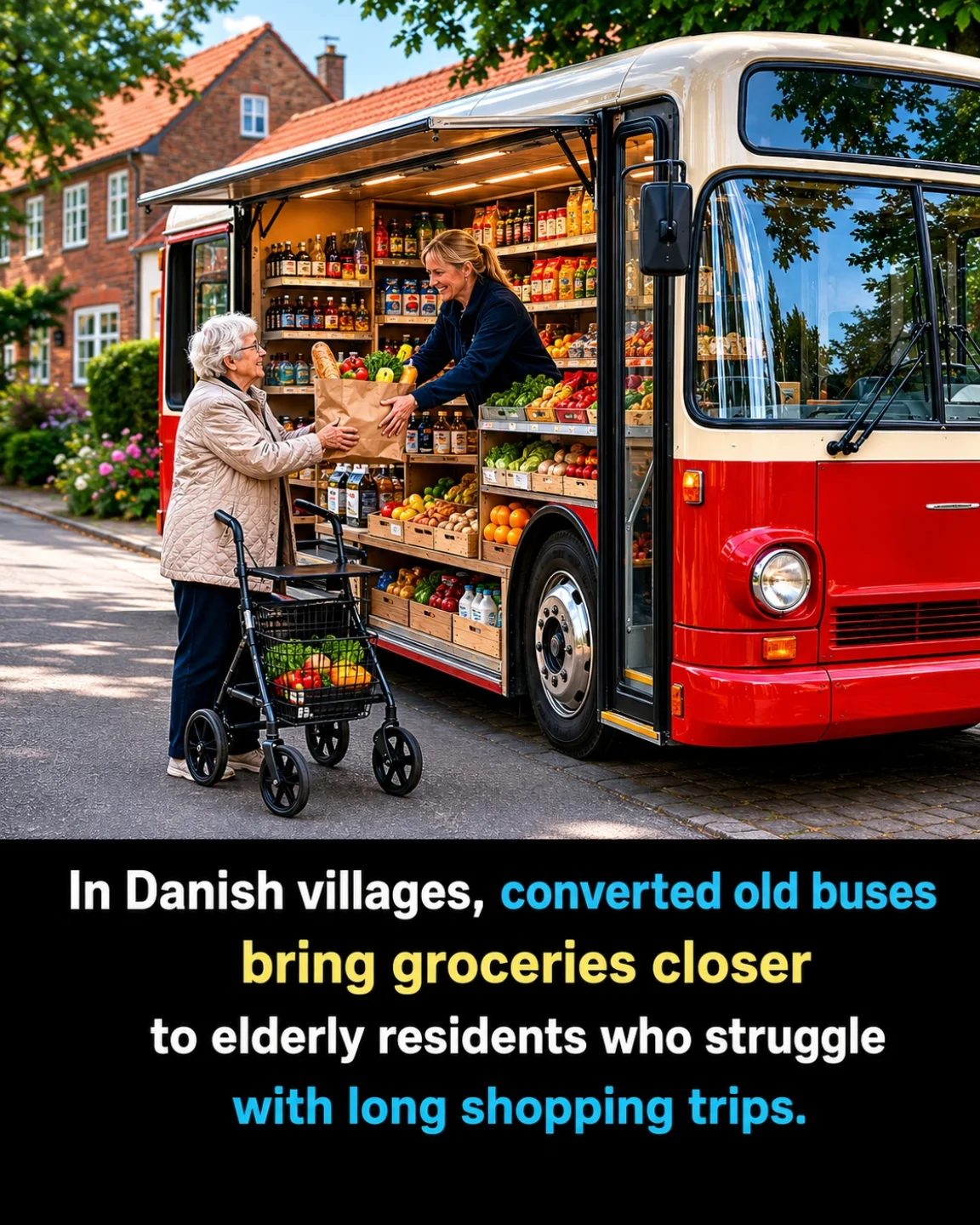
Mobile Grocery Stores: Bringing Convenience to Danish Villages
Converted old buses are driving a new wave of convenience in Danish villages. These mobile grocery stores are designed to bring essential supplies directly to residents, particularly those who struggle with long shopping trips. This innovative approach addresses a common issue faced by many, including elderly residents, who find it challenging to travel to distant supermarkets.
Context / Why This Matters
In rural areas, access to groceries can be a significant challenge. Long distances to the nearest supermarket, limited transportation options, and mobility issues can make shopping a daunting task. This is particularly true for elderly residents who may have difficulty navigating these obstacles. Mobile grocery stores offer a practical solution by bringing the grocery store to the doorstep, ensuring that everyone has access to fresh produce, dairy products, and other essentials.
Main Discussion
The Concept of Mobile Grocery Stores
Mobile grocery stores are essentially grocery stores on wheels. These converted buses are equipped to carry a variety of groceries, from fresh vegetables and fruits to packaged goods and dairy products. The buses are designed to be easily accessible, often featuring ramps and other aids to accommodate those with mobility challenges. This setup makes it easier for residents to pick up their groceries without having to travel far from home.
Bringing Groceries Closer to Home
The primary goal of these mobile grocery stores is to make essentials more accessible. By converting old buses into mobile grocery stores, communities are able to bring groceries right to the heart of the villages. This initiative not only saves time and effort for residents but also ensures that everyone, regardless of their mobility, has access to fresh and healthy food.
Supporting the Elderly Community
Elderly residents are a significant part of the target audience for these mobile grocery stores. Shopping can be physically demanding, especially for those with mobility issues. By bringing the grocery store to them, these initiatives make daily living more comfortable. Elderly residents can get their groceries without the stress of long trips, making their lives more convenient and less taxing.
Practical Tips
If you're considering a mobile grocery store for your community, here are some practical tips to get you started:
Assess Community Needs
Start by assessing the specific needs of your community. Identify the most essential items and the most vulnerable residents who would benefit the most from this service. Tailor the inventory and routes to meet these needs effectively.
Ensure Accessibility
Make sure the mobile grocery store is accessible to everyone. Include ramps, clear signage, and helpful staff to assist those with mobility issues. Ensuring accessibility will make the service more inclusive and beneficial.
Opt for Sustainable Solutions
Consider the environmental impact of your mobile grocery store. Opt for eco-friendly packaging, and use energy-efficient vehicles. Sustainable practices can make your initiative more appealing to environmentally conscious residents.
Important Takeaways
Mobile grocery stores offer a practical solution to the challenges faced by many residents, especially the elderly. By bringing groceries closer to home, these initiatives make daily living easier and more convenient. Whether you're considering starting a mobile grocery store in your community or simply interested in the concept, it's clear that this innovative approach has the potential to make a significant impact.
Conclusion
In Danish villages, the concept of mobile grocery stores is transforming the way communities access essential supplies. By converting old buses into mobile grocery stores, these initiatives are making life more convenient for residents, particularly the elderly. This innovative approach not only addresses mobility issues but also ensures that everyone has access to fresh and healthy food, making daily living easier and more comfortable.
Questions readers ask
Who benefits most from the mobile grocery stores in Danish villages?
The mobile grocery stores primarily benefit elderly residents and those with mobility challenges in Danish villages. These individuals often face difficulties in traveling to distant supermarkets, making the convenience of having groceries delivered directly to their doorstep invaluable.
How are the mobile grocery stores designed to be accessible?
The mobile grocery stores are converted from old buses, ensuring they are wheelchair accessible and easy to navigate for those with mobility aids. This design allows for a comfortable and convenient shopping experience for all residents, regardless of their physical abilities.
What types of items are typically available at the mobile grocery stores?
The mobile grocery stores offer a range of fresh produce and essential items. This includes everyday necessities, ensuring that residents can stock up on groceries without having to make long trips to distant supermarkets.
What challenges do rural residents face when accessing groceries?
Rural residents, especially those in Danish villages, often face challenges such as long distances to the nearest supermarket, limited transportation options, and mobility issues. These factors can make regular grocery shopping a difficult and time-consuming task.
How do mobile grocery stores address the issue of limited transportation?
By bringing groceries directly to residents, mobile grocery stores eliminate the need for travel to distant supermarkets. This service is particularly helpful for those who rely on others for transportation or have difficulty using public transit.
What is the process for residents to get their groceries using this service?
Residents can place their orders in advance, often through a convenient ordering system. The mobile grocery store then delivers the ordered items directly to the residents' homes or designated pick-up points, ensuring a seamless and hassle-free shopping experience.
What are the benefits of converting old buses into mobile grocery stores?
Converting old buses into mobile grocery stores is an environmentally friendly and cost-effective solution. It reduces waste by repurposing existing vehicles and provides a practical way to deliver essential supplies to residents who would otherwise struggle to access them.
Recent articles
Fresh deep dives from the latest Reels we unpacked.




Comments
Be the first to comment.