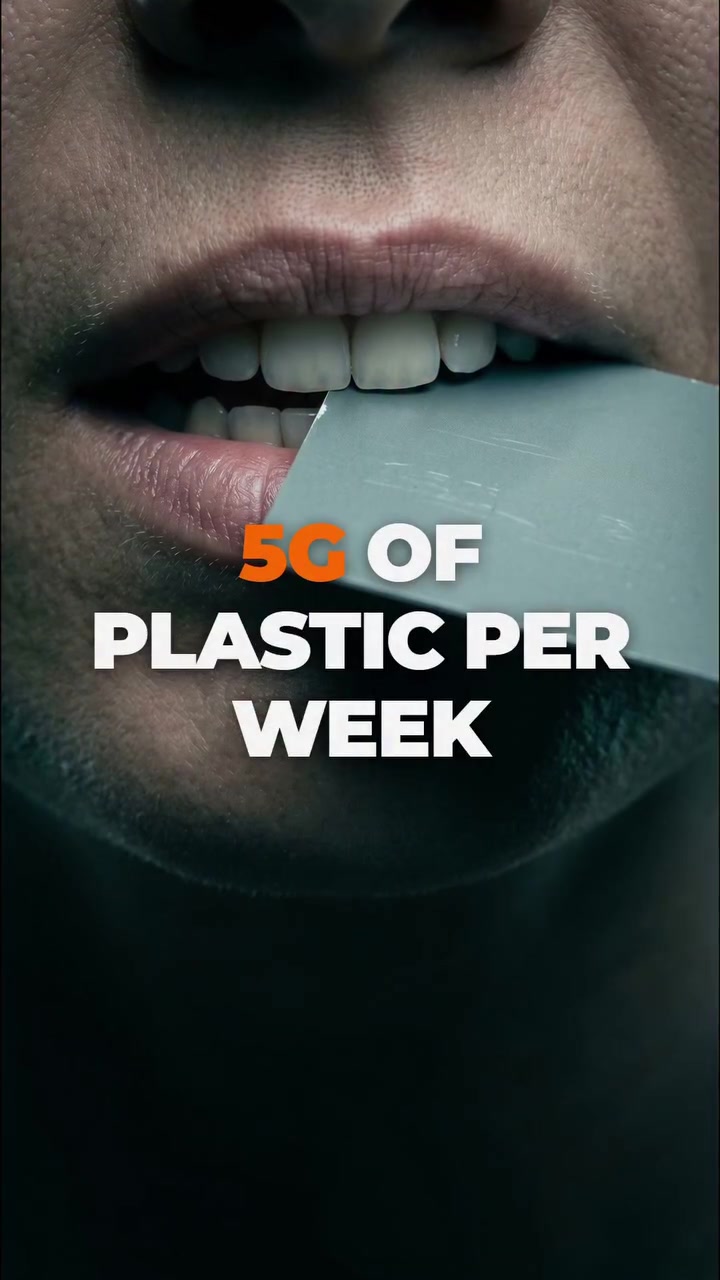
You start the morning by pouring bottled water for your cereal — it’s a routine, but there is a hidden cost. According to the post, you could be ingesting 5 grams of microplastics per week. That’s a sobering figure, especially since a credit card weighs that much. Shouldn't plastic consumption be more tangible? It turns out, nearly every grocery item hides microplastics.
The surprising plastic load in common foods
Microplastics are tiny bits of plastic less than 5 millimeters long that exist in the environment. They come from a variety of sources, including the degradation of larger plastic items and synthetic fibers from clothing. These microplastics find their way into the food supply through various pathways, such as water and packaging materials. They're invisible, tasteless, odorless, and sprinkled throughout your diet. Microplastics can get into water by leaching from plastic bottles and containers. Studies have shown that bottled water, in particular, is a significant source of microplastic ingestion. According to the post, bottled water can contain 94 plastic particles per liter. Fortunately, filtered water at home has basically zero. Microplastics in salt have been documented as well. Unrefined sea salt contains 85% less plastic than refined table salt. Plastic tea bags are also a major culprit, with billions of particles per cup. Loose-leaf tea is the safer option. Plastic cutting boards contribute to the problem, too, adding 50 grams of microplastics to your food every year. Switching to a wood cutboard can alleviate this particular issue. Lastly, packaged produce has 7 times more plastic than fresh, market produce.
How consuming microplastics fits into a growing environmental problem
The presence of microplastics in the food supply is indicative of a broader issue: widespread plastic pollution. These tiny plastic particles have infiltrated ecosystems and food chains, making their way into the diets of humans and animals. The effects of consuming microplastics are not yet fully understood, but they currently include various risks. Microplastics can act as sponges for other pollutants, potentially concentrating and delivering toxins to the human body. They may also cause physical damage to organs, particularly the gastrointestinal tract. More research is needed to fully understand the long-term health impacts of microplastic consumption.
Hidden plastic at home
Microplastics in bottled water pose a significant health risk. The plastic particles can leach into the water from the bottle itself, especially if the bottle is exposed to heat or sunlight. This process is exacerbated by the fact that many bottled water containers are made from polyethylene terephthalate (PET), a type of plastic that is known to degrade over time. Filtering water at home, especially with a system designed to remove microplastics, is a straightforward solution. However, this requires people to adjust their purchasing habits and invest in the right filtration equipment. Choosing reusable bottles also helps reduce plastic waste.
Ingredients vs additives of microplastics in salt
In 2018, researchers conducted a study to compare the mineral content of refined and unrefined salt. They found that refined salt, which is often minimally processed, contains far fewer minerals than unrefined salt. This type of salt is commonly used for cooking and is found in many processed foods. However, the processing of refined salt involves various additives, including anti-caking agents, which can contribute to the presence of microplastics. When unrefined salts, including sea salt and Himalayan salt, are called "less processed," they actually contain fewer additives and minerals. Additionally, some unrefined salts, like sea salt, are directly harvested from natural sources, which can introduce fewer contaminants, including microplastics.
Time for tea
Plastic tea bags are a popular convenience, but their environmental impact is substantial. The plastic used in tea bags is often made from a type of plastic known as polypropylene. This material is designed to be heat-resistant and durable, making it ideal for tea bags. However, when the tea bag is steeped in hot water, the plastic can break down, releasing microplastics into the beverage. The presence of these microplastics in tea is particularly concerning, as tea is often consumed in large quantities and can be consumed throughout the day. Switching to loose-leaf tea is an easy alternative that eliminates the problem of plastic micros.
Cutting board risk
Plastic cutting boards have been a staple in many kitchens due to their durability and ease of cleaning. However, these boards can contribute to microplastic contamination. Plastic cutting boards can release microplastics when they come into contact with food, especially when the board is scratched or damaged. The microplastics can then be transferred to the food being prepared, potentially leading to ingestion. Plastic cutting boards are in widespread use, especially in commercial kitchens, so switching to a wood-based cutting board, or even a glass board, could help mitigate the problem.
Alter your grocery list for better health and the planet
To minimize your intake of microplastics, altering your shopping list can be a start. Opting for filtered water and avoiding plastic-wrapped produce can dramatically cut the amount of plastic you ingest. For tea lovers, loose-leaf varieties are a better option than tea bags. Reduced exposure to microplastics will not only benefit your health but also contribute to a cleaner, more sustainable environment.
- Water: Choose filtered water over bottled.
- Salt: Prioritize unrefined sea salt instead of refined table salt when available. This can significantly reduce your weekly intake of microplastics.
- Tea: Opt for loose-leaf tea rather than tea bags.
- Cutting boards: Transition to a wooden or glass cutting board.
- Produce: Shop fresh and local.
Making better choices
Over time, consumers have developed habits that prioritize convenience and affordability. However, the rise of microplastics in the food chain has highlighted the environmental cost of these choices. By understanding where microplastics come from and making a conscious effort to reduce their intake, consumers can protect their health and the planet. Making these changes can lead you to even more sustainable practices, making your consumption not only healthier but also kinder to the planet.
Questions readers ask
How do microplastics get into our food and water?
Microplastics enter our food and water through various pathways. They can leach from plastic packaging and containers, especially when exposed to heat or sunlight. Additionally, they can come from the degradation of larger plastic items and synthetic fibers from clothing, which then contaminate water sources and food supplies. Even seemingly innocuous items like sea salt and tea bags can harbor these tiny plastic particles.
Why is bottled water a significant source of microplastics?
Bottled water is a significant source of microplastics because the plastic bottles themselves can leach these particles into the water. Studies have found that bottled water can contain up to 94 plastic particles per liter. This is exacerbated by the fact that many bottled water containers are made from polyethylene terephthalate (PET), a type of plastic that degrades over time, especially when exposed to heat or sunlight.
Can switching to filtered water at home reduce microplastic intake?
Yes, switching to filtered water at home can significantly reduce microplastic intake. Home filtration systems, especially those designed to remove microplastics, can effectively eliminate these particles from your drinking water. This makes filtered water a much safer option compared to bottled water, which can contain up to 94 plastic particles per liter.
Are there healthier alternatives to packaged produce?
Yes, there are healthier alternatives to packaged produce. Fresh, market produce has been found to contain 7 times less plastic than packaged produce. By choosing fresh, unpackaged fruits and vegetables, you can significantly reduce your exposure to microplastics. This not only benefits your health but also supports more sustainable and eco-friendly practices.
How does the type of salt affect microplastic content?
The type of salt can indeed affect microplastic content. Unrefined sea salt contains 85% less plastic than refined table salt. This is because the refining process can introduce additional microplastics. Opting for unrefined sea salt can help reduce your intake of these tiny plastic particles, making it a healthier choice.
What are the potential health risks of consuming microplastics?
The health risks of consuming microplastics are not yet fully understood, but current research suggests several potential issues. Microplastics can act as sponges for other pollutants, potentially concentrating and delivering toxins to the human body. They may also cause physical damage to organs, particularly the gastrointestinal tract. More research is needed to fully comprehend the long-term impacts, but it’s clear that reducing exposure is a prudent step.
Related deep dives
Similar reads based on topic and creator.



Recent articles
Fresh deep dives from the latest Reels we unpacked.




Comments
Be the first to comment.