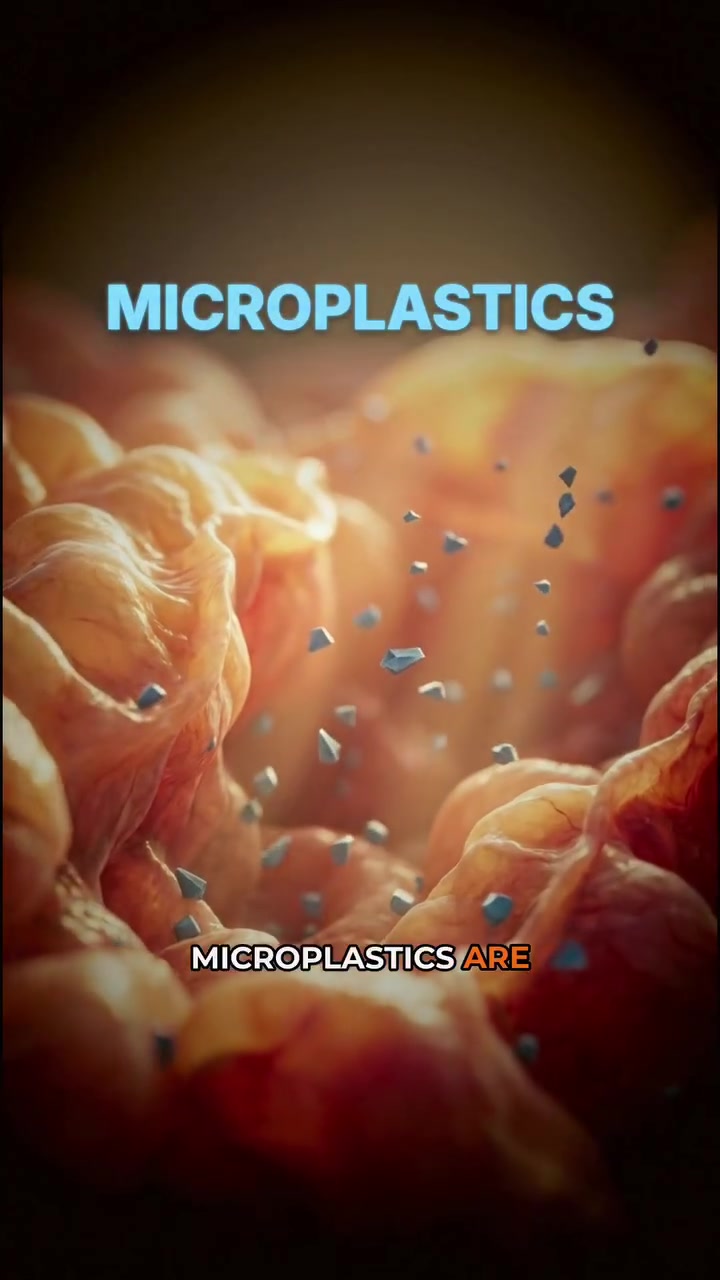
Erring on the side of caution against invisible microplastics is no longer an option. Their presence in human tissues, including human bodies, might be irrefutable due to ongoing studies. Researchers have located them in, urine, and also tissue, with a recent study highlighting a 45 per cent rise. A good range of methods have been proposed to eliminate microplastics from the body. Microplastics are minute plastic particles, measuring less than 5mm, and encompass shapes like fibers, beads, and fragments. They enter the body via inhaled air, ingested food and water, and absorbed through the skin. Most commonly, they are composed of polyethylene terephthalate (PET), typically found in plastic bottles, and high-density polyethylene (HDPE), used in toys and milk containers. Microplastics can't be digested and remain in the gut or lymph nodes, and may also become embedded in other tissues, meaning the body is unable to break them down and eliminate them. These particles could harm the body in several ways. They can act as carriers for harmful chemicals, such as BPA and phthalates, which can potentially impact the body's hormonal system. Additionally, they could damage cells and cause inflammation, heightened immune responses, and altered gene activity. Researchers have identified some effective methods to combat the buildup of microplastics in the body. Among these, kimchi stands out as a promising solution. A study published in Bioresource Technology 2026 revealed that a specific bacterium found in kimchi effectively binds to nanoplastics in the gut. In mice studies, this bacterium led to the elimination of more than twice the amount of plastic compared to those in the control group, highlighting its potential in mitigating microplastic buildup.
What is it, and how it works?
Microplastics are increasingly pervasive in the environment. They originate from a variety of sources, including the breakdown of larger plastic and manufactured products designed to be microscopic, such as cosmetics and industrial formulations. Once ingested or inhaled, microplastics remain in the body as it lacks the means to digest and eliminate them. Microplastics accumulate in the body and eventually end up in one of several tissues. They can aggregate and form crystalline structures in the liver, spleen and lymph nodes. However, it is not the plastic itself that poses the most significant threat. The issue arises when these particles carry harmful chemicals, allowing them to reach tissues that they otherwise would not access.
When you can't fight the plastic, bind it
These particles absorb chemicals and are not susceptible to digestion. However, certain substances can bind to them. The bacterium in kimchi may work by absorbing these particles and precipitating out of solution, and therefore facilitating increased excretion. In a similar fashion, chitosan binds the plastic particles in a way that facilitates their elimination.
Research reveals how to tackle microplastics
Kimchi's unexpected health benefits
Kimchi's benefits extend beyond its antioxidant properties. Research from 2026 highlights kimchi as a potential solution in eliminating microplastics from the body, which adds to our understanding of its potential health benefits. As researchers continue to investigate its properties, kimchi could have an important role in mitigating the effects of microplastics on the body, especially as a food that many already consume frequently and eagerly. This bacterium absorbs and binds to the microplastics, facilitating their removal. It suggests that kimchi, a common and widely eaten food, can address this modern challenge to human health.
Chitosan makes the particles easy to eliminate
Chitosan, a dietary fiber extracted from crab shells, can be effective in addressing microplastic accumulation. In a study published in Foods 2025, ten participants supplemented with chitosan before a meal experienced a 45 percent increase in microplastics eliminated. Chitosan works similarly to the bacterium in kimchi in that it binds to microplastics. The resulting binding facilitates the elimination of microplastics through excretion. This research provides a promising approach to reducing microplastic buildup, although further studies are needed to validate its efficacy.
Sweat it out
The sweat itself does not contain the microplastics, but it can carry the chemicals that plastic leaches into the body, including BPA and phthalates, which are associated with hormonal disruption. Therefore, while sweating does not eliminate microplastics, it can help reduce the harmful chemicals that the body has absorbed. It may be worth investing in regular sauna sessions.
From passageways to traps
While the research on microplastics inside tissues is extensive, little is known about how these particles accumulate in the body and what mechanisms move them through the body. One mechanism involves the lymphatic system. This network of vessels and nodes carries fluids and waste products through the body. Lymphatic vessels encompass the entire gut. The liver, spleen, and lymph nodes quickly accumulate plastic. The lymphatic system carries toxins and waste from the gut, where they may accumulate in the liver, spleen, and lymph nodes. The lymphatic system is an important pathway, allowing plastic to move through the body, and potentially enter other tissues.
What would a diet high in microplastics look like?
Foods that contain microplastics include:
- Bottled water
- Tinned foods
- Seafood, with fish likely to have ingested plastic too
- Salad and leafy greens if cleaned with water that contains plastic
- Packaged foodstuffs and confectionery
- People who rely heavily on packaged foods may be at a greater risk. However, the health risks associated with plastics are common among all demographics. Bottled water is a significant source, as the plastic from the bottle can leach into the water, even when the bottle is new. This is more likely when the bottle has been heated or left in the sun for prolonged periods of time.
Questions readers ask
What are the most common types of microplastics found in the body?
The most common types of microplastics found in the body are polyethylene terephthalate (PET), often from plastic bottles, and high-density polyethylene (HDPE), used in toys and milk containers. These particles are typically smaller than 5mm and can be in the form of fibers, beads, or fragments.
How do microplastics enter the human body?
Microplastics can enter the human body through various means, including inhalation, ingestion via food and water, and absorption through the skin. Once inside, they can accumulate in tissues and potentially cause harm.
What are the potential health impacts of microplastics in the body?
Microplastics can act as carriers for harmful chemicals like BPA and phthalates, which can disrupt the body's hormonal system. They may also cause cell damage, inflammation, heightened immune responses, and altered gene activity.
What are the most promising methods to reduce microplastics in the body?
One of the most promising methods is the consumption of kimchi, which contains a bacterium that binds to nanoplastics in the gut, facilitating their elimination. Additionally, substances like chitosan have shown potential in binding to microplastics and aiding in their removal.
How effective is kimchi in reducing microplastics in the body?
Studies have shown that the bacterium in kimchi can significantly increase the elimination of microplastics. In mice studies, it led to the removal of more than twice the amount of plastic compared to the control group, highlighting its potential effectiveness in reducing microplastic buildup.
Can other foods or substances besides kimchi help reduce microplastics in the body?
While kimchi has shown promising results, other substances like chitosan have also been identified as potential binders of microplastics, aiding in their elimination from the body. Further research is needed to explore additional dietary or substance interventions.
Are there any ongoing studies or research initiatives focused on microplastics in the human body?
Yes, scientists are actively investigating ways to reduce microplastics in the body. Ongoing studies are exploring various methods, including dietary interventions and the use of binding agents, to mitigate the buildup of these potentially harmful particles.
Related deep dives
Similar reads based on topic and creator.



Recent articles
Fresh deep dives from the latest Reels we unpacked.




Comments
Be the first to comment.