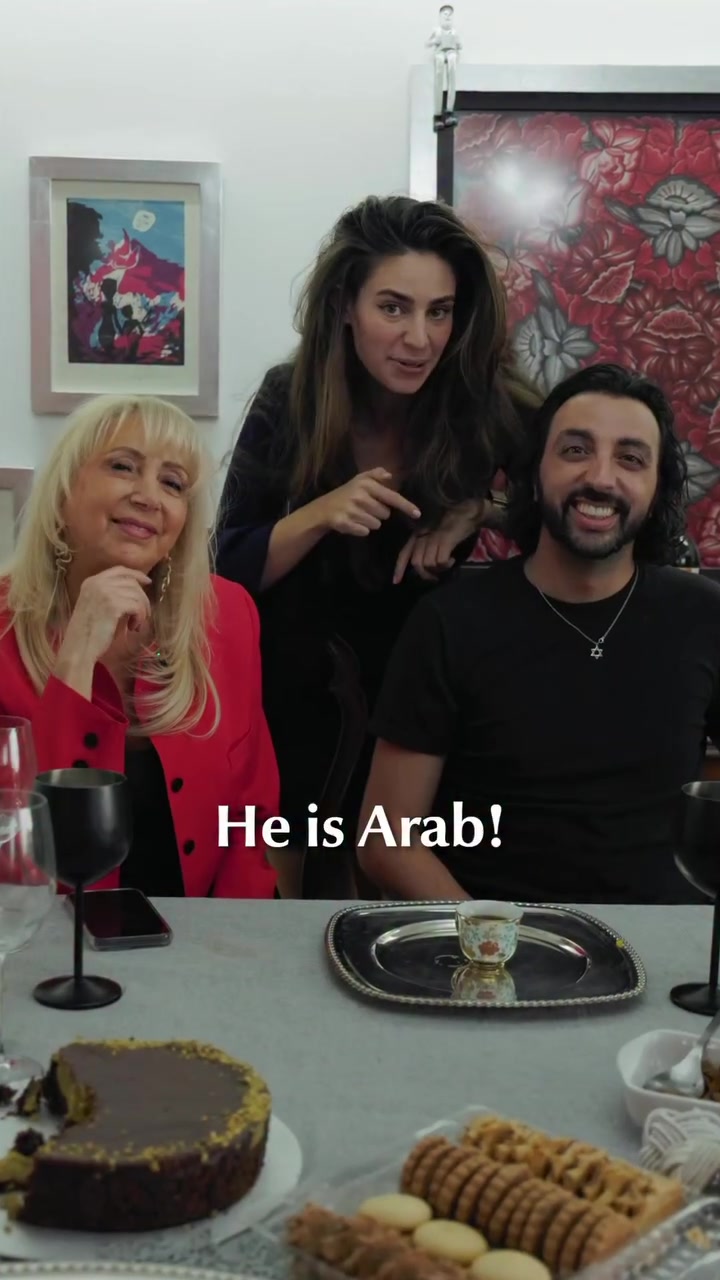
Judaeo-Arab Mexicans: Living on the border of identities
Mexico is many things — not least is it home to the remnants of the Middle East's Jewish refugee communities. This cultural confluence is most pronounced in the country’s Judaeo-Arab community, a vibrant group whose heritage radiates with a dual Middle Eastern and Mexican identity. Their elders often recount the family's desertion of the Middle East a century ago, many speaking Arabic as a first language. They are notable for the strength of their identity, preserving Judeo foundations, and Arab customs.
Trauma and Transition
In the Arab world, from Syria, Lebanon, Iraq and Turkey, centuries-old Jewish communities were torn apart by persecution - it could have erased them from history. Yet the community survived, thriving in a new homeland despite a century of strife. Part of the reason for their survival is their ability to preserve traditions by bringing them to new lands. Many of them came to Mexico, bringing everything from food and prayer to language. But what exactly positions the Judaeo-Arab community as special isn't just their resilience and ability to rebuild. It's the identity that flourishes from this precarious border between three distinct cultures. Many of the community members have fond memories of ‘parent’s food’. “Here we have some knafe, shabiyat, and atayu, which are Arab desserts," is one of the most common memories. But the group is much more than these stories. Their business acumen is evident in iconic establishments like Comex and Caltex, Casa Sabah. It speaks to how the history of traumatic displacement didn’t stop the community. Instead, it created a unique identity that embraces this kind of duality. It rather creates an identity that is liberal in the sense that it accepts the pluralistic nature of cultures to flourish in a new land.
Living in three worlds
The most intriguing aspect of this community is not who they are, but how they create, experience, and maintain their identity. The Judaeo-Arab community has a documented culture of living between two worlds. They cherish their Arabic heritage while proudly being Mexican, but they don’t limit themselves there, they also embrace their Jewish identity.
Bridging the gap
They blend their faiths, but also distinctly identify themselves as Arab and Mexican. These identities are cherished and celebrated. Their food, language, and prayers blend seamlessly to allow their community to thrive, but also have a firm base in Arabic identity. The use of phrases like “Ahlan Wahlan” and speaking Arabic serve as markers in their identity structure. It’s not just about memory. In their homes, identity is celebrated and through this identity, they thrive.
The sweetness of heritage
The preservation of identity is not just a case of remembering. Their oral history often accompanies storytelling as a way to help the person discover themselves. Family history often runs parallel, but a richly detailed history of how they came to Mexico is also what makes them special. The careful preservation of one’s identity and history often takes the form of food. This food is a marker of history. The host would paint a vivid picture of how these foods have long been tethers to their identity but also, how they have acted as an intermediary. Arab cuisine is rich in tradition, and knafe, shabiyat, and atayu help them connect with their past.
The language of adaptability
Another element that speaks to their identity is language. Unguarded testimonies often point to how Arabic is a marker of identity. It helps them separate themselves from not just Mexicans but also from the Jewish community in Mexico. It gives them a unique identity. It’s also a marker of their Arabic heritage. An example of this is how they use it in their everyday life. “I came all the way to Mexico to meet the Jews of Mexico” is a phrase that often repeats itself. What makes this unique is that the phrase is said with pride. Their community identity is tied to their Arabic heritage.
Identity in Mexico
The way their identity is shaped and preserved in often through food, language, prayer, and memory. Like their food, language, and history intertwine to create a unique Mexican identity. They embrace the multiple facets of their identity. This fluid existence that has been created because of their stated presence in a land that is not their own but has now become home, is what makes them special.
Why the community matters
But what makes the story of the Judaeo-Arab community in Mexico so fascinating is not just its ethnic and religious pluralism. It's the singular way that the community has embraced this rupture and multitude, making them thrive, despite the odds. This unique community tells a story of how identity can be preserved in the face of strife. Their identity encompasses multiple cultures and gives them an understanding of the plurality of their being.
Searching for family heritage
Trying to find out more about family heritage can be a wonderful way to connect with your roots.
- Reading books: Look for books on Judaeo-Arab heritage. This will help you understand the culture, traditions, and history of the Judaeo-Arab community. It will also help you understand the hardships and successes of the community.
- Communicating with elders: Spend time with the elders in the Judaeo-Arab community. They will be able to give you firsthand accounts and stories that will help you understand the community’s history and culture.
- Cooking with family: Spend time cooking traditional Judaeo-Arab food with your family. This will help you understand the community’s food culture and traditions. It will also help you bond with your family.
- Commemorative days: Try to participate in events like Rosh Hashanah and Yom Kippur. These events will give you an understanding of the community’s religious traditions. They will also allow an understanding of how their identity is formed.
Like a river, identity flows
The Judaeo-Arab community in Mexico is a beautiful example of how identity through its history can also make a home. It shows us that identity is fluid and not a static thing. Identity can be formed, lost, and found, but it’s very important to remember, that while it is fluid, it is very firmly rooted in history and tradition. The community exemplifies the ways that these traditions are maintained, preserved, and celebrated. It also creates an understanding of how history can be a link between the past and the present, but also how traditions and customs can be preserved and kept alive.
Questions readers ask
How did the Judaeo-Arab community in Mexico manage to preserve their cultural heritage despite moving to a new land and experiencing persecution in the Middle East?
The Judaeo-Arab community in Mexico managed to preserve their cultural heritage by bringing their traditions, including food, language, and prayers, to their new homeland. Their resilience and ability to rebuild, along with their embrace of a pluralistic identity, allowed them to thrive despite the trauma of displacement. Many community members fondly remember traditional Arab desserts and have established iconic businesses, showcasing their business acumen and cultural adaptability.
What are some of the unique aspects of the Judaeo-Arab community's identity in Mexico?
The Judaeo-Arab community in Mexico uniquely blends their Middle Eastern, Mexican, and Jewish identities. They cherish their Arabic heritage, proudly identify as Mexican, and embrace their Jewish faith. This duality is evident in their use of Arabic phrases, their food, and their oral history, which helps them maintain a strong sense of identity and thrive in their new homeland.
How do the Judaeo-Arab community's food traditions reflect their cultural heritage?
Food plays a significant role in the Judaeo-Arab community's cultural heritage. Traditional Arab desserts like knafe, shabiyat, and atayu are cherished memories and markers of their history. The community's oral history and storytelling often revolve around food, helping them discover and preserve their identity. Food is not just a source of sustenance; it is a vital link to their past and a celebration of their unique heritage.
How does the Judaeo-Arab community in Mexico balance their multiple identities?
The Judaeo-Arab community balances their multiple identities by embracing a pluralistic approach. They seamlessly blend their Arabic, Mexican, and Jewish identities through language, food, and prayers. This duality allows them to thrive in a new land while maintaining a strong sense of their cultural heritage. Their identity is celebrated and cherished, and it serves as a foundation for their community's success and resilience.
What role does language play in the Judaeo-Arab community's identity in Mexico?
Language is a crucial marker of the Judaeo-Arab community's identity. Many community members still speak Arabic as their first language, and phrases like ‘Ahlan Wahran’ are used to maintain a connection to their Arabic heritage. This linguistic heritage is celebrated in their homes and serves as a reminder of their roots, helping them thrive in their new homeland while preserving their unique cultural identity.
Related deep dives
Similar reads based on topic and creator.

Recent articles
Fresh deep dives from the latest Reels we unpacked.



Comments
Be the first to comment.