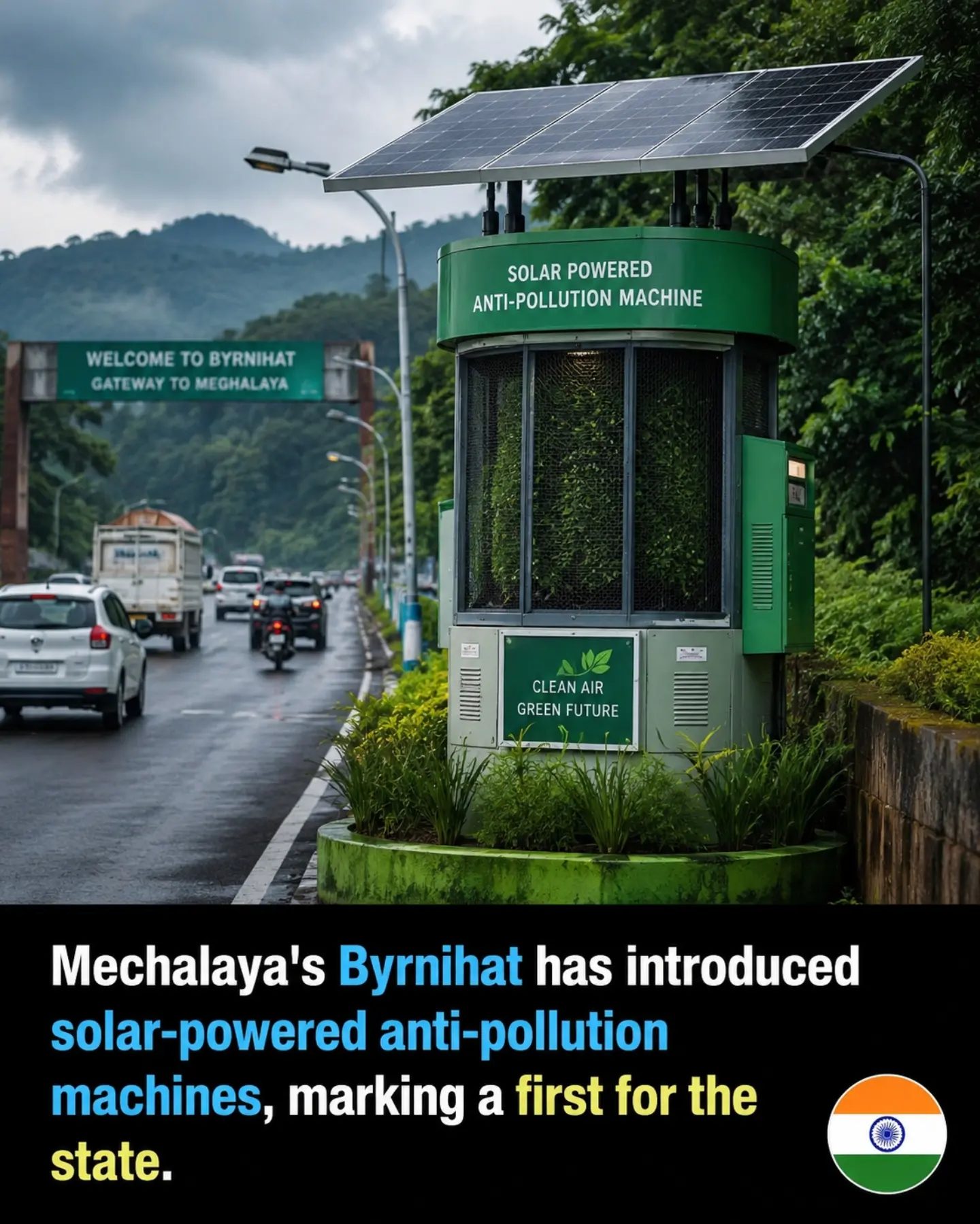
Solar-Powered Anti-Pollution Machines: Clean Air and a Green Future
Meghalaya's Byrnihat has embarked on an innovative journey with the introduction of solar-powered anti-pollution machines. These machines mark a significant first for the state, offering a promising solution to combat air pollution while promoting a sustainable future.
Why This Matters
Air pollution is a global concern, affecting public health and the environment. The introduction of solar-powered anti-pollution machines in Meghalaya is a step towards addressing this critical issue. These machines harness renewable energy, making them an eco-friendly solution. Additionally, they align with Meghalaya's broader goals of environmental sustainability and cleaner air.
Understanding Solar-Powered Anti-Pollution Machines
How They Work
Solar-powered anti-pollution machines operate on sunlight, making them a sustainable choice. These machines are designed to capture and filter out harmful pollutants from the air. They use advanced filtration technologies to remove particulate matter, gases, and other pollutants. The solar panels power the machinery, ensuring it operates without emitting additional pollutants or requiring fossil fuels.
Benefits of Solar Power
Utilizing solar power offers several advantages. It is a renewable energy source, meaning it will not deplete over time. It also reduces reliance on fossil fuels, which are major contributors to air pollution. Solar power is clean, producing no greenhouse gases or harmful emissions during operation. By harnessing solar energy, these machines can operate efficiently even in remote or resource-limited areas, making them ideal for various environments.
Environmental Impact
The environmental benefits of solar-powered anti-pollution machines are substantial. By reducing air pollution, these machines contribute to cleaner air, which has significant health benefits. Lower levels of particulate matter and harmful gases can reduce respiratory diseases, cardiovascular issues, and other health problems associated with poor air quality. Additionally, these machines promote a greener future by reducing reliance on fossil fuels and encouraging the use of renewable energy.
Economic Advantages
The economic benefits extend beyond environmental improvements. Solar-powered anti-pollution machines can reduce healthcare costs associated with air pollution-related illnesses. They also create job opportunities in installation, maintenance, and related services. These machines can serve as a model for other regions looking to adopt similar sustainable technologies, potentially boosting local economies through innovation and investment.
Practical Tips for Implementing Solar-Powered Anti-Pollution Machines
Implementing solar-powered anti-pollution machines requires a strategic approach. Here are some practical tips to ensure successful deployment:
Assessing Needs and Locations
Before installation, it's crucial to assess the specific air pollution issues in different areas. Identify locations with high levels of particulate matter, vehicle exhaust, and industrial pollutants. These areas will benefit the most from the installation of anti-pollution machines.
Ensuring Power Supply
Since these machines are solar-powered, it's essential to ensure they have adequate sunlight exposure. Proper placement and orientation of the solar panels can maximize energy capture. Additionally, consider backup power sources or energy storage solutions for periods of low sunlight or cloudy weather.
Maintenance and Monitoring
Regular maintenance is essential to keep the machines functioning optimally. This includes cleaning the solar panels and filters, checking for any mechanical issues, and ensuring the overall system is in good working order. Implement a monitoring system to track air quality improvements and the performance of the machines. This data can help in making necessary adjustments and planning future expansions.
Important Takeaways
The introduction of solar-powered anti-pollution machines in Meghalaya represents a significant step towards cleaner air and a sustainable future. These machines offer a practical, eco-friendly solution to combat air pollution. The benefits extend beyond environmental improvements, including economic advantages and health benefits. By adopting similar technologies, other regions can also work towards a greener future.
Conclusion
Solar-powered anti-pollution machines provide a viable solution to air pollution, offering numerous environmental, health, and economic benefits. Meghalaya's initiative sets a positive example for other regions looking to adopt sustainable technologies. As we move towards a greener future, embracing innovative solutions like these will be crucial in our collective effort to improve air quality and promote a sustainable environment.
Questions readers ask
What are solar-powered anti-pollution machines and how do they work?
Solar-powered anti-pollution machines are devices that use energy from the sun to filter out harmful pollutants from the air. They work by drawing in air, passing it through filters that capture pollutants, and then releasing clean air back into the environment. These machines are particularly effective in areas with high levels of air pollution.
Why is Meghalaya using solar-powered anti-pollution machines?
Meghalaya is using solar-powered anti-pollution machines to address the issue of air pollution in the state. By harnessing renewable energy, these machines provide a sustainable solution to improving air quality. The initiative also aligns with Meghalaya's broader environmental goals.
What makes Byrnihat's initiative unique?
Byrnihat's initiative is unique because it is the first of its kind in Meghalaya. The town has introduced solar-powered anti-pollution machines to combat air pollution, marking a significant step towards a greener future for the state. This initiative sets a precedent for other regions in India looking to implement similar clean air projects.
How do these machines contribute to a green future?
These machines contribute to a green future by using renewable energy from the sun to operate. This reduces dependence on fossil fuels and lowers greenhouse gas emissions. Additionally, by cleaning the air, these machines help to mitigate the health impacts of air pollution, promoting a cleaner and healthier environment.
What are the benefits of using solar energy for pollution control?
Using solar energy for pollution control offers several benefits. It is a clean and abundant energy source, making it a sustainable solution for powering anti-pollution machines. Solar energy also reduces operating costs, as it is free once the initial setup is complete, and it decreases reliance on traditional power sources that contribute to pollution.
How can other regions in India learn from Meghalaya's initiative?
Other regions in India can learn from Meghalaya's initiative by understanding the effectiveness of solar-powered anti-pollution machines in reducing air pollution. They can replicate this model by investing in similar technology and promoting the use of renewable energy for pollution control. Collaboration and knowledge-sharing can further enhance the impact of such initiatives across the country.
What are the expected outcomes of implementing solar-powered anti-pollution machines in Meghalaya?
The expected outcomes include improved air quality, reduced health risks associated with pollution, and a more sustainable environment. Over time, these machines can help lower pollution levels, making Meghalaya's air cleaner and promoting better public health. Additionally, the project will demonstrate the viability of renewable energy solutions for pollution control.
Related deep dives
Similar reads based on topic and creator.




Recent articles
Fresh deep dives from the latest Reels we unpacked.




Comments
Be the first to comment.