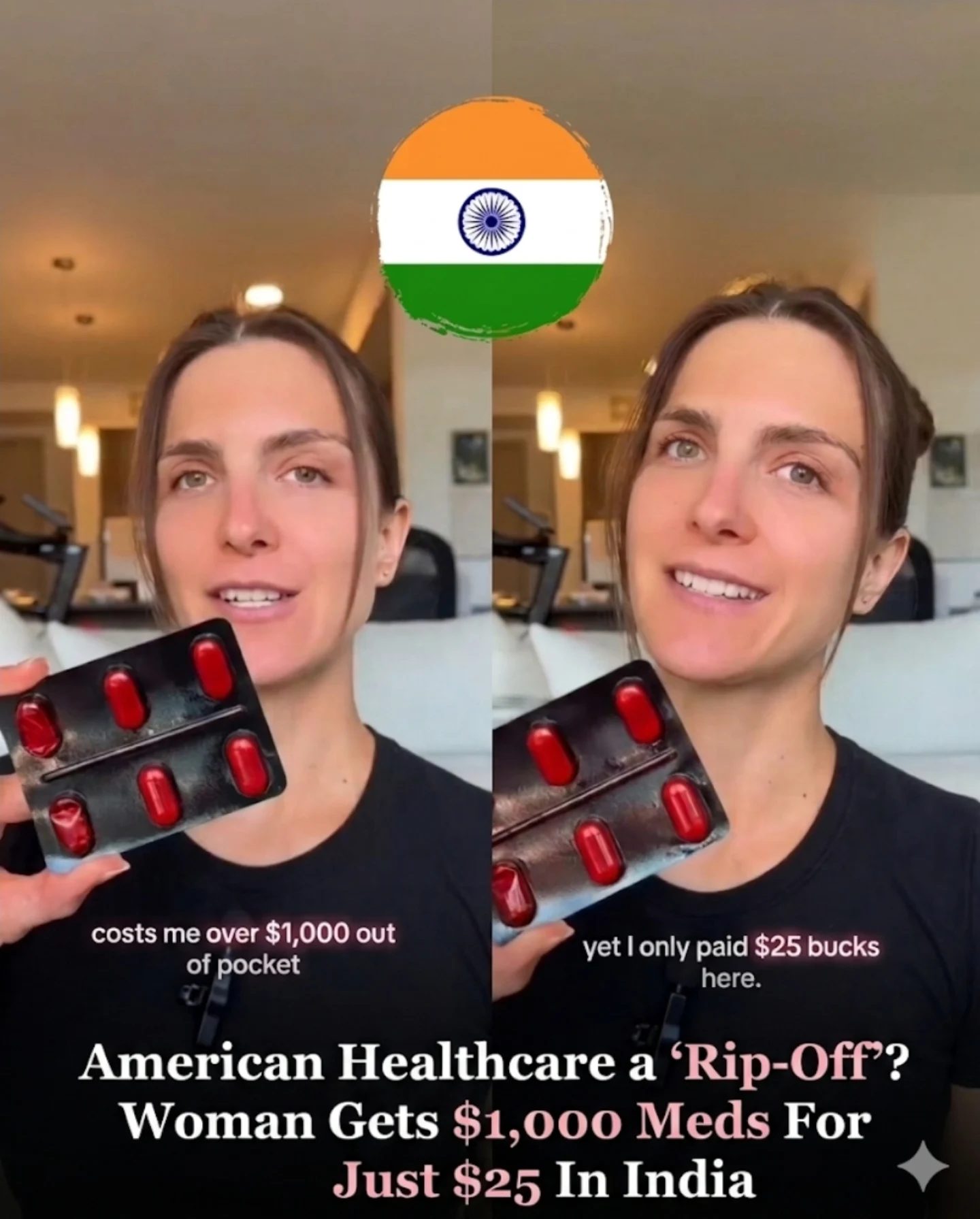
Healthcare Cost Comparison: United States vs. India
Prescription drug pricing can vary dramatically between countries, and the difference between the United States and India is striking. The cost of the exact same medication can be over $1,000 out-of-pocket in the U.S. but only $25 in India.
Why This Matters
This disparity in medication costs highlights a broader issue in global healthcare economics. Understanding the reasons behind these cost differences can provide valuable insights into the complexities of healthcare systems around the world.
Generic Manufacturing Leadership in India
India is renowned as the "pharmacy of the world." This reputation is well-deserved, as the country produces high-quality generic medications at a fraction of the cost compared to many other nations. Several factors contribute to India's leadership in generic drug manufacturing:
Lower Production Overhead
India's lower production costs are a significant factor in its ability to offer affordable medications. This includes lower labor costs, cheaper raw materials, and more efficient manufacturing processes. These cost savings are passed on to consumers, making generic medications more accessible.
Robust Domestic Manufacturing Infrastructure
India has a well-established infrastructure for pharmaceutical manufacturing. The country is home to numerous generic drug manufacturers that produce a wide range of medications. This infrastructure allows for economies of scale, further reducing the cost of production.
Government Support and Regulations
The Indian government plays a crucial role in supporting the pharmaceutical industry. Policies and regulations are designed to encourage the production of generic drugs, ensuring that the pharmaceutical sector can thrive without compromising on quality.
U.S. Healthcare System Costs
In contrast, the U.S. healthcare system relies on a complex, decentralized pricing structure. Several factors contribute to the high cost of medications in the United States:
Pharmaceutical Patents
The U.S. has stringent patent laws that protect pharmaceutical companies' intellectual property. While these laws encourage innovation, they also prevent generic manufacturers from producing and selling cheaper alternatives for extended periods. This results in higher prices for consumers.
Lack of Centralized Government Price Controls
Unlike many other countries, the U.S. does not have centralized government controls on drug prices. This allows pharmaceutical companies to set prices based on market demand and competition. Unfortunately, this often leads to high out-of-pocket costs for consumers.
Multi-layered Supply Chains
The U.S. healthcare system involves multiple layers of supply chains, including pharmaceutical companies, pharmacy benefit managers (PBMs), and insurance providers. Each layer adds to the overall cost of medications, often inflating out-of-pocket expenses for consumers.
The Role of Medical Tourism
The dramatic price difference in medication costs between the U.S. and countries like India has fueled a growing trend in medical tourism. This practice involves citizens from developed nations traveling abroad to access affordable, life-saving treatments. Medical tourism allows individuals to receive high-quality care at a fraction of the cost they would pay at home.
Benefits of Medical Tourism
For many, medical tourism offers a cost-effective solution to expensive healthcare. Patients can save significant amounts of money on treatments, medications, and procedures. Additionally, travelers can benefit from shorter wait times and access to specialized treatments that may not be available in their home countries.
Considerations for Medical Tourism
While medical tourism can be a viable option, it is essential to consider several factors:
- Safety and Quality of Care: Ensure that the medical facilities and healthcare providers abroad meet high standards of care and safety.
- Travel and Recovery: Be prepared for the physical and emotional challenges of traveling for medical treatment.
- Legal and Insurance Considerations: Understand the legal and insurance implications of seeking medical treatment abroad.
Practical Tips for Navigating Healthcare Costs
For those looking to navigate the complex landscape of healthcare costs, consider the following practical tips:
Research and Compare Costs
Before commencing treatment, research and compare the costs of medications and procedures in different locations. This can help identify more affordable options without compromising on quality.
Explore Insurance Options
Review your insurance coverage and consider additional plans that may offer better coverage for prescriptions and medical treatments. Some insurance plans may provide significant savings on out-of-pocket expenses.
Consult with Healthcare Providers
Consult with healthcare providers to explore alternative treatment options or generic medications. Healthcare providers can offer valuable insights and recommendations tailored to your specific needs.
Important Takeaways
The stark disparity in prescription drug pricing between the United States and international markets, particularly India, underscores significant systemic issues within global healthcare economics. Understanding the factors driving these cost differences can empower individuals to make informed decisions about their healthcare.
Recognize the Value of Generic Medications
Generic medications offer a cost-effective alternative to brand-name drugs. By opting for generic medications, consumers can save significant amounts of money without compromising on quality.
Explore Medical Tourism
For those facing high out-of-pocket costs for medical treatments, medical tourism can be a viable option. Traveling to countries with lower healthcare costs can provide access to affordable, life-saving treatments.
Advocate for Healthcare Reform
Raising awareness about the high cost of healthcare and advocating for reforms can help bring about meaningful change. By supporting initiatives aimed at lowering drug prices and improving access to affordable healthcare, individuals can contribute to a more equitable healthcare system.
Conclusion
The comparison of healthcare costs between the United States and India highlights the complex factors influencing prescription drug pricing. The U.S. healthcare system's reliance on pharmaceutical patents, lack of centralized government price controls, and multi-layered supply chains contribute to higher out-of-pocket expenses for consumers. In contrast, India's leadership in generic drug manufacturing, lower production overhead, and robust domestic infrastructure make medications more accessible and affordable.
Understanding these differences can provide valuable insights for individuals navigating the healthcare landscape. By exploring alternative treatment options, considering medical tourism, and advocating for healthcare reform, individuals can take proactive steps to address the challenges posed by high healthcare costs.
Questions readers ask
Why are prescription drugs so much cheaper in India compared to the United States?
The primary reason is that India is a leading producer of generic medications. Generics are cheaper because they do not require the same level of research and development investment as brand-name drugs. Additionally, the cost of manufacturing and regulatory environments differ significantly between the two countries.
What makes India known as the 'pharmacy of the world'?
India's pharmaceutical industry is renowned for its extensive production of generic medicines. It supplies a significant portion of the world's generic drug needs, which are essential in providing affordable healthcare solutions globally.
How do the cost differences in medication pricing affect healthcare affordability?
The cost differences in medication pricing affect affordability by making essential drugs more accessible to a larger population in countries like India. In the United States, high drug prices can lead to financial strain and reduced access to necessary treatments.
Are the drugs manufactured in India as effective as those in the United States?
Yes, Indian-manufactured drugs are subject to stringent quality control standards and are often approved by regulatory bodies worldwide. Many international organizations, including the World Health Organization, recognize the quality of Indian pharmaceuticals.
What role does government regulation play in drug pricing differences?
Government regulations significantly impact drug pricing. In India, price controls and competitive market dynamics help keep drug prices low. In contrast, the U.S. has different regulatory environments and patent laws that can lead to higher prices, especially for brand-name medications.
Can Americans purchase medications from India legally?
While it is technically legal for Americans to purchase medications from India, it is important to do so through licensed and reputable pharmacies. Importing drugs without proper authorization or from unlicensed sources can be dangerous and illegal.
How do patent laws influence the cost of drugs in the United States and India?
Patent laws in the U.S. often grant pharmaceutical companies long periods of exclusivity, allowing them to set high prices. In India, patent laws and regulations are more stringent, which helps keep drug prices lower by promoting generic competition and faster introduction of generics into the market.
Related deep dives
Similar reads based on topic and creator.



Recent articles
Fresh deep dives from the latest Reels we unpacked.




Comments
Be the first to comment.