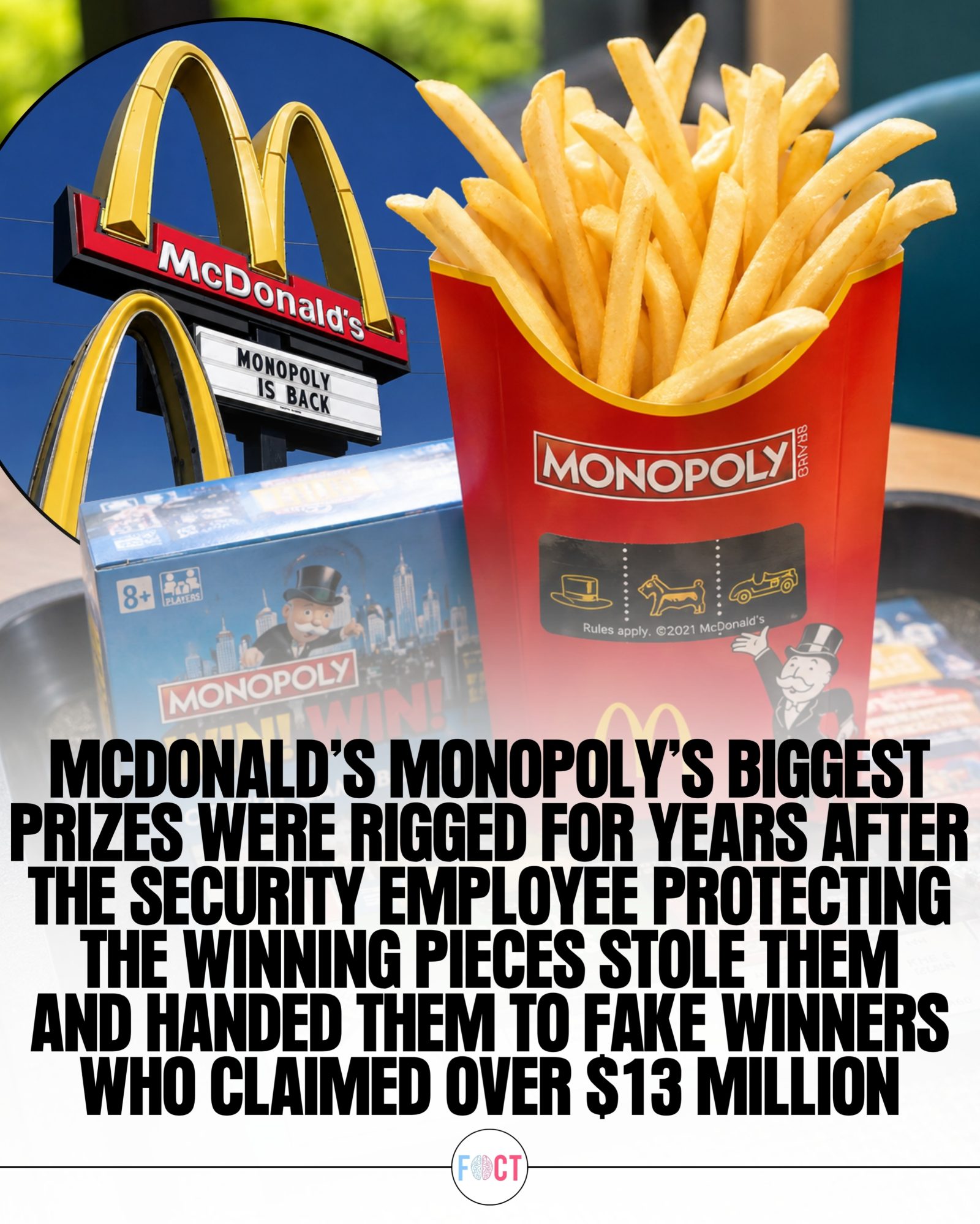
McDonald's Monopoly Scandal
McDonald's Monopoly game, a beloved promotion that has captivated customers for decades, has a dark chapter in its history. For years, the game's biggest prizes were rigged, and a security employee played a central role in the scandal. This is the story of how millions of customers were unwittingly involved in a fraudulent scheme.
Context / Why this matters
The McDonald's Monopoly scandal is more than just a tale of corporate misdeeds; it's a reminder of how carefully orchestrated deceptions can operate even in the most trusted spaces. The scandal involved millions of customers who participated in the game, believing they had a fair shot at winning big prizes. The revelation of the fraud not only shocked the public but also raised questions about the integrity of promotional games and the measures taken to protect them.
Main discussion
The Setup
McDonald's Monopoly game has been a staple of the fast-food chain's marketing strategy for decades. The game involves collecting game pieces from McDonald's purchases, with each piece representing a property from the classic board game Monopoly. Customers could win various prizes, ranging from small items to significant rewards like cars and even cash prizes.
The Fraud Unveiled
The scandal began when Jerome Jacobson, the security employee tasked with protecting the rare winning pieces, decided to steal them. Instead of securely storing the valuable game pieces, Jacobson passed them to friends and recruiters who found people willing to pose as legitimate winners. These fake winners then claimed the prizes and shared the money with the network.
The Scale of the Fraud
By the time the FBI exposed the scheme in 2001, the scale of the fraud was staggering. Fraudulent winners had claimed more than $13 million in prizes. Jacobson’s associates had controlled nearly all of the game’s major winning pieces for years. The theft and redistribution of these pieces meant that the legitimate customers who participated in the game had virtually no chance of winning the biggest prizes, undermining the entire premise of the promotion.
The Mechanic
The operation was meticulously planned and executed. Jacobson, with his inside knowledge of the game's logistics, ensured that the winning pieces were distributed to his associates. These associates then recruited people to pose as winners, providing them with pieces that they could redeem for the biggest prizes. The network was so extensive that it managed to control nearly all of the major winning pieces, effectively rigging the game for years.
Practical Tips
Protecting Promotional Games
For companies organizing similar promotional games, the McDonald's Monopoly scandal serves as a stark reminder of the importance of security measures. Here are some practical tips to ensure the integrity of such promotions:
Enhanced Security Protocols
Implementing strict security protocols is crucial. This includes background checks for employees involved in handling valuable game pieces, regular audits, and surveillance to detect any irregularities.
Transparent Processes
Make the process transparent to the public. Clear communication about how the game works, how pieces are distributed, and how winners are selected can help build trust and deter fraudsters.
Monitoring and Reporting
Create a system for monitoring and reporting suspicious activities. Encourage customers to report any unusual behavior or observations, and have a dedicated team to investigate these reports promptly.
Important takeaways
The Impact on Trust
The McDonald's Monopoly scandal had a profound impact on the trust that customers placed in the fast-food chain. For many, the revelation that the game had been rigged for years was a betrayal of trust. Understanding how this affected customer loyalty can provide valuable insights into the importance of transparency and integrity in promotional activities.
The Legacy
The scandal left a lasting legacy on promotional games and marketing strategies. It highlighted the need for stringent security measures and transparency, ensuring that similar frauds are less likely to occur in the future. Companies now invest more resources in securing their promotional activities, safeguarding the trust of their customers.
Conclusion
The McDonald's Monopoly scandal is a cautionary tale about the vulnerabilities in promotional games and the importance of robust security measures. It serves as a reminder to companies to prioritize transparency and integrity in their operations and to customers to remain vigilant. By understanding this dark chapter in the history of McDonald's Monopoly, we can appreciate the complexities and challenges of ensuring fairness in promotional games.
Questions readers ask
What was the McDonald's Monopoly scandal about?
The McDonald's Monopoly scandal involved a security employee who rigged the popular fast-food promotion for personal gain. This fraud affected millions of customers who were unaware that the game was fixed, leading to a significant deception.
Who was responsible for rigging the McDonald's Monopoly game?
The primary figure in the McDonald's Monopoly scandal was Jerry Jacobson, a security employee. Jacobson used his position to manipulate the game and direct valuable prizes to himself and associates.
How did the McDonald's Monopoly scandal affect customers?
Customers who participated in the McDonald's Monopoly game were unwittingly involved in the fraud. They believed they had a fair chance to win prizes, but the game was rigged, meaning their participation was deceptive from the start.
When did the McDonald's Monopoly scandal occur?
The McDonald's Monopoly scandal unfolded over several years, with the fraudulent activities taking place from the mid-1980s to 1995. The scandal was exposed, leading to legal consequences for those involved.
Recent articles
Fresh deep dives from the latest Reels we unpacked.




Comments
Be the first to comment.