Tree Planting Initiative in Ethiopia
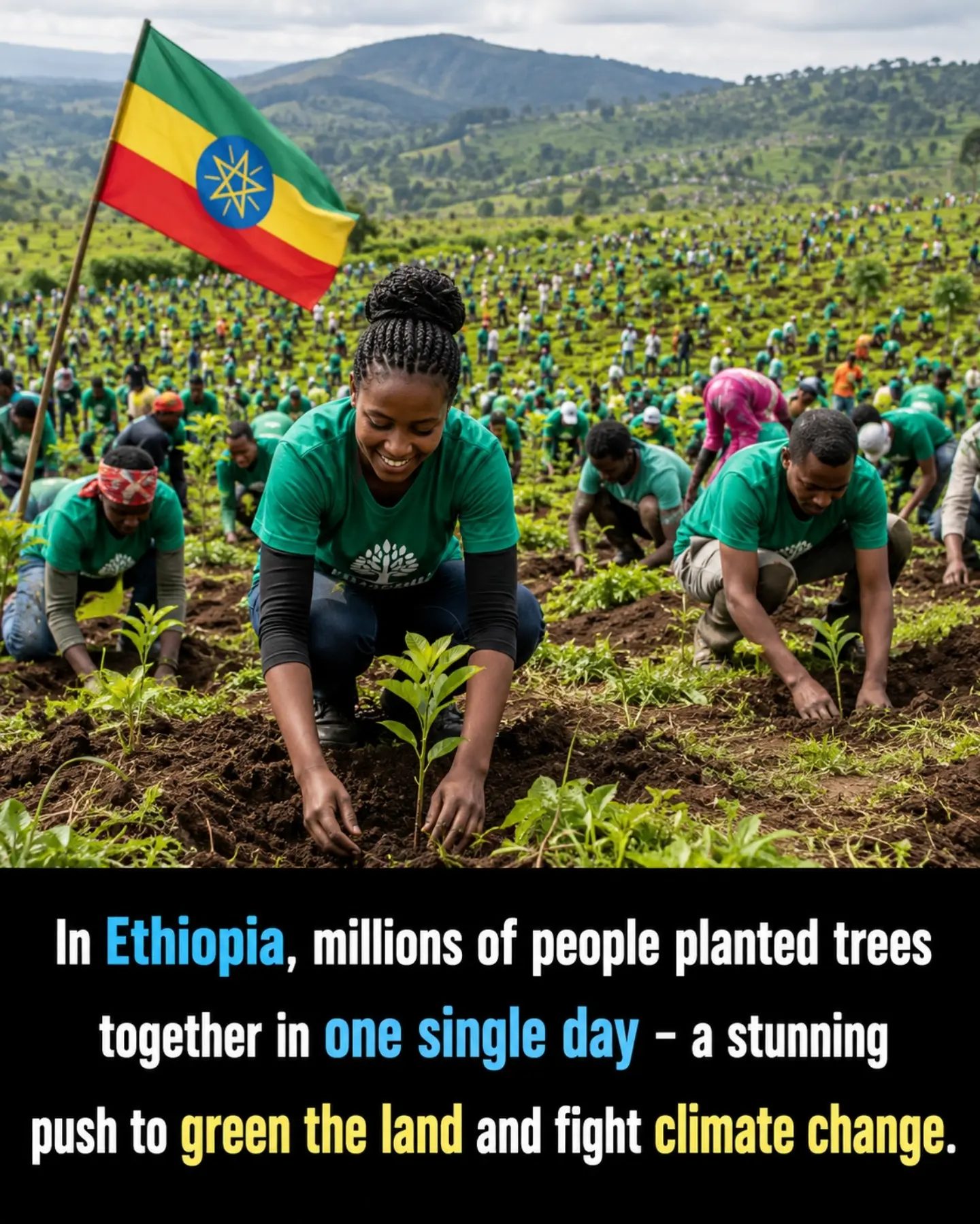
In Ethiopia, an extraordinary environmental initiative took place where millions of people came together to plant trees in a single day. This massive effort was part of a broader campaign to green the land and combat climate change. The initiative showcased the power of community involvement in environmental activism, demonstrating how collective action can lead to significant impact.
Why This Matters
Climate change is one of the most pressing global issues of our time, affecting ecosystems, weather patterns, and human livelihoods. Forests play a crucial role in mitigating climate change by absorbing carbon dioxide from the atmosphere. In Ethiopia, where deforestation has been a significant problem, the tree-planting initiative is a vital step towards restoring ecological balance and protecting the environment for future generations.
Main Discussion
The Scale of the Initiative
The tree-planting event in Ethiopia was a monumental endeavor. Millions of participants, predominantly women, joined together to plant trees across the country. This coordinated effort is a testament to the power of community engagement and the potential for large-scale environmental projects. The Ethiopian flag visible in the background symbolizes national unity and a shared commitment to environmental sustainability.
Community Involvement
The initiative highlights the importance of community involvement in environmental efforts. The participants, dressed in green shirts, were not just volunteers but active contributors to a national mission. Community involvement ensures that environmental initiatives are not just top-down directives but grassroots movements that engage local communities in meaningful ways. This grassroots approach fosters a sense of ownership and responsibility, making the initiatives more sustainable in the long run.
Impact on the Environment
The tree-planting initiative in Ethiopia has multiple environmental benefits. Trees absorb carbon dioxide, a major greenhouse gas, from the atmosphere, helping to reduce the overall carbon footprint. Additionally, trees provide habitat for various species, prevent soil erosion, and contribute to the overall biodiversity of the region. By greening the land, Ethiopia is not only combating climate change but also fostering a healthier ecosystem.
Challenges and Solutions
While the initiative is commendable, it is essential to acknowledge the challenges involved in such large-scale environmental projects. Planting millions of trees requires significant resources, including seedlings, water, and manpower. Additionally, ensuring the survival and growth of the planted trees is a long-term challenge that requires continuous monitoring and care. Solutions involve community involvement, government support, and international partnerships to sustain the initiative's success.
Practical Tips
For anyone interested in launching a similar initiative, here are some practical tips:
Planning and Organization
Effective planning and organization are crucial for the success of any large-scale tree-planting initiative. This includes identifying suitable locations, sourcing seedlings, and coordinating volunteers. Community leaders and local authorities play a vital role in mobilizing resources and ensuring the smooth execution of the project.
Engaging the Community
Community involvement is the backbone of successful environmental initiatives. Engaging local communities through awareness campaigns, workshops, and volunteer programs ensures that the initiative has broad support and participation. Involving schools, local organizations, and businesses can also enhance the reach and impact of the project.
Monitoring and Maintenance
Once trees are planted, ongoing monitoring and maintenance are essential to ensure their survival and growth. This includes regular watering, pest control, and protection from wildlife. Community-based monitoring programs can be effective in sustaining the health of newly planted trees.
Sustainable Practices
Sustainable practices are crucial for the long-term success of tree-planting initiatives. This includes using native species that are well-suited to the local climate and soil conditions, as well as promoting reforestation in areas affected by deforestation and land degradation. Sustainable practices ensure that the environmental benefits of tree planting are maximized and sustained over time.
Important Takeaways
- Community Involvement: Large-scale environmental projects succeed when the community is actively involved. In Ethiopia, the participation of millions of people showcased the power of collective action.
- Environmental Benefits: Tree planting has multiple environmental benefits, including carbon sequestration, habitat restoration, and soil conservation.
- Sustainable Practices: Ensuring the survival and growth of planted trees requires sustainable practices and continuous monitoring.
Conclusion
The tree-planting initiative in Ethiopia is a remarkable example of how community involvement can lead to significant environmental changes. By planting millions of trees in a single day, Ethiopia has taken a bold step towards greening the land and combating climate change. This initiative serves as an inspiration for other countries and communities looking to make a difference in the fight against climate change. Through coordinated efforts, community involvement, and sustainable practices, it is possible to create a greener, healthier planet for future generations.
Questions readers ask
Why did Ethiopia organize a massive tree-planting day?
Ethiopia organized a massive tree-planting day to combat climate change and restore ecological balance. The event aimed to green the land and highlight the power of community-driven environmental activism.
How many people participated in the tree-planting event in Ethiopia?
Millions of people participated in the tree-planting event in Ethiopia, demonstrating the nation's commitment to environmental preservation and collective action.
What role do forests play in mitigating climate change?
Forests play a crucial role in mitigating climate change by absorbing carbon dioxide from the atmosphere. This helps to reduce the greenhouse gases that contribute to global warming.
How does community involvement enhance environmental initiatives?
Community involvement enhances environmental initiatives by fostering a sense of collective responsibility and ensuring sustained effort. It also allows for the sharing of resources and knowledge, making large-scale projects more manageable.
What are the benefits of large-scale tree-planting events?
Large-scale tree-planting events like the one in Ethiopia help to restore degraded landscapes, provide habitat for wildlife, and improve air and water quality. They also serve as powerful symbols of community unity and environmental stewardship.
What challenges does Ethiopia face regarding deforestation?
Ethiopia faces significant challenges with deforestation, which has led to soil erosion, loss of biodiversity, and disruption of water cycles. The tree-planting initiative is a critical step in addressing these issues and promoting sustainable land use.
How can individuals support Ethiopia's tree-planting efforts?
Individuals can support Ethiopia's tree-planting efforts by sharing information about the initiative, donating to organizations involved, or even participating in local tree-planting events to spread awareness and encourage similar actions in their own communities.
Related deep dives
Similar reads based on topic and creator.




Recent articles
Fresh deep dives from the latest Reels we unpacked.




Comments
Be the first to comment.