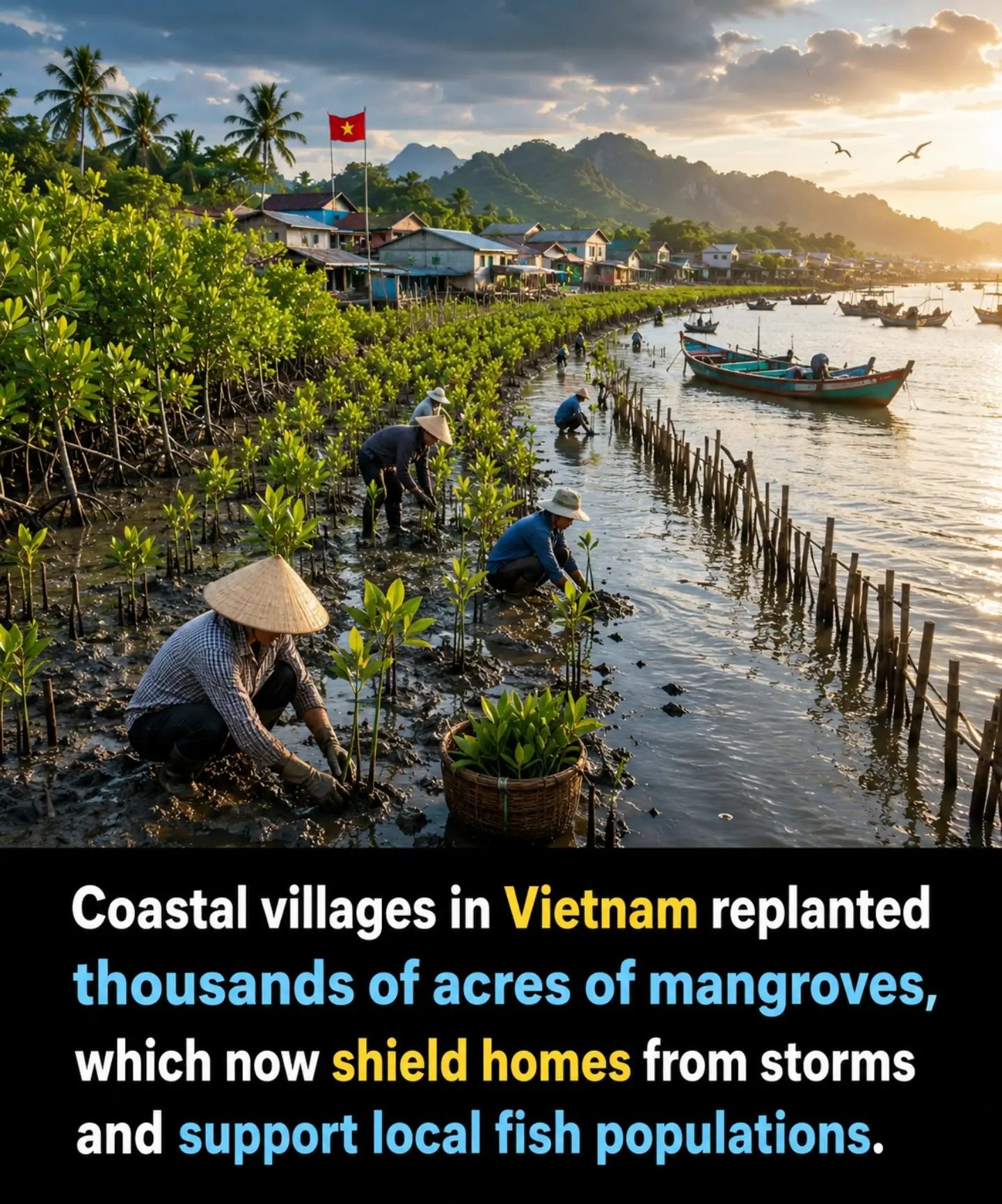
Mangrove Restoration in Vietnam
Mangrove restoration efforts in Vietnam are making a significant impact on coastal communities and ecosystems. These hardy trees, known for their dense tangles of roots, are being replanted in thousands of acres, providing both environmental and economic benefits.
Why This Matters
Mangrove forests play a crucial role in coastal ecosystems. They act as natural barriers against storms and erosion, protecting coastal villages from severe weather events. Additionally, mangroves serve as nurseries for various marine species, supporting local fish populations and contributing to the livelihoods of coastal communities. The restoration of mangrove forests in Vietnam is not just an environmental initiative; it is a critical step towards sustaining the well-being of these coastal regions.
Mangrove Restoration Efforts
Protecting Coastal Villages
For many coastal villages in Vietnam, mangroves are a lifeline. The replanted mangroves shield homes from storms and tidal surges, providing a crucial buffer zone. By absorbing the impact of waves and reducing storm surges, mangroves help minimize the damage caused by severe weather events.
Supporting Marine Life
Mangroves are also vital for marine life. The dense root systems of mangrove forests create nurseries for fish and other marine species. These young organisms find shelter and food in the mangrove ecosystem, which supports local fish populations. As a result, the replanted mangroves contribute to the sustainability of local fisheries and the food supply for coastal communities. By supporting marine life, mangrove restoration helps maintain the ecological balance and ensures the long-term health of the marine environment.
Practical Tips for Mangrove Restoration
Mangrove restoration is a multifaceted process that requires careful planning and execution. Here are some practical tips for successful mangrove restoration:
Community Involvement
Engaging local communities in the restoration process is essential. Communities that live near mangrove forests have a vested interest in their health and can provide valuable knowledge about the local environment. By involving them in planting and monitoring activities, restoration projects can foster a sense of stewardship and ensure long-term sustainability.
Choosing the Right Species
Selecting the right mangrove species is crucial for the success of the restoration project. Different species thrive in various conditions, so it's important to choose species that are native to the area and well-suited to the local environment. For example, species like Rhizophora mucronata and Avicennia marina are commonly used in restoration projects in Vietnam.
Maintaining the Restoration Site
After planting, the mangroves need to be protected and nurtured. Monitoring the growth, removing invasive species, and controlling pests are important steps in ensuring that the mangroves thrive. Regular maintenance helps in maintaining the health of the mangrove ecosystem and increases the chances of long-term success.
Sustainable Management
Sustainable management practices are essential for the long-term health of mangrove forests. This includes implementing policies that protect mangroves from deforestation, pollution, and overfishing. Sustainable management ensures that the benefits of mangrove restoration are enjoyed by future generations.
Important Takeaways
Mangrove restoration in Vietnam is a testament to the country's commitment to environmental conservation and sustainable development. The efforts undertaken to replant mangroves have provided numerous benefits, from protecting coastal villages to supporting local fish populations. These initiatives not only contribute to the ecological health of the region but also enhance the resilience of coastal communities.
Conclusion
Mangrove restoration in Vietnam is a powerful example of how environmental conservation can align with community well-being. By replanting these vital ecosystems, Vietnam is taking significant steps towards protecting its coastal areas and supporting local livelihoods. This effort is not just about restoring nature; it is about creating a sustainable future for the people who depend on these ecosystems.
Questions readers ask
What are the primary benefits of mangrove restoration in Vietnam?
Mangrove restoration in Vietnam provides multiple benefits, including enhanced coastal protection from storms and erosion, support for marine life and fisheries, and economic advantages for local communities. These forests serve as nurseries for various marine species, which helps to sustain local fish populations and the livelihoods of those who depend on them.
How do mangroves protect coastal villages in Vietnam?
Mangroves act as natural barriers against storms and erosion. Their dense root systems help to dissipate wave energy, reducing the impact of storms on coastal villages. This protection is crucial for sustaining the well-being and safety of local communities in Vietnam, who often reside in areas exposed to severe weather events.
What role do mangroves play in supporting marine life in Vietnam?
Mangroves serve as vital nurseries for numerous marine species. The intricate root systems provide shelter and food for young fish and crustaceans. This support for marine life contributes to the overall health of the ecosystem and helps maintain the productivity of fisheries, which are essential for the livelihoods of coastal communities in Vietnam.
What are the economic benefits of mangrove restoration in Vietnam?
Mangrove restoration supports local economies by enhancing fisheries. The forests provide habitats for various marine species, leading to increased fish populations. This, in turn, supports the livelihoods of fishermen and related industries, making mangrove restoration a key factor in the economic sustainability of coastal communities.
What is the significance of replanting mangroves in Vietnam?
Replanting mangroves in Vietnam is crucial for restoring and maintaining coastal defenses. These forests help to mitigate the impacts of storms and erosion, safeguard local villages, and support marine biodiversity. By replanting mangroves, Vietnam can enhance its coastal sustainability and ensure the well-being of its coastal communities.
How do mangrove forests contribute to coastal sustainability in Vietnam?
Mangrove forests contribute to coastal sustainability by protecting against storms and erosion, supporting marine life, and enhancing fisheries. The restoration of these forests in Vietnam is essential for maintaining the ecological balance and economic stability of coastal communities, ensuring long-term sustainability.
What types of storms do mangrove forests help to protect against in Vietnam?
Mangrove forests in Vietnam help to protect against a variety of storms, including typhoons and tropical storms. Their dense root systems act as a buffer, absorbing and dispersing the energy from strong winds and waves, thereby reducing the impact on coastal villages and infrastructure.
Related deep dives
Similar reads based on topic and creator.




Recent articles
Fresh deep dives from the latest Reels we unpacked.




Comments
Be the first to comment.