Passive-Aggressive Notes and Parking
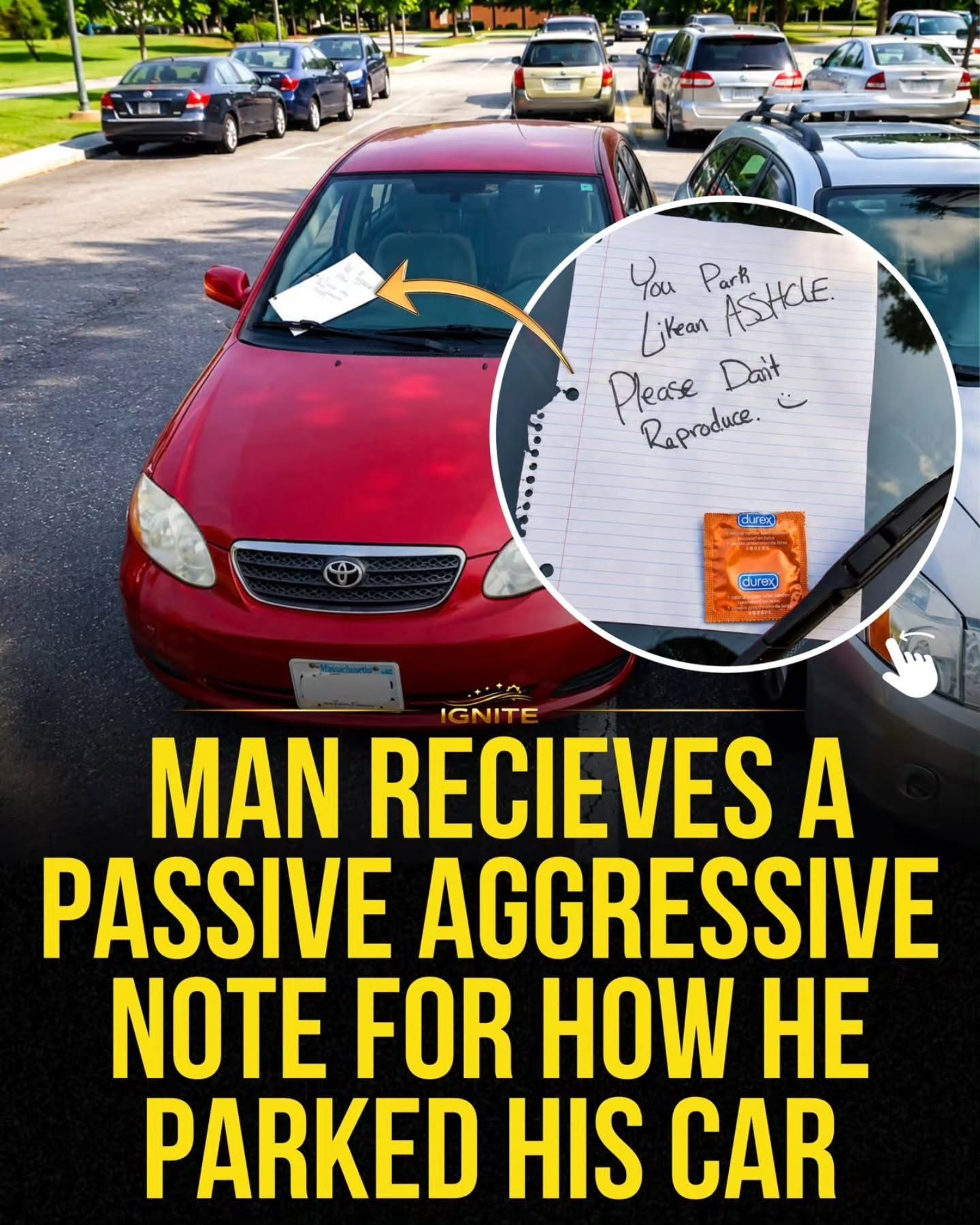
Passive-aggressive notes left on cars can be a frustrating experience for any driver. These notes, often anonymously left on windshields, can range from mildly irritating to outright offensive. One recent incident involved a note that not only criticized the driver's parking skills but also made a provocative suggestion about reproduction, complete with a package of Durex condoms attached. Understanding the dynamics behind these notes and the reactions they provoke can offer valuable insights into navigating such situations.
Why This Matters
Parking disputes are a common source of conflict in urban and suburban areas. Limited parking spaces and varying driving etiquette can lead to misunderstandings and frustrations. Passive-aggressive notes are often a response to these disagreements, but they can escalate tensions rather than resolve them. Knowing how to handle such situations and consider alternative actions can help maintain a peaceful and respectful community.
The Nature of Passive-Aggressive Communication
Passive-aggressive communication is a way of expressing hostility or annoyance in an indirect manner. Instead of directly confronting an issue, the person delivers a message that is meant to be hurtful or provocative. This type of communication is often seen in written notes, as it allows the writer to express their feelings without the risk of immediate confrontation.
What are Passive-Aggressive Notes?
These notes are typically handwritten and left in places where the recipient will find them—such as on a car windshield. The messages can vary from mild criticism to outright insults, often intended to provoke a reaction or shame the recipient. The note on the car in question was particularly aggressive, with phrases like "You Park Like an ASSHOLE" and "Please Don't Reproduce." The inclusion of a package of Durex condoms added a layer of shock and provocation, making it even more difficult for the recipient to ignore.
The Psychological Impact
Receiving a passive-aggressive note can have a significant psychological impact. The recipient may feel embarrassed, angry, or confused. Such notes can also create a sense of helplessness, as the author often remains anonymous. This lack of direct confrontation can be frustrating and leave the recipient with no clear way to resolve the issue.
Emotional Responses
The emotional responses to these notes can vary widely. Some people may feel immediately angry and retaliate, while others may feel hurt or confused. The shock value of the message, combined with the anonymity of the author, can create a strong emotional reaction. The note featuring Durex condoms is a prime example of how the element of surprise can intensify the emotional impact.
What to Do When You Receive a Passive-Aggressive Note
If you find a passive-aggressive note on your car, it's important to take a step back and consider your response carefully. Here are some practical tips to help you navigate the situation:
Stay Calm
It's natural to feel angry or upset, but reacting impulsively can escalate the situation. Take a few deep breaths and try to calm down before deciding on a course of action.
Assess the Message
Read the note carefully and try to understand the underlying issue. In the case of the parking note, the message was clear: the author was upset about the way the car was parked. Understanding the root cause can help you address the issue more effectively.
Consider Your Response
Decide on a constructive way to respond. If the note was left by a neighbor or someone you know, consider having a calm and respectful conversation with them. If the author remains anonymous, you may need to take other steps to resolve the issue.
Take Action
If the note addresses a specific issue, such as poor parking, take action to correct it. For example, park your car in a more considerate manner or apologize if necessary. If the note is particularly offensive or threatening, document the incident and consider reporting it to local authorities.
Important Takeaways
Receiving a passive-aggressive note can be a challenging experience, but it's important to remember that these situations can often be resolved with calm and thoughtful action. Here are some key takeaways:
- Passive-aggressive communication is a way of expressing hostility indirectly, often through written notes.
- These notes can have a significant psychological impact on the recipient, causing feelings of anger, embarrassment, or helplessness.
- When you receive a passive-aggressive note, it's important to stay calm, assess the message, and consider a constructive response.
- Taking action to address the underlying issue can help resolve the conflict and prevent future incidents.
Conclusion
Passive-aggressive notes on cars are a common but often frustrating part of urban life. Understanding the nature of these notes and how to respond effectively can help you navigate such situations with greater ease. By staying calm, assessing the message, and taking constructive action, you can turn a potentially negative experience into an opportunity for resolution and improved community relations.
Questions readers ask
What should I do if I find a passive-aggressive note on my car?
First, remain calm and do not retaliate. Try to find any relevant information and document it. If the note is offensive or threatening, consider reporting it to local law enforcement. If it's just annoying, you could leave a polite response to defuse the situation. If the notes continue, you may want to install a dashboard camera to capture the perpetrator.
Why do people leave aggressive parking notes?
People often leave aggressive parking notes due to frustration or anger over perceived wrongdoing. Limited parking spaces, varying driving etiquette, and differing interpretations of parking rules can lead to misunderstandings. Addressing these issues can help mitigate such behavior.
What can I do to avoid parking disputes?
To avoid parking disputes, always try to park considerately and follow local rules and guidelines. If there is a handoff of a parking space, try to be especially transparent to make sure it is clear. Be mindful of other drivers and pedestrians. if you must park in a tight or unconventional spot, leave a note with your contact information to explain your situation.
What should I do if I accidentally damage someone's car in a parking lot?
If you accidentally damage someone's car, leave a note with your contact information so the owner can reach you. Be honest and take responsibility for the damage. Offer to pay for the repairs or leave a reasonable amount of money to cover the costs.
Can I take legal action against someone who leaves an offensive note on my car?
If the note is threatening or harassing, you may be able to take legal action. However, if the note is simply rude or annoying, it is unlikely that you can pursue a case. Always keep the note as evidence and document any other relevant information. If the behavior continues, consider involving local law enforcement.
What does it mean when someone leaves a package of condoms with a parking note?
When someone leaves a package of condoms with a parking note, it is usually meant to be an offensive or provocative gesture. This act can escalate a simple parking dispute into a more confrontational situation. It is best to avoid engaging with the person who left the note and to focus on de-escalating the situation.
How can I respond to a passive-aggressive parking note?
If you choose to respond to a passive-aggressive parking note, do not retaliate or use aggressive language. Instead, keep the tone polite and non-confrontational. Avoid leaving the note on the windshield, as it can escalate to leaving on the windshield. Consider leaving it in the car's mailbox or on the dashboard of the car to avoid further escalation.
Recent articles
Fresh deep dives from the latest Reels we unpacked.




Comments
Be the first to comment.