Rainwater Harvesting in Malaysia
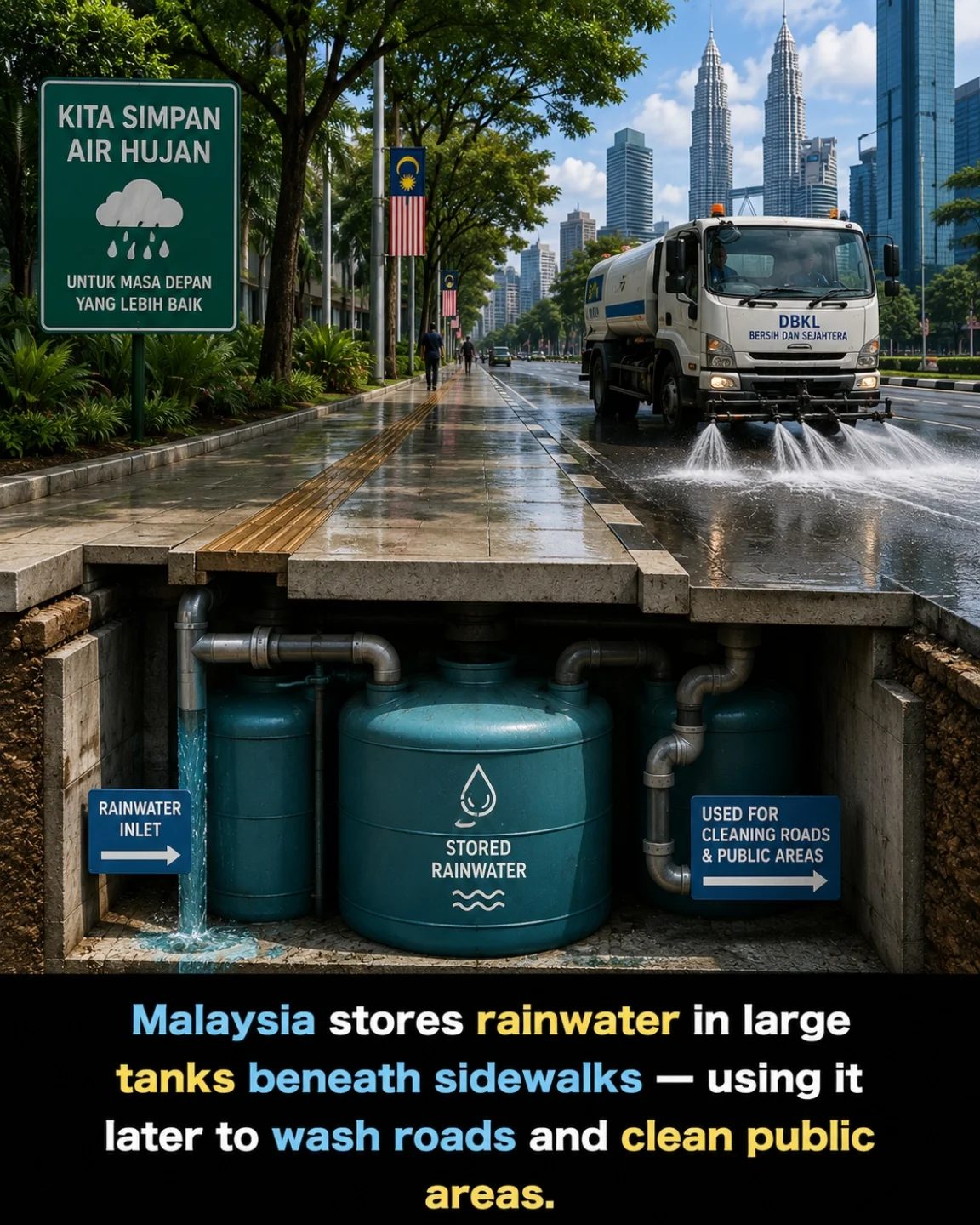
In Malaysia, rainwater harvesting has become a strategic initiative, particularly in urban areas managed by DBKL (Dewan Bandaraya Kuala Lumpur). This system, which involves collecting and storing rainwater in large tanks beneath sidewalks, serves a dual purpose: conserving water and promoting sustainability. The harvested rainwater is primarily used for cleaning roads and public areas, reducing the demand on municipal water supplies.
Context / Why this matters
Importance of Water Conservation
Water scarcity is a growing concern globally, and Malaysia is no exception. By implementing rainwater harvesting, Malaysia takes a proactive approach to managing its water resources. This initiative not only helps in conserving water but also reduces the strain on existing water treatment and distribution systems. Moreover, it aligns with the broader goals of environmental sustainability, which includes minimizing the depletion of natural resources and promoting eco-friendly practices.
Urban Sustainability
In densely populated urban areas, managing water resources efficiently is crucial. The DBKL's rainwater harvesting system is a practical solution that integrates seamlessly into the urban landscape. By storing rainwater in large tanks beneath sidewalks, the city ensures that valuable water is not wasted but rather collected and reused for essential services like cleaning roads and public areas.
Main Discussion
The Mechanism of Rainwater Harvesting
The rainwater harvesting system in Malaysia is designed to be both efficient and unobtrusive. Rainwater is collected through strategically placed inlets on sidewalks and funneled into large storage tanks installed underground. These tanks are designed to store significant amounts of water, ensuring a steady supply for cleaning purposes.
Utilization of Stored Rainwater
The collected rainwater is not just stored; it is put to practical use. The stored water is primarily used for washing roads and cleaning public areas. This not only conserves potable water but also ensures that public spaces are kept clean and hygienic. By using rainwater for these purposes, the city reduces its reliance on treated water, thereby conserving this precious resource.
Promoting Sustainable Practices
The DBKL's initiative goes beyond just water conservation. It also promotes sustainable practices within the community. By showcasing the benefits of rainwater harvesting, the initiative encourages residents and businesses to adopt similar practices. This collective effort can significantly contribute to the city's overall sustainability goals.
Practical Tips
Implementing Rainwater Harvesting at Home
Homeowners can also benefit from rainwater harvesting. Installing rain barrels or cisterns to collect rainwater from rooftops can provide a free source of water for gardening, car washing, and other non-potable uses. This simple step can help conserve water and reduce utility bills.
Community Involvement
Communities can play a crucial role in promoting rainwater harvesting. By organizing awareness campaigns and workshops, residents can learn about the benefits and practicalities of rainwater harvesting. Community-led initiatives can also help in installing rainwater harvesting systems in public spaces, further enhancing the city's sustainability efforts.
Important Takeaways
-
Water Conservation: Rainwater harvesting is an effective way to conserve water, especially in urban areas where water resources are under significant strain.
-
Sustainable Practices: By promoting sustainable water management practices, cities like Kuala Lumpur can set a positive example for other urban centers.
-
Efficient Utilization: The use of stored rainwater for cleaning roads and public areas is a practical and efficient way to manage water resources.
-
Community Engagement: Involving the community in rainwater harvesting initiatives can amplify the benefits and promote wider adoption of sustainable practices.
Conclusion
Rainwater harvesting in Malaysia, particularly in urban areas managed by DBKL, is a commendable initiative that highlights the importance of water conservation and sustainable practices. By collecting and storing rainwater in large tanks beneath sidewalks, the city ensures that this valuable resource is not wasted but rather put to good use. This initiative not only conserves water but also promotes a cleaner, more sustainable urban environment.
Questions readers ask
What is the primary purpose of Malaysia's urban rainwater harvesting initiative?
The primary purpose is to conserve water and promote sustainability in urban areas. By collecting and storing rainwater in tanks beneath sidewalks, the initiative reduces the demand on municipal water supplies for tasks such as cleaning roads and public areas.
Who manages the urban rainwater harvesting system in Kuala Lumpur?
The urban rainwater harvesting system in Kuala Lumpur is managed by DBKL, which stands for Dewan Bandaraya Kuala Lumpur. This municipal body oversees the implementation and maintenance of the rainwater collection and storage infrastructure.
How does rainwater harvesting in Malaysia benefit urban water sustainability?
Rainwater harvesting in Malaysia benefits urban water sustainability by providing an alternative water source for non-potable uses, such as cleaning roads and public areas. This reduces the strain on municipal water supplies and promotes more efficient use of water resources.
What are the benefits of storing rainwater in tanks beneath sidewalks?
Storing rainwater in tanks beneath sidewalks offers several benefits, including space efficiency, reduced visibility of tanks, and easier maintenance. This approach is particularly useful in densely populated urban environments where space is limited.
What are the main uses of harvested rainwater in urban areas of Malaysia?
The harvested rainwater in urban areas of Malaysia is primarily used for cleaning roads and public areas. By using rainwater for these purposes, the initiative helps to lower the demand for municipal water, contributing to overall water conservation efforts.
Why is water conservation important in Malaysia's urban areas?
Water conservation is crucial in Malaysia's urban areas due to growing water scarcity. By implementing rainwater harvesting, Malaysia can proactively manage its water resources, ensuring a more sustainable future for its cities.
Recent articles
Fresh deep dives from the latest Reels we unpacked.



Comments
Be the first to comment.