Urban Farming and Beekeeping
Urban farming and beekeeping are increasingly gaining traction as sustainable practices. The integration of these activities within urban areas offers numerous benefits, from environmental sustainability to food security. Let's explore how these initiatives can thrive in bustling cities like London.
Context / Why this matters
Urban farming and beekeeping are not just trends; they are essential components of modern sustainable living. By growing food and maintaining bee populations in urban areas, cities can reduce their environmental footprint, promote biodiversity, and enhance food security.
Main discussion
Growing Mushrooms in the City
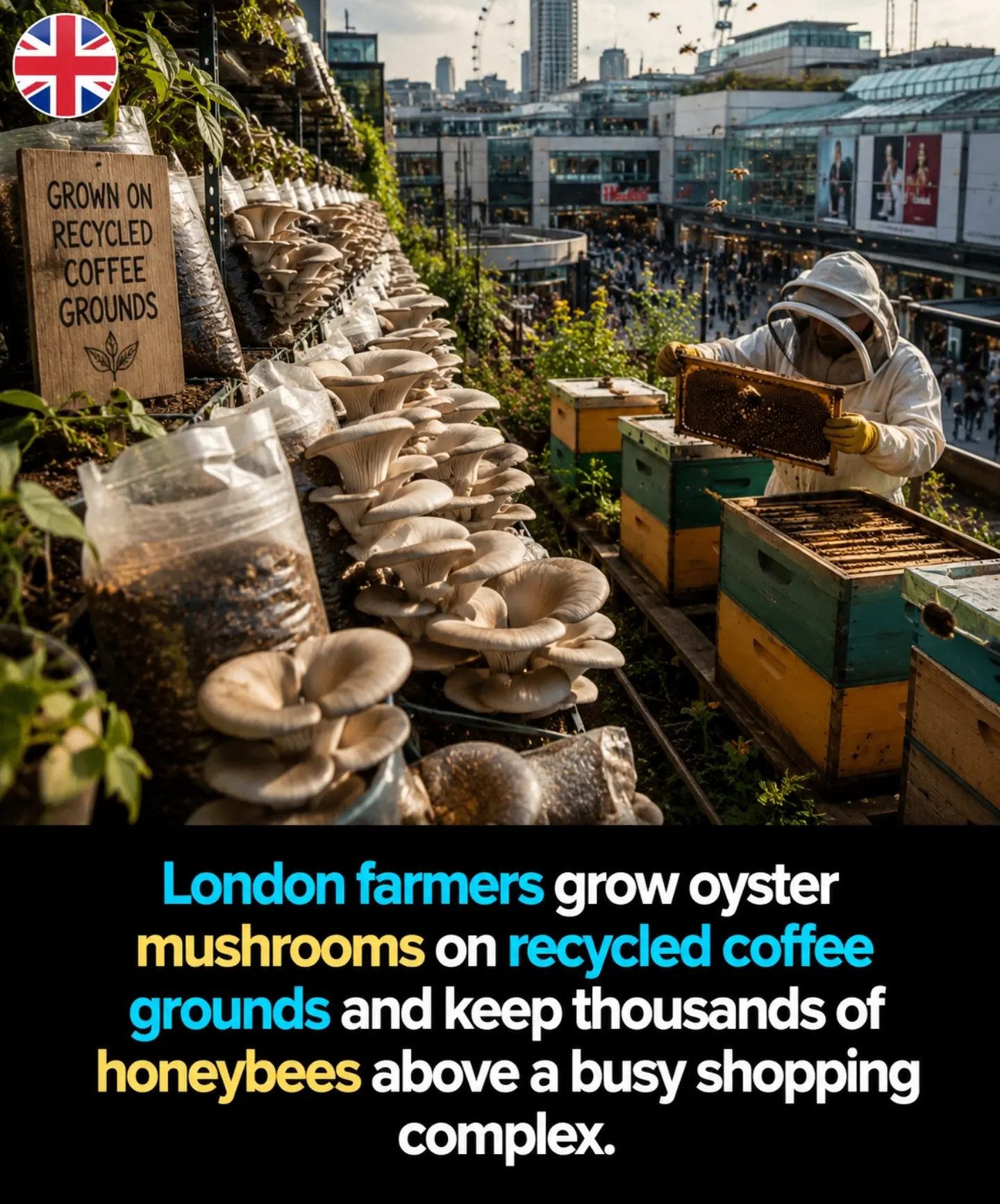
One of the most intriguing aspects of urban farming is the cultivation of mushrooms, particularly oyster mushrooms. These mushrooms are not only delicious but also highly sustainable. In London, urban farmers have found an innovative way to grow oyster mushrooms on recycled coffee grounds. This practice not only reduces waste but also provides a nutrient-rich medium for mushroom cultivation.
Why Coffee Grounds?
Coffee grounds are an excellent substrate for growing oyster mushrooms due to their high nitrogen content and ability to retain moisture. By using recycled coffee grounds, farmers can significantly reduce the amount of organic waste sent to landfills. This practice is not only environmentally friendly but also cost-effective, as it turns a waste product into a valuable resource.
Beekeeping in Urban Environments
Another critical component of urban farming is beekeeping. Bees play a vital role in pollinating plants, which is essential for both agricultural and natural ecosystems. In London, beekeeping is integrated into urban farming initiatives, with beehives located above busy shopping complexes.
The Benefits of Urban Beekeeping
Urban beekeeping offers several benefits:
- Pollination: Bees help pollinate plants in urban gardens, parks, and even rooftop gardens, enhancing biodiversity.
- Honey Production: Urban beekeepers can produce honey, which can be sold or used locally, providing additional income and promoting self-sufficiency.
- Education and Awareness: Beekeeping in urban areas raises awareness about the importance of bees and encourages community involvement in environmental conservation.
Sustainable Practices in Urban Farming
Sustainable practices are at the heart of urban farming and beekeeping. These initiatives aim to create a balanced ecosystem within urban environments, promoting the co-existence of nature and human activities.
Recycling and Waste Management
One of the key sustainable practices in urban farming is recycling. By using recycled materials like coffee grounds for mushroom cultivation, farmers can significantly reduce waste and promote a circular economy.
Pollination and Biodiversity
Beekeeping contributes to biodiversity by supporting pollination. Bees help in pollinating a variety of plants, which is crucial for maintaining a healthy ecosystem. The presence of bees in urban areas can also attract other pollinators, further enhancing biodiversity.
Food Security
Urban farming and beekeeping play a crucial role in enhancing food security. By growing food locally, cities can reduce their reliance on imported produce, making the food supply more resilient.
Practical Tips
Starting Your Own Urban Farm
If you're interested in starting your own urban farm, here are some practical tips to get you started:
- Choose the Right Crops: Opt for crops that are well-suited to urban environments, such as mushrooms, herbs, and leafy greens.
- Utilize Vertical Space: Make the most of limited space by growing vertically. This can be done using trellises, hanging baskets, or vertical gardens.
- Composting: Start composting to reduce waste and create nutrient-rich soil for your plants.
- Water Management: Implement efficient water management practices, such as drip irrigation and rainwater harvesting.
- Community Engagement: Engage with your community by sharing your knowledge and resources. This can create a supportive network and promote urban farming initiatives.
Setting Up a Beekeeping Operation
If you're interested in beekeeping, here are some tips to help you get started:
- Research Local Regulations: Check local regulations regarding beekeeping to ensure you comply with all guidelines.
- Choose the Right Location: Place your beehives in a safe and accessible location, preferably with some protection from the elements.
- Educate Yourself: Learn about bee behavior, health, and care. This will help you manage your hives effectively and ensure the well-being of your bees.
- Maintain Regular Check-ups: Regularly inspect your hives to monitor for any issues and ensure your bees are healthy.
Important Takeaways
Urban farming and beekeeping are not just trends but essential practices for sustainable living. By cultivating crops like mushrooms and maintaining bee populations, cities can promote environmental sustainability, enhance biodiversity, and improve food security.
Conclusion
Cities around the world, including London, are embracing urban farming and beekeeping as sustainable practices. These initiatives offer numerous benefits, from reducing waste and promoting biodiversity to enhancing food security. By integrating nature into urban environments, cities can create a more balanced and sustainable ecosystem. Whether you're interested in growing mushrooms on recycled coffee grounds or setting up a beehive, there are plenty of ways to get involved in urban farming and beekeeping.
Questions readers ask
What are the benefits of vertical farming in urban areas like London?
Vertical farming in urban areas like London offers several advantages. It reduces the need for transportation, lowering carbon emissions. It also saves water and space, making it a sustainable choice for cities. Additionally, it enhances food security by providing locally grown produce, such as mushrooms, directly to urban residents.
How do London's urban farmers utilize recycled coffee grounds?
In London, urban farmers use recycled coffee grounds as a growing medium for mushrooms. This practice not only reduces waste sent to landfills but also provides a nutrient-rich substrate for cultivating oyster mushrooms, which are particularly well-suited to this type of urban farming.
Why are bees being kept on top of shopping centers in London?
Beehives placed above shopping centers in London support local pollination, which is crucial for urban greenery and nearby farms. This initiative also raises awareness among urban dwellers about the importance of bees in the ecosystem. It contributes to biodiversity and promotes a more sustainable urban environment.
What types of mushrooms are commonly grown in London's urban farms?
Oyster mushrooms are a common type grown in London's urban farms. They are particularly suited to vertical farming environments as they can thrive in controlled conditions with minimal space and resources. The use of recycled coffee grounds as a growing medium further enhances their sustainability.
How does urban beekeeping in London help the environment?
Urban beekeeping in London promotes biodiversity and supports the local ecosystem. Bees play a vital role in pollinating plants, which is essential for maintaining green spaces and urban gardens. Additionally, urban beekeeping can produce honey, further contributing to local food production and reducing the need for imported honey.
What is the role of vertical farming in enhancing local food security in London?
Vertical farming in London enhances food security by providing a steady supply of fresh produce, such as mushrooms, directly to local residents. This reduces the reliance on imported food and ensures that fresh, nutritious food is accessible within the city, particularly in areas where access to green spaces is limited.
How does vertical farming in London contribute to environmental sustainability?
Vertical farming in London contributes to environmental sustainability by reducing the need for long-distance transportation of produce, which lowers carbon emissions. It also conserves water and utilizes vertical space efficiently, making it a practical solution for sustainable urban agriculture in a densely populated city like London.
Related deep dives
Similar reads based on topic and creator.




Recent articles
Fresh deep dives from the latest Reels we unpacked.




Comments
Be the first to comment.