The Unlikely Gut Saver: Kimchi and Microplastics
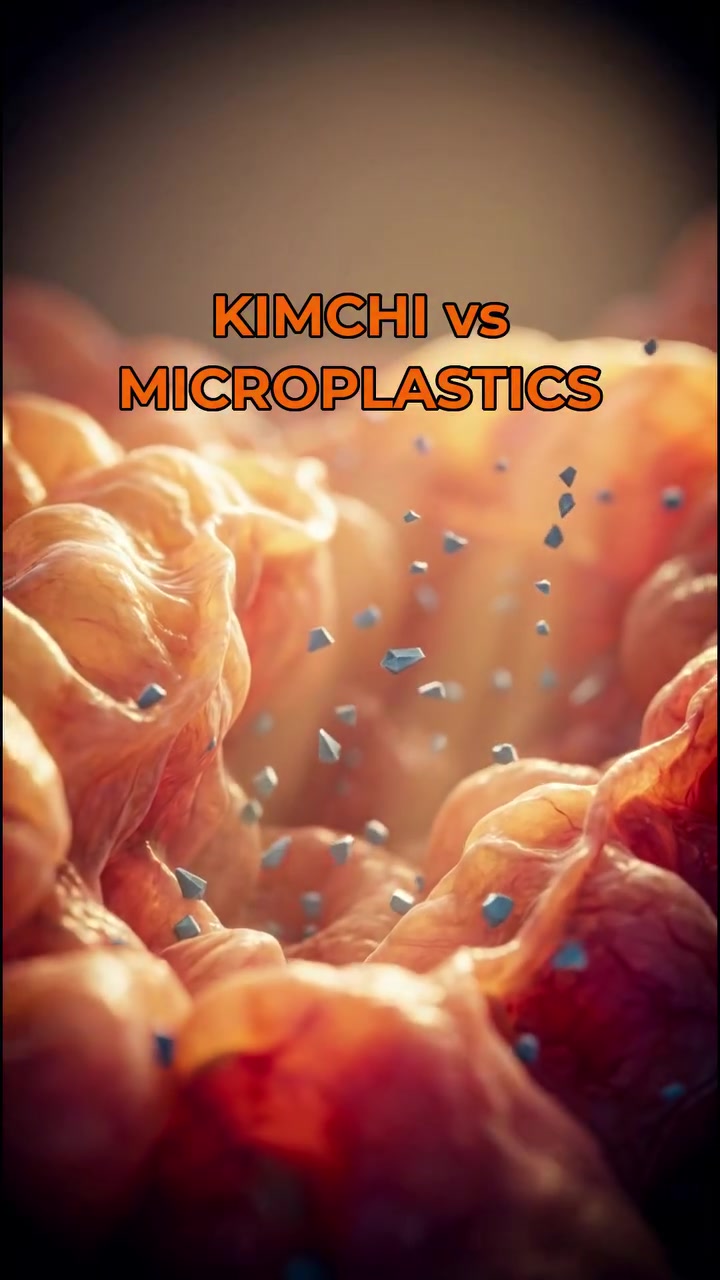
In a twist of gut health discovery, kimchi has emerged not just as a flavorful fermented food, but also as a weapon against microplastics. "Your gut is full of microplastics," and a peculiar solution lies in traditional fermented fare: a specific strain of bacteria naturally occurring in kimchi can bind to plastic particles and help the body clear them out. Some microorganisms in the gut are beneficial, and the food that hosts the essential bacteria is more than a tangy side dish. Kimchi is a traditional Korean side dish made from fermented vegetables, most commonly cabbage and radishes. The fermentation process involves a variety of bacteria, one of which has been identified to have the remarkable ability to bind to microplastics. This newly uncovered property makes kimchi a special addition to the broad family of fermented foods, or foods that have been through the fermentation process. Sauerkraut, yogurt, and kefir are among the precious family with this newly found health use.
Clearing Plastic Particles One Bacteria at a Time
Fermented foods have long been hailed for their gut-health benefits, but kimchi's role in mitigating the ever-present microplastic issue places it in a league of its own. The World Institute of Kimchi, collaborating with South Korea's Bioresource Technology, released a study showing a particular strain of bacteria in kimchi aids the body by removing microplastics. The implications of this study are significant, not least because they highlight the potential of natural, traditional foods to combat modern health and environmental issues. The discovery opens an educational eye if you are looking to stay on top of environmental health. The bacteria, a natural cleanser of sorts, doubles the amount of plastic the body clears in animal studies. It is important to note that all studies are not directly applicable to humans, but the potential is clear. This makes the humble kimchi an essential food for maintaining gut health.
Bacteria Allies in the Body
Cleaning House
The strain of bacteria in kimchi binds to microplastic particles and escorts them out of the body before they can enter the bloodstream. This natural detoxifying process is a boon in an age where microplastics are ubiquitous. According to the Institute of Kimchi, in animal studies, it more than doubled the amount of plastic the body cleared. The amount of plastic people ingest will vary, but the health advantages of kimchi are starting to look ever more essential with this new finding.
It's All in the Gut
Fermented foods like kimchi are packed with beneficial bacteria. These foods also have a direct impact on the immune system, gut-brain connection, and more. A Stanford study found that consuming these foods for 10 weeks raised gut diversity and lowered 19 different markers of inflammation. The bacteria in these foods do more than aid in digestion. The good bacteria in these foods make GABA, a compound known for keeping the nervous system calm. The microplastic-binding bacteria in kimchi train your immune system, settling it down when it overreacts.
A Calming Influence
The gut-brain axis is a communication pathway that connects the central nervous system to the enteric nervous system. Nutrients are absorbed in the digestive tract, and the digestive system is vulnerable to infection and inflammation, impacting the brain. The nervous system is made of the central and peripheral systems. The central nervous system is made up of the brain and spinal cord and the peripheral nervous system. GABA is a compound that helps keep the nervous system calm, and the gut-brain axis can change how the body handles stress, infections, and inflammation. Because of this, fermented foods have a calming influence on the gut. This makes kimchi a powerhouse in terms of wellness.
Watching Over Immune Health
The immune system is the body's defense against infections and disease. It is a complex network of organs, tissues, and cells that work together to protect the body. The immune system is also responsible for fighting infections and diseases. It is made up of the cells and tissues involved in the immune response. The immune response allows the body to defend itself against pathogens. It can become overly reactive, leading to inflammation and other issues. And the good bacteria in fermented foods help calm the immune system, aiding the immune system in regulating inflammation and fighting infections
The Gut-Brain Axis Connection
The gut-brain axis is a bidirectional communication system between the gut and the brain. The gut bacteria produce neurotransmitters, such as GABA, that can influence mood, cognition, and behavior. These neurotransmitters are chemicals that act as messengers in the brain. The gut-brain axis is a communication pathway between the central nervous system and the enteric nervous system. The enteric nervous system is a network of neurons and nerve fibers that control the function of the digestive tract.
Adding Kimchi to Your Diet
Adding kimchi to your diet can be a game-changer. It's versatile and delicious. There is no one right way to eat kimchi, and ways to eat it include adding to soups, salads, or a side dish. One thing is certain: fermented foods are some of the best things you can eat for your gut.
- Start Small: Begin with a tablespoon a day, gradually increasing to the recommended two tablespoons.
- Pair Wisely: Pair kimchi with other fermented foods like yogurt or sauerkraut for a double dose of benefits.
- Experiment: Try kimchi in different dishes—from soups to salads—to find what you enjoy most.
Questions readers ask
What specific strain of bacteria in kimchi is responsible for binding to microplastics?
The article mentions that a particular strain of bacteria found in kimchi has the ability to bind to microplastic particles, but it does not specify the exact strain. The research was conducted by the World Institute of Kimchi in collaboration with South Korea's Bioresource Technology. For the precise strain, you might need to look up the original study.
How does the bacteria in kimchi help clear microplastics from the body?
The bacteria in kimchi bind to microplastic particles, preventing them from entering the bloodstream. This process helps escort the microplastics out of the body, acting as a natural detoxifier. In animal studies, this process more than doubled the amount of plastic the body cleared.
Is kimchi the only fermented food that can help with microplastics?
While kimchi is the specific fermented food highlighted in the article for its microplastic-binding bacteria, other fermented foods like sauerkraut, yogurt, and kefir are also known for their gut-health benefits. However, the unique property of binding to microplastics has been specifically attributed to kimchi in this context.
Can I rely on kimchi alone to clear all the microplastics from my body?
While kimchi shows promising results in helping to clear microplastics, it's not advisable to rely on it alone. The studies mentioned are from animal models, and more research is needed to confirm the effects on humans. A balanced diet and overall healthy lifestyle are still essential for maintaining gut health and addressing environmental toxin exposure.
Are there any side effects or considerations I should be aware of when consuming kimchi for this purpose?
Kimchi is generally safe to consume, but it's important to note that it is a fermented food and may cause digestive discomfort in some people, especially those not used to a high-fiber diet. Additionally, kimchi is typically high in sodium, so individuals with hypertension or other sodium-related health concerns should consume it in moderation. Always consult with a healthcare professional before making significant dietary changes.
How much kimchi should I eat to benefit from its microplastic-clearing properties?
The article does not specify an exact amount of kimchi to consume for the microplastic-clearing benefits. It's best to incorporate kimchi into your diet in a way that feels comfortable for you, and that you are used to. For precise dietary recommendations, it would be helpful to consult the original study or a healthcare professional.
Related deep dives
Similar reads based on topic and creator.




Recent articles
Fresh deep dives from the latest Reels we unpacked.




Comments
Be the first to comment.