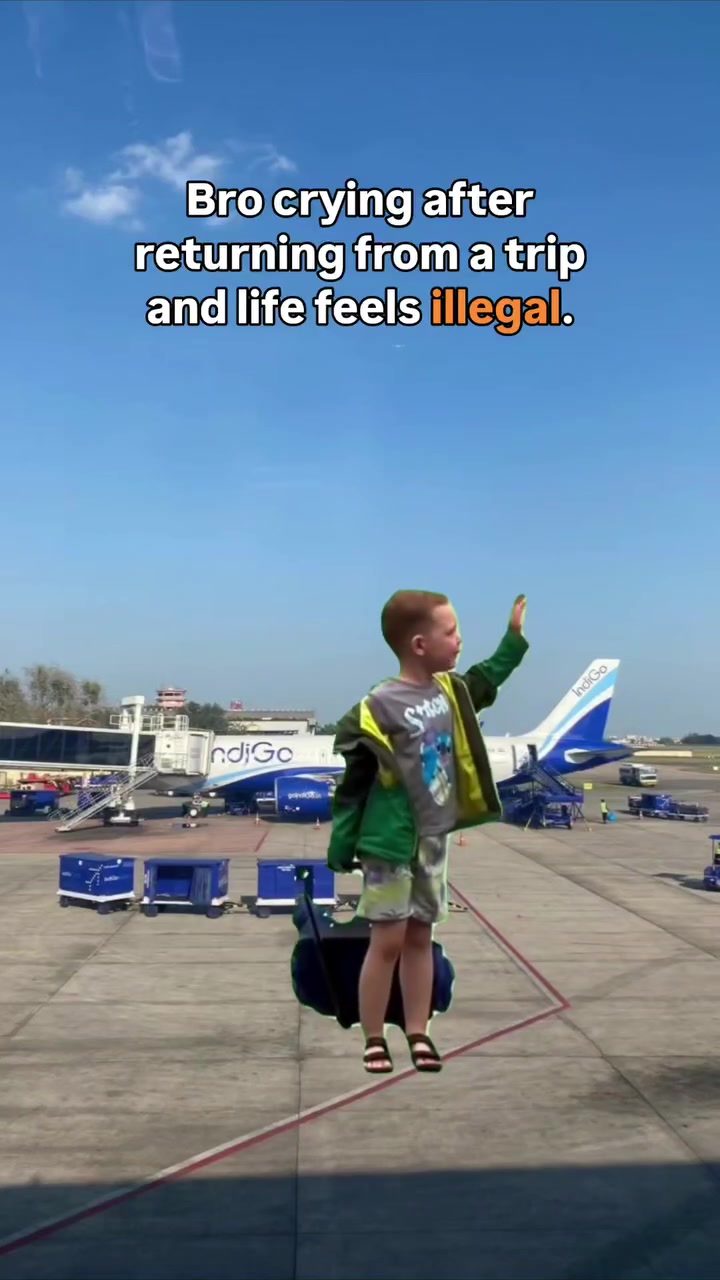
Dealing with Post-Travel Tears: Why Kids Cry After Returning from Trips
Airport scenes can be overwhelming for anyone, but especially for young children. The chaos, noise, and disorientation of returning from a trip can often lead to explosive emotions, as seen in the recent airport clip of a young boy crying. This phenomenon is more common than many parents realize, and understanding the reasons behind it can help manage these challenging moments.
Why Airport Tears Happen
Airport settings are inherently stressful. Between navigating busy terminals, standing in long lines, and the sudden shift from vacation mode to reality, kids can become overstimulated and emotional. For a child, this environment can be jarring after a week of fun and relaxation.
The Disorienting Environment
Airports are designed for efficient travel, not for emotional comfort. The noise, crowds, and bustling pace can be overwhelming. The lights, sounds, and moving walkways can be especially disorienting for young children, who are still learning to process their surroundings. This sensory overload can make children feel confused and scared, triggering an emotional response.
Saying Goodbye to Special Memories
Holidays and vacations are often filled with special moments and new experiences, which children quickly grow attached to. Returning to the familiar routine of everyday life can be a stark reminder of the fun that is now over. This contrast can cause disappointment and sadness, contributing to the post-trip tears.
The Return to Routine
After a trip, children often have to readjust to school schedules, mealtimes, and bedtimes. This sudden shift from a more relaxed vacation routine to a structured daily routine can be difficult, especially for younger children. The abrupt change can lead to increased stress and emotional outbursts.
Practical Tips for Managing Post-Travel Tears
There are several strategies parents can use to help manage their child's emotional response when returning from a trip.
Prepare in Advance
Before heading home, discuss the upcoming return with your child. Explain what to expect, including the possible discomforts of travel. Use simple language and be reassuring, emphasizing that home and daily routines will return. This preparation can help children feel more at ease and less overwhelmed by the change.
Maintain Familiar Routines
When possible, keep some aspects of the vacation routine going for a few days after returning home. This could include later bedtimes or more relaxed meal times. Gradually reintroducing the usual schedule can make the transition smoother.
Offer Comfort Items
Bring along a favorite toy, blanket, or book from home to provide a sense of security and familiarity. This can help ground the child and reduce anxiety.
Allow Time for Adjustment
Understand that getting back to normal might take time. Allow your child to process their emotions and adjust at their own pace. Offer lots of cuddles and reassurance, and be patient with their mood swings.
Important Takeaways
Post-travel tears can be a challenging aspect of returning from a trip. They often stem from the disorienting environment, the end of special memories, and the return to routine. Understanding these factors can help parents manage their child's emotional response more effectively.
Recognize the Signs
Keep an eye out for signs of stress and anxiety in your child, such as increased clinginess, irritability, or changes in appetite. Early recognition can help you address the issue before it escalates.
Be Patient and Understanding
Remember, children often have a hard time processing big changes. Be patient and understanding, and offer lots of love and support. It’s okay if you have to spend some extra time helping your child recover.
Embrace the Experience
Instead of viewing post-travel tears as a negative, try to see them as a natural part of the travel experience. They can be an opportunity for deeper bonding and understanding between parent and child.
Conclusion
Post-travel tears are a common and natural part of returning from a trip for many children. Understanding the reasons behind these tears and implementing practical strategies to manage them can help make the transition smoother for both parents and children. By being prepared, patient, and understanding, you can turn what could be a stressful situation into a moment of connection and growth.
Questions readers ask
Why do kids often cry at airports, especially after enjoyable trips?
Children often cry at airports after great trips due to a mix of factors. These include the stress of the airport environment, the sensory overload from the crowds and noise, and the emotional impact of leaving behind new experiences and returning to daily routines.
What makes airport settings so stressful for young children?
Airports are overwhelming for young children due to the chaos, noise, and disorientation. The sudden shift from a relaxed vacation mode to the reality of crowded terminals and long lines can be jarring and overstimulating, leading to emotional outbursts.
How can parents help their kids cope with airport goodbye tears?
Parents can help by preparing their children for the airport environment beforehand, explaining what to expect, and providing comfort items. Engaging in pleasant distractions, such as favorite games or stories, and reassuring them about the transition can also make the process smoother.
Why do some kids become emotional when returning from a trip, even if they had a good time?
Even after a great trip, kids may become emotional upon returning because they have to leave behind the fun and excitement of their vacation. The return to routine can be a significant contrast, causing a mix of emotions, including sadness and frustration.
What role does sensory overload play in kids crying at airports?
Sensory overload is a major factor. Airports are filled with bright lights, loud noises, and constant movement, which can be overwhelming for young kids. This overload, combined with the stress of travel, can push their emotional limits, resulting in tears.
Related deep dives
Similar reads based on topic and creator.




Recent articles
Fresh deep dives from the latest Reels we unpacked.




Comments
Be the first to comment.