The Judgment Overhang
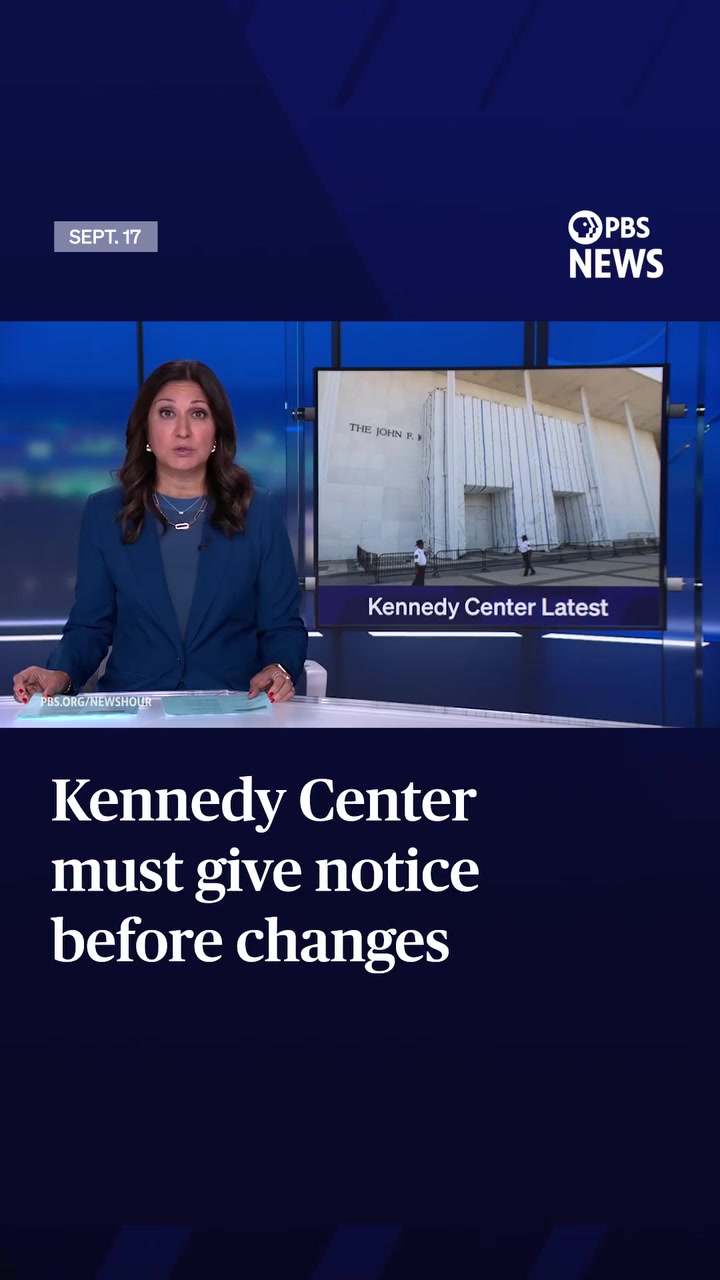
On September 17, a federal judge issued a decision that will shape the future of the John F. Kennedy Center for the Performing Arts. The ruling requires officials to provide 30 days' notice before making any significant physical changes to the building — this includes demolition. While this order aims to preserve the iconic site, it has collided with recent political tensions. The dispute centers on an unexpected proposal: adding President Trump's name to the building.
Historic Spotlight
The Kennedy Center, a hallmark of Washington D.C., stands as a beacon of cultural exchange. It opened in 1971, and since then, it hosts over 3,000 events and welcomes a million visitors each year. The center spans nearly 600,000 square feet. It houses two theaters, three concert halls, and a cinema. The addition of prominent names such as Abraham Lincoln or Martin Luther King Jr. can be a welcome nod to America's heritage. But the name President Trump carries contentious undertones. At present, the center is temporarily closed for renovation.
Legal Grounds
The Kennedy Center can undergo minor physical changes, but significant modifications must have a thirty-day notice. This means that the Washington D.C. court has effectively blocked the proposal to add President Trump's name. Some observers argue that this mandate allows for better preservation of the building, while others consider it governmental overreach.
Political Crossfire
President Trump claims that his administration deserves credit for saving the center. In the meantime, Trump threatens to dismantle the center. This development centers on a larger cultural debate which involves renaming of iconic sites. Which names are added to cultural institutions? Who decides? The federal judge's decision is the latest twist in a tense legal battle over the Kennedy Center. The controversy dates back to when Trump’s name was proposed for the building's honorary rolls, though the idea was met with resistance by many who see it as undeserving.
Naming Controversy
The Kennedy Center has previously honored presidents with plaques, but the president currently requests to be more permanently acknowledged. A notable example of his request is a years-long battle. In 2017 the center saw protests. Trump supporters and protestors used their voices. Other prominent figures, including Martin Luther King Jr. and Abraham Lincoln, have plaques in homage. This ongoing dispute also demonstrates a larger debate about how a significant site of historical and cultural importance should be integrated into modern political practices. Summing up the controversy, Trump emphasized that if the Kennedy Center couldn't honor him, the center would just be "ripped down".
Consequences of Changes
The judge's decision will have significant impacts on the Kennedy Center. For good or ill, the building will face a 30-day notice requirement before making significant changes. Not to mention, the planned demolition request could alter Washington D.C. landscape.
What This Means for Future Presidents
The Kennedy Center controversy raises questions about how future presidents will be commemorated. Further, it highlights the role of government officials in the decision-making process. Will future presidents be commemorated? Are there any other names you think should be added? While the matter has been settled, the public and the courts will be watching. This issue tests the limits of presidential memorialization. It will shape the way major political figures are honored. The implications of the Kennedy Center dispute will affect not only the center but the monument industry.
Summing Up the Debate
The Kennedy Center controversy, arising from a legal battle over naming President Trump, reveals a tension between honoring presidents and preserving cultural integrity. But the requirement for 30 days notice highlights the ongoing debate about the importance of historical preservation. The impact of Trump's name being added to the Kennedy Center remains to be seen.
Questions readers ask
What exactly constitutes a 'significant physical change' to the Kennedy Center that would require a 30-day notice?
The article mentions that significant modifications, including demolition, require a 30-day notice. This likely includes any substantial alterations to the building's structure or appearance, but the exact definition might depend on legal interpretation and the specifics of the changes proposed.
How does the 30-day notice requirement affect the current renovation plans for the Kennedy Center?
The Kennedy Center is currently closed for renovation. The 30-day notice requirement would apply to any significant changes made during this renovation period. It means that officials must give advance notice before proceeding with any major alterations, which could potentially delay or alter the renovation timeline.
What prompted the federal judge to issue this 30-day notice requirement?
The judge's decision was prompted by the proposal to add President Trump's name to the Kennedy Center, which sparked controversy and legal disputes. The requirement aims to preserve the building's historic integrity and allow for public input or objection before significant changes are made.
Is the 30-day notice requirement permanent, or is it subject to change in the future?
The article doesn't specify whether the 30-day notice requirement is permanent or temporary. It's a result of the current legal battle and could potentially be modified or overturned by future court decisions or legislative actions.
How does this ruling compare to how other historic sites or cultural institutions handle name changes or additions?
The Kennedy Center's situation is unique due to the political controversy surrounding it. Other historic sites or cultural institutions may have different policies and processes for name changes or additions, which might not involve a 30-day notice requirement or public disputes.
What are the potential consequences of the 30-day notice requirement for the Kennedy Center's future operations and events?
The notice requirement could potentially impact the Kennedy Center's ability to make timely changes or renovations, which might affect its operations and events. However, it also ensures that any significant changes are carefully considered and subject to public scrutiny, which could help preserve the center's historic and cultural significance.
What is the current status of the proposal to add President Trump's name to the Kennedy Center?
The proposal to add President Trump's name to the Kennedy Center has been effectively blocked by the 30-day notice requirement, as it constitutes a significant change to the building. The controversy surrounding the proposal is ongoing, and the future of the idea remains uncertain.
Related deep dives
Similar reads based on topic and creator.




Recent articles
Fresh deep dives from the latest Reels we unpacked.



Comments
Be the first to comment.