What's Traded on Prediction Markets?
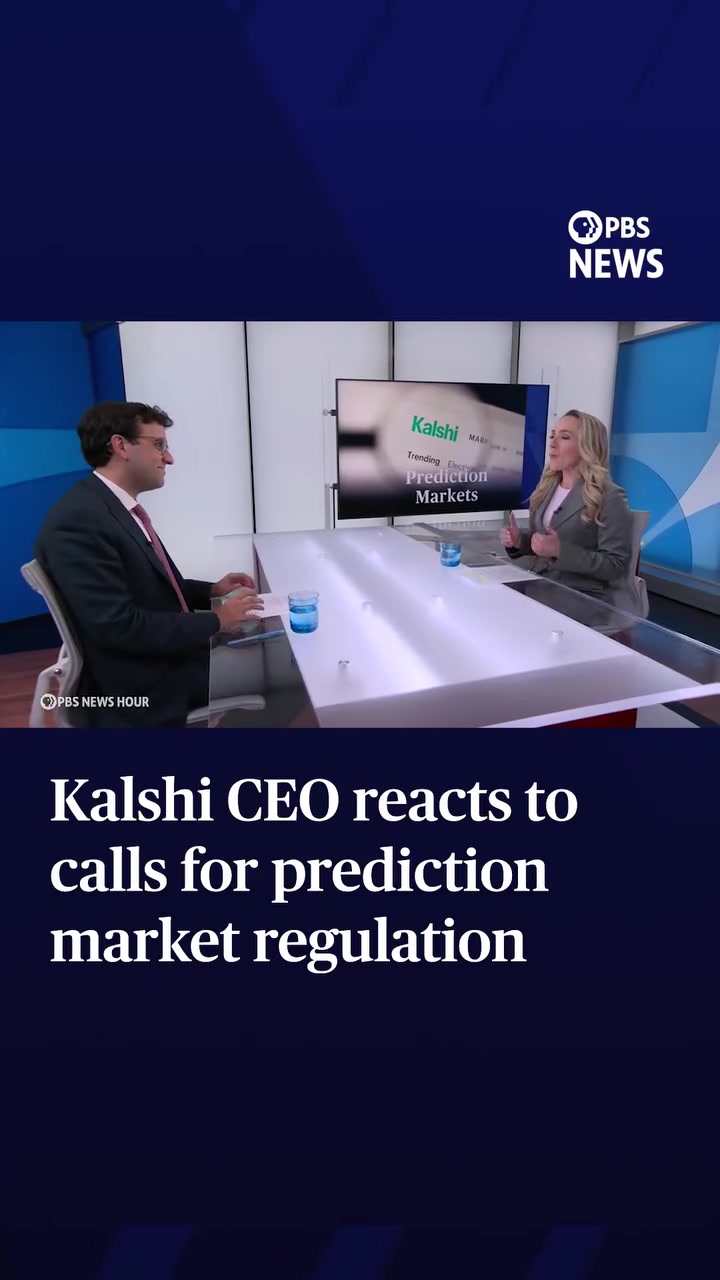
A prediction market is a platform where participants trade contracts based on the outcomes of future events. Unlike traditional financial markets, which focus on commodities, stocks, or currencies, prediction markets allow trading on a vast array of topics. "Prediction markets are trading a broader set of things than normal markets," says the head of Kalshi, a prediction market platform. These markets function like traditional exchanges, matching buyers and sellers to facilitate trades. The key difference is the scope of what's being traded. In traditional markets, you might trade gold futures or interest rate swaps. In prediction markets, topics range from weather and sports to politics and economics. Predictions on technology trends, elections, or even esports are common. The appeal lies in the diversity and the real-world application. Unlike speculative investments, prediction markets encourage participants to predict outcomes based on their understanding and research. This makes them useful for more than just financial gain; they can provide insights into public sentiment and future trends. For instance, Kalshi's midterms hub offers a "wisdom of the crowds without the bias," giving users a metric based on collective predictions rather than traditional polls.
On Agendas to Regulate
In July 2023, New York Attorney General Letitia James sued Kalshi, labeling their platform as a gambling operation. The lawsuit highlights the regulatory scrutiny these markets face. James argued that prediction markets like Kalshi are essentially betting platforms, subject to New York's gambling laws designed to protect children from underage betting and combat addiction. Kalshi, however, asserts that its model is fundamentally different from traditional gambling. The company emphasizes that its platform is an exchange where participants trade with each other, not against the house. This structure promotes price discovery and economic risk reduction, rather than benefiting from customers' losses. The distinction is crucial. In gambling, the house always wins — the revenue comes directly from the customers' losses. In contrast, on prediction markets, participants trade against each other, and the platform's revenue is separate from individual wins or losses.
The Proactive Regulation Strategy
Kalshi's approach to regulation is proactive. Before launching publicly in 2022, the company spent four years getting regulated by federal authorities. This strategy aims to preemptively address regulatory concerns and build a compliant platform from the ground up. The company has implemented several measures to ensure responsible use. It bans markets on morally hazardous topics like war, assassinations, and death. Additionally, Kalshi has a comprehensive customer protection regime that includes banning insider trading and preventing members of Congress and administration from participating in markets they might influence.
The Case for Supplementing Polls
Prediction markets offer a unique perspective on public sentiment. Unlike polls, which can be biased or influenced by the entities commissioning them, prediction markets reflect the collective wisdom of participants who have "skin in the game." This incentive structure promotes truthful predictions, as participants are financially motivated to be accurate. Kalshi’s midterms hub, for example, provides data that is distinct from traditional polling methods. The platform encourages users to engage with a broader set of predictions, making it a valuable supplement to other data sources. This approach can depolarize political discussions by incentivizing accurate and well-researched predictions, ultimately fostering a more truthful conversation.
Addressing Ethical Concerns
Ethical considerations, particularly regarding partnerships, also come into play. Donald Trump Jr. is an advisor to Kalshi, raising questions about potential conflicts of interest given the platform's regulation by the Commodity Futures Trading Commission (CFTC), part of the Trump administration. Kalshi asserts that it works with both sides of the political aisle and that Trump Jr.'s role was primarily about promoting the platform's potential.
The Role of Social Media Rumors
Rumors and misconceptions about prediction markets, such as those spread on social media, can create unnecessary controversies. For instance, a Wall Street Journal report about a series of trades on Kalshi's platform being potentially "wash trading" was dismissed by the company as a misunderstanding of liquidity provisions—a common practice in traditional markets where participants provide small incentives to maintain market activity.
Separating Fact from Fiction
Trading on prediction markets isn't as simple as it seems, and it's essential to understand the nuances. For a clear picture, here are some practical points to consider.
- Understand the Platform: Before engaging, thoroughly understand the platform's rules, fees, and regulatory compliance.
- Research:
- Stay Informed: Keep up with regulatory changes and news that might affect the markets you're interested in.
- Diversify: Don't put all your eggs in one basket. Diversify your predictions across different topics and markets.
- Be Cautious with Rumors: Not everything you read on social media is true. Verify information from reliable sources.
Avoiding Risks
While prediction markets can be exciting, they come with risks. Be cautious about the following:
- Avoid Moral Hazards: Engage in markets that are ethically sound and not associated with harmful outcomes.
- Limit Exposure: Don't overtrade. Set limits on your trading to avoid losing more than you can afford.
- Be Aware of Pumps and Dumps: Watch out for artificial inflation or deflation of markets, often seen in smaller or less regulated platforms.
What Stands Out in the Midst of All This?
Prediction markets are more than just a new way to trade—they're a window into public sentiment and future trends. They offer a different perspective from traditional polling methods, and their incentive structure promotes truthful predictions. While they face regulatory scrutiny and ethical considerations, platforms like Kalshi are proactive in addressing these challenges. For those interested in participating, understanding the rules, staying informed, and being cautious can help navigate this evolving landscape. As prediction markets continue to grow, their role in shaping public discourse and financial decision-making will become increasingly significant.
Questions readers ask
How do prediction markets differ from traditional financial markets?
Prediction markets trade on a broader range of topics compared to traditional financial markets. While traditional markets focus on commodities, stocks, or currencies, prediction markets allow trading on future events like weather, sports, politics, and technology trends. This difference makes prediction markets useful for gaining insights into public sentiment and future trends, not just for financial gain.
What makes Kalshi's prediction market model different from traditional gambling?
Kalshi's model operates as an exchange where participants trade with each other, rather than against the house. This structure promotes price discovery and economic risk reduction, unlike traditional gambling where the house always wins. The platform's revenue is separate from individual wins or losses, making it distinct from a betting operation.
What regulatory challenges does Kalshi face, and how is the company addressing them?
Kalshi faced a lawsuit from the New York Attorney General, who argued that the platform is a gambling operation. To address this, Kalshi emphasizes its exchange model and has implemented measures like banning morally hazardous topics and preventing insider trading. The company has also spent four years getting regulated by federal authorities to build a compliant platform from the ground up.
Why are prediction markets useful beyond financial gain?
Prediction markets provide insights into public sentiment and future trends. Unlike speculative investments, they encourage participants to base their predictions on research and understanding. For instance, Kalshi's midterms hub offers a 'wisdom of the crowds' metric based on collective predictions, providing a less biased view compared to traditional polls.
How does the regulatory strategy of Kalshi differ from other companies in the prediction market space?
Kalshi's approach to regulation is proactive. Before launching publicly, the company spent four years getting regulated by federal authorities. This strategy aims to preemptively address regulatory concerns and build a compliant platform from the ground up, which might be different from other companies that could be more reactive or less thorough in their regulatory processes.
Recent articles
Fresh deep dives from the latest Reels we unpacked.




Comments
Be the first to comment.