The Jew of Mexico — Jews Who Came from Elsewhere, arrived in Mexico and became Mexican.
Let’s start with a fact: you can find Jews who speak Arabic and Spanish. Their arrival in Mexico, after escaping persecution in the Ottoman Empire, Eastern Europe, and the Middle East, tells a story of cultural preservation and identity expansion. For this disparate group, reaching Mexico was a moment of liberation. They arrived with their languages, food, and Jewish traditions, then found a welcoming home. This story isn’t just about how Mexican culture absorbs Jewish culture. It’s about what happens when people are allowed to be free.
The Freedom to Blend.
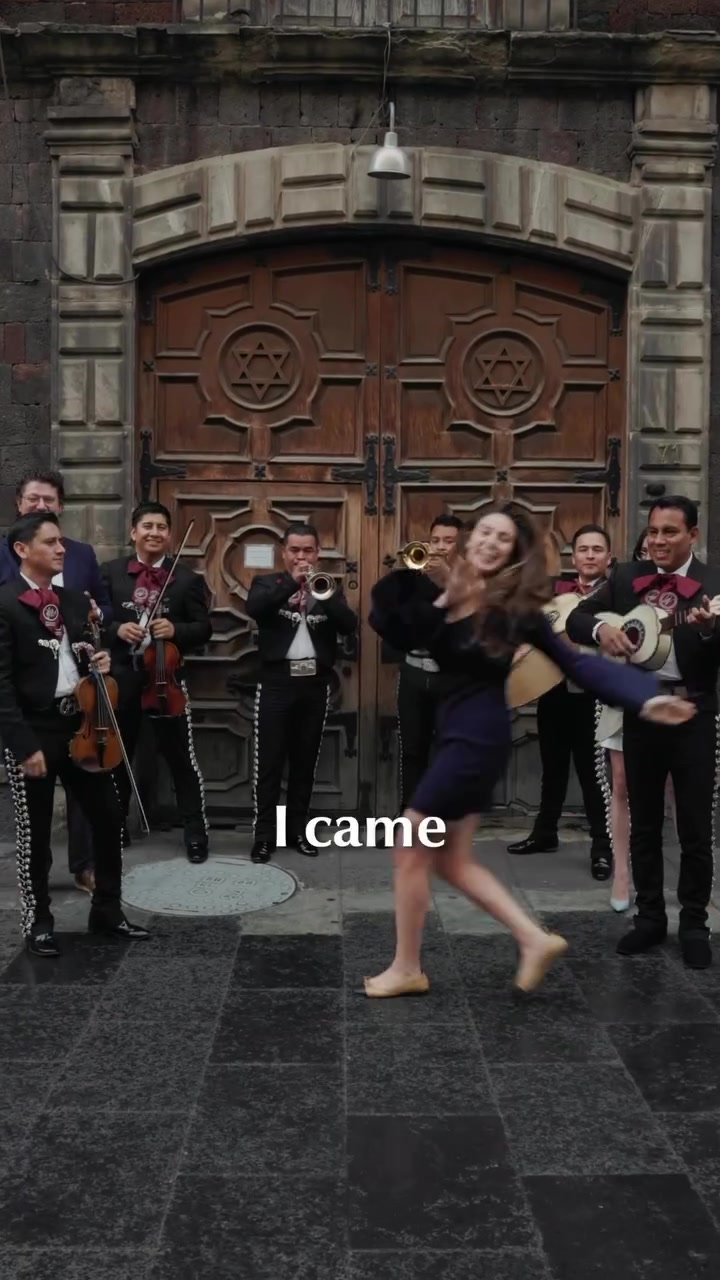
Groups of Jews arrived in Mexico from three main sources. First, there were the Sephardim, those expelled from Spain in 1492. Many came to Mexico directly from the Ottoman Empire, while others escaped persecution in Eastern Europe and the Middle East. Many were fluent in Arabic, Spanish, and Hebrew, and they carried traditional dishes and celebrations. Despite their heritage, they had to quickly assimilate to survive. The key difference is that Mexico allowed them the freedom to preserve their Jewish identity. They started by building their own communities and creating synagogues. They even opened schools, drawing children from all over. A big fix in this plan was that Mexico let them be free. They blended Jewish traditions with Mexican culture, such as hosting a mariachi band performing traditional Jewish music. A rabbi in conventional Mexican attire and Mariachi became commonplace.
Building a Mexican Jew.
"And they didn't have a choice," they reported. "They became both." The integration wasn't immediate. At first, they built their own communities, synagogues, and schools. Eventually, something unexpected happened. They blended Jewish customs with Mexican culture. One standout example is a mariachi band playing a Jewish song. Another distinctive addition is tequila, celebrating Jews of Lebanon at its inception. Its creator was an immigrant who developed the first and best Mexican Kosher tequila. A woman in a pink scarf and blue blazer, in a standout moment, says "I’m proud of my Mexican and Jewish heritage." Another way to be a proud Jew in Mexico is to speak Arabic and Spanish. They don't have to choose. They can blend. This blend of tradition and language is what makes Mexican Jews unique. They created a fusion of Jewish and Mexican customs. Their teasing of tequila and kosher Jewish delight are another example of this.
The Symbiosis of Mexican and Jewish Traditions.
Mariachi-Style Jewish Songs.
When a mariachi band performs a traditional Jewish song, there's more going on than just a musical performance. It's a showcase of Mexico allowing its new arrivals the freedom to express their identity, then embracing it. These bands wear traditional charro attire, but their songs echo the sounds of a different heritage. The blending of fashion and music proves that Mexico welcomes its newcomer cultures.
Purim in Mexico.
Purim is a celebration that is observed in most Jewish communities, but in Mexico, it takes on a unique flavor. Traditionally, it's a holiday where children dress up and listen to the Megillah. In Mexico, it becomes a cultural celebration, where people dance and sing a mix of Mexican and Jewish songs. The woman in the blue blazer said: “I’m a rabbi, and this is Purim in Mexico City.”
Jewish Tequila.
The blend of Jewish and Mexican traditions reaches its peak in a unique creation: a Kosher tequila. Eight glasses a week is common practice. This creation, made by an immigrant from Syria, Lebanon, combines traditional Jewish practices with Mexican culinary heritage. It becomes a symbol of Mexico's welcoming attitude. On Saturdays after the synagogue, we stayed with our friends.
The time-honored rite of pasando la botella is still a sacred tradition — especially after synagogue. We created the first and best Jewish tequila in the world.
Mexican Jews in the Larger World.
Jewish rabbis in Mexico enjoy the freedom of being simultaneously Jewish and Mexican. Mexican culture is all about sharing, which means there's no need to give up any part of your identity. In fact, Identity isn't a zero-sum game. When you see a proud Mexican Arab Jew, you see a person who identifies as a Jew, not someone who had to give up anything. They are all part of what makes Mexico great. There is sentiment that “In most of the world, it is hard to be both. You kind of have to pick,” but in Mexico, they didn't have to choose. They became both.
Questions readers ask
What languages do Mexican Jews typically speak?
Mexican Jews often speak Arabic, Spanish, and Hebrew. This multilingualism is a result of their diverse origins, with many coming from the Ottoman Empire, Eastern Europe, and the Middle East. They have maintained these languages as a part of their cultural heritage.
How did Mexican Jews integrate their cultural traditions with Mexican culture?
Mexican Jews integrated their cultural traditions by blending them with Mexican customs. For instance, they have mariachi bands performing traditional Jewish music, and they celebrate Jewish holidays with a Mexican twist. A notable example is the creation of the first Mexican Kosher tequila by a Jewish immigrant.
What role did Mexico play in allowing Jewish immigrants to preserve their identity?
Mexico played a crucial role by providing a welcoming environment that allowed Jewish immigrants to preserve their Jewish identity while also assimilating into Mexican culture. This freedom enabled them to build their own communities, synagogues, and schools, and to blend their traditions with local customs.
How did the arrival of Jews in Mexico differ from their experiences in other countries?
The arrival of Jews in Mexico differed from their experiences in other countries because Mexico offered them the freedom to preserve their Jewish identity. In contrast, many Jewish communities in Europe and the Middle East faced persecution, forcing them to assimilate or leave. In Mexico, they were able to integrate their traditions with local culture, creating a unique blend.
What is the significance of mariachi bands performing Jewish music in Mexico?
The significance of mariachi bands performing Jewish music in Mexico lies in the cultural fusion it represents. It showcases how Mexican culture welcomes and embraces new traditions, allowing for a unique blend of Jewish and Mexican customs. This fusion is a testament to the freedom and acceptance that Mexican Jews have experienced in their new home.
How do Mexican Jews celebrate Purim differently from other Jewish communities?
While the exact details of Purim celebrations in Mexico are not fully described, the article hints that it takes on a unique flavor, likely incorporating local traditions and customs. This celebration, like other Jewish traditions in Mexico, reflects the blend of Jewish and Mexican cultures, making it distinct from celebrations in other parts of the world.
Can you give an example of a Jewish tradition that has been uniquely adapted in Mexico?
One example is the creation of the first Mexican Kosher tequila by a Jewish immigrant. This not only showcases the integration of Jewish dietary laws with Mexican culture but also highlights how Jewish immigrants have contributed to and been embraced by Mexican society, bringing their own unique flavors to the blend of cultures.
Related deep dives
Similar reads based on topic and creator.



Recent articles
Fresh deep dives from the latest Reels we unpacked.



Comments
Be the first to comment.