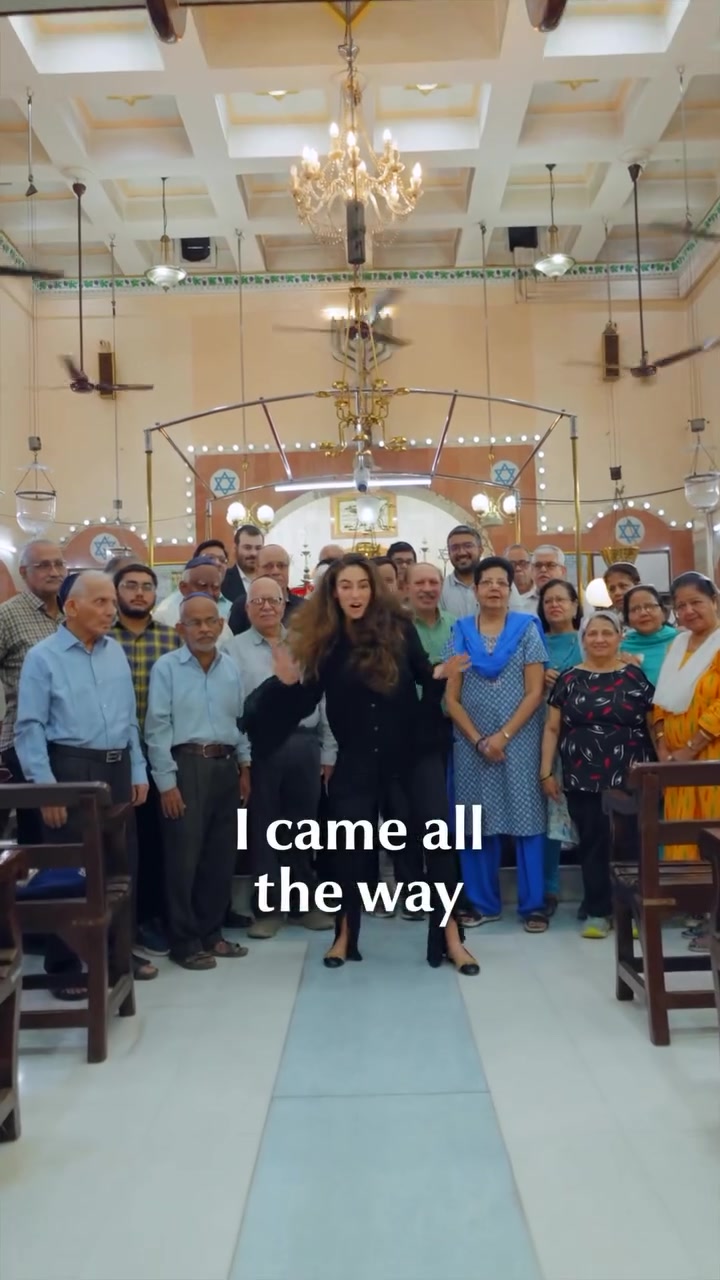
A Journey Through India’s Jewish Communities
I was drawn into an unexpected encounter. Traveling thousands of miles was a journey to find stories of Indian Jews living in India with no persecution. Yes: within the country of over 300,000 synagogues, churches, and mosques, there may be just thousands of Jews. However, the spiritual characters of the Jewish people and the nation of India were cites as elements that kept them alive.
The Indian Jewish Story
This distinctive title of Indian Jews is not merely a reflection of religious belief; it is a testament to resilience, adaptability, and harmony. The Jewish community in India is a diverse tapestry woven over millennia with three distinct groups: the Ben-Israel Jews, the Baghdadi Jews, and the Kochi Jews. Each group has its own unique story and has contributed to India’s cultural heritage. The Ben-Israel Jews arrived in India around 2,000 years ago. Tradition says the group originated from the lost tribe of Israel. In time, they established a community in cities like Mumbai. The group’s majority settled around the western coast of India. The Baghdadi Jews, who came from Iraq, fled persecution and established themselves primarily in Mumbai in the 18th century. They became successful merchants and businessmen, contributing significantly to the city’s growth as a maritime hub. In the south of India, the Kochi Jews have been present since before the time of Jesus. They arrived during the ancient spice trade and built synagogues and even a town called Jewtown in Kochi. The Kochi Jews are part of the oldest Jewish community in the world, with a history tracing back to ancient times.
The Uncommon Experience of Indian Jews
India stands out as one of the very few countries where Jewish people have never faced persecution. Jewish people in India have built their lives and communities peacefully. This unique experience is a stark contrast to the historical persecution faced by Jews in many other parts of the world. Jews in India have integrated seamlessly into the broader Indian society while maintaining their religious and cultural identities. Jewish communities in India have participated in local festivals, danced with their non-Jewish neighbors, and shared meals together. Their experiences reveal a deep sense of mutual respect and acceptance.
The Deep Roots of the Jewish Community
The Ben-Israel Jews
Arriving centuries ago, the Ben-Israel group has a history as long as other heritage in India itself. Experts believe the group appeared in the local culture of Mumbai even before the city became a renowned trading center. Today, the Ben-Israel Jews continue to live and practice their traditions in peace, apart from the current Islamic conflict.
The Baghdadi Jews
The Baghdadi Jews, who fled Iraq in the 18th century, have made significant contributions to India’s economic and cultural landscape. They settled in cities like Mumbai and established themselves as successful merchants and businessmen. Their presence in India is a testament to their resilience and adaptability.
Traditions That Brought Jews to Kochi
India's oldest Jewish community in Kochi, many of them have lived their entire lives in Cochin. Notably, the Cochin Jews have built a Jewish town in Kerala with a Synagogue. The town, known as Jewtown, is a vibrant community where Jewish traditions and customs are still practiced.
The Ancient Spice Trade
The spice trade played a pivotal role in bringing Jews to India. Jewish traders, known as White Jews, followed the spice trail around the time of Jesus. These traders settled in various parts of India, particularly in Malabar and Cochin. The Kochi Jews, who are descendants of these early traders, have maintained their unique identity and cultural practices. The Kochi Jews constructed Synagogues, markets, and roads, all of which are still used today.
- Kochi’s Jews of Malabar Trade and synagogues are still active today. Their traditions are well preserved.
When Anyone Can Be Invited
Everyone interested in visiting Kerala and its oldest Jewish community in India can visit the town of Jewtown. Upon arrival, guests can stroll through the town, explore its synagogues, and interact with the locals. Leah, a Kochi Jew, invites visitors to her house, offering to explain everything about their unique community and traditions. She encourages anyone interested to visit Jewtown and experience the hospitality of the Jewish community firsthand.
- Visit Kochi, Kerala and meet the oldest surviving Jews in India.
- Explore the town of Jewtown in Cochin to see the history of how modern Judaism started.
- Interact with the locals. There, guests will find a community where everyone is like a family.
- Visit Synagogues: The town established synagogues and a town. The heritage is still used to this day.
- Walk Through Historic Jewtown: Visitors can explore the town, which has a rich history and vibrant culture.
When Friendship Remins Unstoppable
The story of Indian Jews is one of resilience, adaptability, and harmony. The Jewish experience in India is unique and has allowed the community to thrive and prosper in a country known for its acceptance. The heritage of the Jews in India has a long history and is still alive today.
Questions readers ask
Who are the three main groups of Jews in India and how did they get there?
The three main groups of Jews in India are the Ben-Israel, Baghdadi, and Kochi Jews. The Ben-Israel Jews arrived around 2,000 years ago and settled mainly along the western coast. The Baghdadi Jews came from Iraq in the 18th century and established themselves as successful merchants in cities like Mumbai. The Kochi Jews, one of the oldest Jewish communities in the world, have been in India since before the time of Jesus, initially arriving during the ancient spice trade.
Why have Jews in India not faced the same persecution as in other parts of the world?
India stands out as one of the few countries where Jews have never faced persecution. This is due to a combination of factors, including the spiritual characters of the Jewish people and the nation of India, as well as a deep sense of mutual respect and acceptance between Jewish communities and the broader Indian society.
How have Indian Jews integrated into broader society while maintaining their religious and cultural identities?
Indian Jews have integrated seamlessly into broader Indian society by participating in local festivals, dancing with their non-Jewish neighbors, and sharing meals together. They have maintained their religious and cultural identities while also embracing the customs and traditions of their Indian neighbors, creating a harmonious coexistence.
What is the significance of the Baghdadi Jews in India's economic development?
The Baghdadi Jews, who fled persecution in Iraq, have significantly contributed to India’s economic growth, particularly in cities like Mumbai. They established themselves as successful merchants and businessmen, playing a key role in the development of Mumbai as a maritime hub. Their resilience and adaptability have left a lasting impact on India's economic and cultural landscape.
What makes the Kochi Jews unique among the Jewish communities in India?
The Kochi Jews are unique because they are part of the oldest Jewish community in the world, with a history tracing back to ancient times. They arrived in India during the ancient spice trade and built synagogues and even a town called Jewtown in Kochi. Their long-standing presence and contributions to the local culture make them a distinct and valuable part of India’s Jewish heritage.
What are some of the traditions that the Ben-Israel Jews have maintained in India?
The Ben-Israel Jews, who have lived in India for over 2,000 years, have maintained a rich set of traditions. Today, they continue to live and practice their traditions in peace, apart from the current Islamic conflict. Their traditions have been integrated into the local culture of Mumbai, where they have lived for centuries, even before the city became a renowned trading center.
What does current Islamic conflict have to do with the Ben-Israel Jews?
The current Islamic conflict has been mentioned as a challenge in the peaceful existence of the Ben-Israel Jews, although the article does not go into detail on the specifics or the extent of the impact. The conflict does not negate the fact that the Jews of India have historically lived in harmony with their neighbors and have integrated into the broader Indian society while maintaining their religious and cultural identities.
Related deep dives
Similar reads based on topic and creator.




Recent articles
Fresh deep dives from the latest Reels we unpacked.




Comments
Be the first to comment.