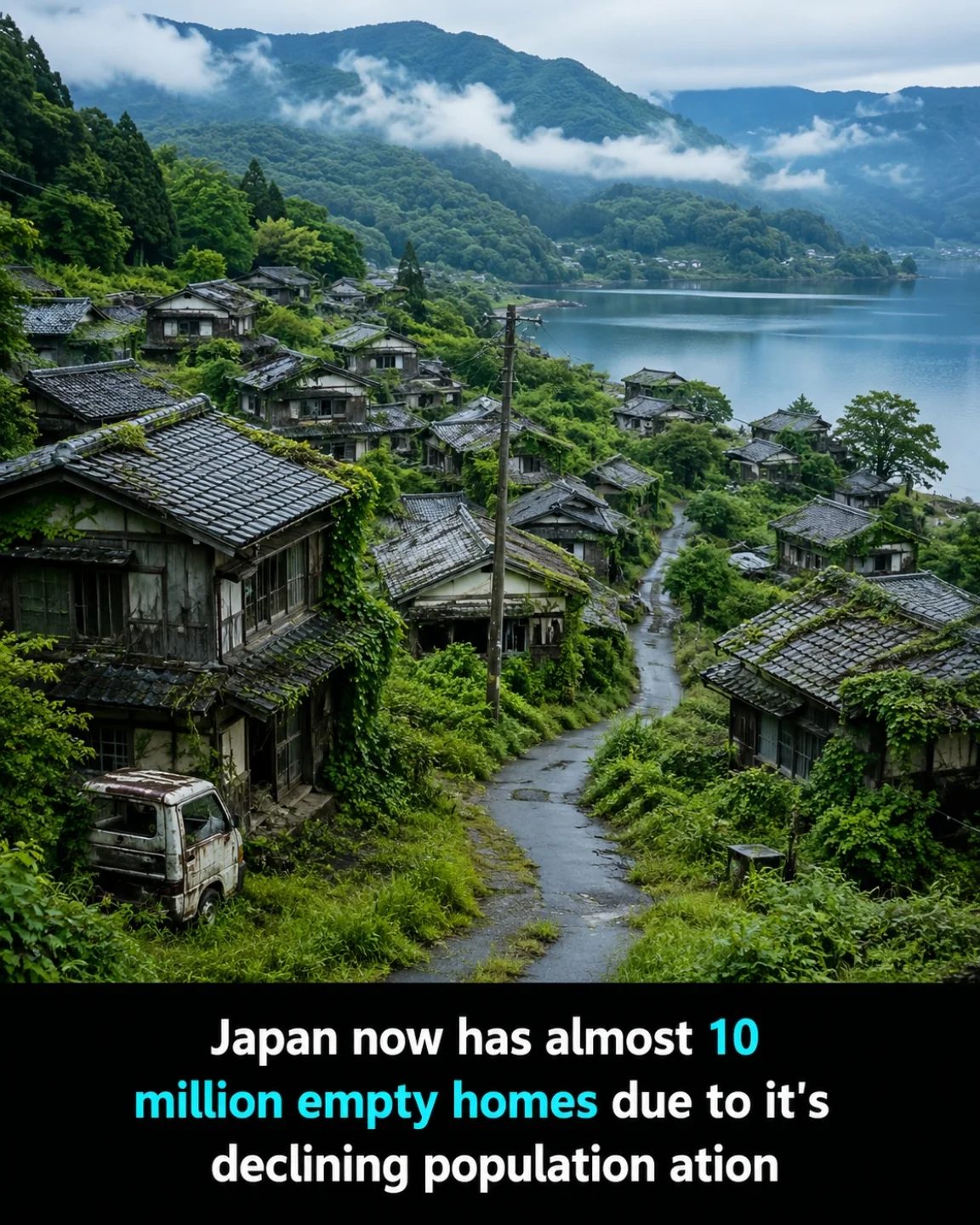
Abandoned Japanese Village
Japan's landscape is dotted with numerous abandoned villages, a stark reminder of the country's demographic challenges. Nestled amidst lush green mountains and serene lakes, these villages offer a melancholic yet captivating view. The houses, once bustling with life, are now dilapidated and overgrown with vegetation, a silent testament to the country's declining population. Japan now has almost 10 million empty homes, a stark statistic that underscores the severity of this issue.
Why This Matters
The phenomenon of abandoned villages in Japan is deeply rooted in the country's demographic trends. Japan has been grappling with a declining and aging population for decades. The low birth rate, coupled with an increasing life expectancy, has led to a shrinking workforce and a significant decrease in the rural population. This demographic shift has left many rural areas, particularly villages, with a severe shortage of residents, leading to their eventual abandonment. Understanding this issue is crucial for comprehending the broader challenges Japan faces, including economic stagnation, labor shortages, and the strain on social services.
Understanding the Issue
The Impact of a Declining Population
The decline in population has far-reaching consequences. Rural areas, which were once thriving communities, have seen a significant exodus of younger generations migrating to urban centers in search of better job opportunities and lifestyles. This migration has left behind an aging population that struggles to maintain the infrastructure and services of these communities. As a result, many homes and businesses have been left empty, leading to a cycle of neglect and decay.
The Economic Implications
The economic impact of abandoned villages is profound. The loss of productivity and the strain on public resources are significant. Local economies that once thrived on agriculture and small-scale industries have been severely affected. The lack of a younger workforce means that there are fewer people to contribute to the economy, leading to lower tax revenues and increased pressure on social services. Additionally, maintaining empty homes and infrastructure is costly, further straining the already limited resources of these communities.
Environmental Considerations
Abandoned villages also raise significant environmental concerns. Neglected buildings and overgrown vegetation can lead to environmental degradation, including soil erosion, loss of biodiversity, and potential hazards from dilapidated structures. The lack of maintenance can also result in water and land pollution, further exacerbating environmental issues.
Main Discussion
The History of Rural Japan
Japan's rural landscape has a rich history dating back centuries. Traditional villages were often self-sustaining communities, with residents engaging in agriculture, fishing, and craftsmanship. These villages were tightly-knit, with strong community bonds and a deep sense of cultural heritage. However, the post-World War II economic boom and subsequent urbanization led to a mass migration from rural to urban areas. This shift has accelerated in recent decades, leaving many villages depopulated and abandoned.
The Role of Urbanization
Urbanization has played a pivotal role in the abandonment of rural villages. The promise of better job opportunities, education, and healthcare has attracted younger generations to urban centers. This trend has been exacerbated by the lack of economic opportunities in rural areas, leading to a vicious cycle of depopulation. As villages become less viable economically, they lose their appeal, further accelerating the decline.
Government Initiatives and Challenges
The Japanese government has implemented various initiatives to address the issue of abandoned villages. Programs aimed at revitalizing rural communities, attracting new residents, and providing financial incentives for businesses to relocate to rural areas have been launched. However, these efforts face significant challenges, including the lack of sustainable economic opportunities and the need for long-term commitment and investment.
Practical Tips
For Potential Residents
For those considering moving to rural Japan, there are several practical steps to take:
- Research the Area: Look into the economic opportunities, community support, and cultural environment of the village.
- Understand the Challenges: Be prepared for the unique challenges of rural living, including limited access to services and potential isolation.
- Seek Financial Incentives: Explore government programs that offer financial incentives for relocating to rural areas.
For Visitors
For visitors, exploring abandoned villages can be a profound experience. Here are some tips:
- Respect the Environment: Be mindful of the delicate ecosystem and avoid damaging any structures or vegetation.
- Stay Safe: Ensure you have the necessary permits and follow safety guidelines, especially when exploring dilapidated buildings.
- Engage with Locals: If possible, connect with local residents to gain insights into the village's history and current challenges.
For Policymakers
Addressing the issue of abandoned villages requires a multi-faceted approach:
- Economic Development: Focus on creating sustainable economic opportunities in rural areas to attract residents and businesses.
- Infrastructure Improvement: Invest in infrastructure to improve access to services and enhance the quality of life in rural areas.
- Community Engagement: Engage with local communities to understand their needs and tailor initiatives to address specific challenges.
Important Takeaways
- Demographic Shift: The declining population in Japan has led to a significant number of abandoned villages, particularly in rural areas.
- Economic Impact: The economic consequences of these abandoned villages are severe, affecting local economies and placing a strain on public resources.
- Environmental Concerns: Neglected villages pose environmental risks, including soil erosion, loss of biodiversity, and potential hazards from dilapidated structures.
- Government Initiatives: Various government programs aim to revitalize rural communities, but they face significant challenges.
- Future Steps: Addressing this issue requires a combination of economic development, infrastructure improvement, and community engagement.
Conclusion
The abandoned villages of Japan offer a poignant reminder of the country's demographic and economic challenges. The decline in population has left many rural areas in a state of neglect, with significant economic and environmental implications. While government initiatives aim to revitalize these communities, addressing the underlying issues requires a comprehensive and sustained effort. Understanding the complexities of this phenomenon is crucial for anyone interested in Japan's future, whether as a potential resident, visitor, or policymaker.
Questions readers ask
What causes the abandonment of villages in Japan?
The primary causes are Japan's declining population and economic stagnation in rural areas. Many young people move to cities for better job opportunities, leaving behind mostly elderly residents who eventually pass away, resulting in empty homes and villages.
How many empty homes are there in Japan?
As of recent estimates, Japan has around 10 million empty homes. This staggering number reflects the extent of rural depopulation and the challenges posed by an aging population.
What are some common characteristics of abandoned villages in Japan?
These villages are often found in scenic locations, such as near mountains or lakes. They typically feature dilapidated homes overgrown with vegetation, creating a melancholic atmosphere that contrasts with their once-thriving past.
Why does Japan face rural depopulation?
Japan's rural depopulation is mainly due to its low birth rate and increasing life expectancy, which leads to a shrinking and aging population. Additionally, economic opportunities are often concentrated in urban areas, driving young people to move to cities.
What are some of the broader challenges highlighted by Japan's abandoned villages?
These villages underscore Japan's demographic and economic challenges, including a declining population, an aging society, and rural economic stagnation. They serve as a reminder of the broader structural issues facing the country.
Are there efforts to revitalize these abandoned villages?
Yes, there are various initiatives aimed at revitalizing these areas. Some efforts include attracting tourists, promoting remote work, and encouraging new residents to move in and revitalize these villages. However, the success of these efforts varies widely.
What makes the landscape of abandoned Japanese villages unique?
The unique landscape of these villages is often marked by their serene and picturesque settings, combining natural beauty with a sense of melancholy. The juxtaposition of lush greenery and crumbling buildings creates a captivating and somber atmosphere.
Related deep dives
Similar reads based on topic and creator.




Recent articles
Fresh deep dives from the latest Reels we unpacked.




Comments
Be the first to comment.