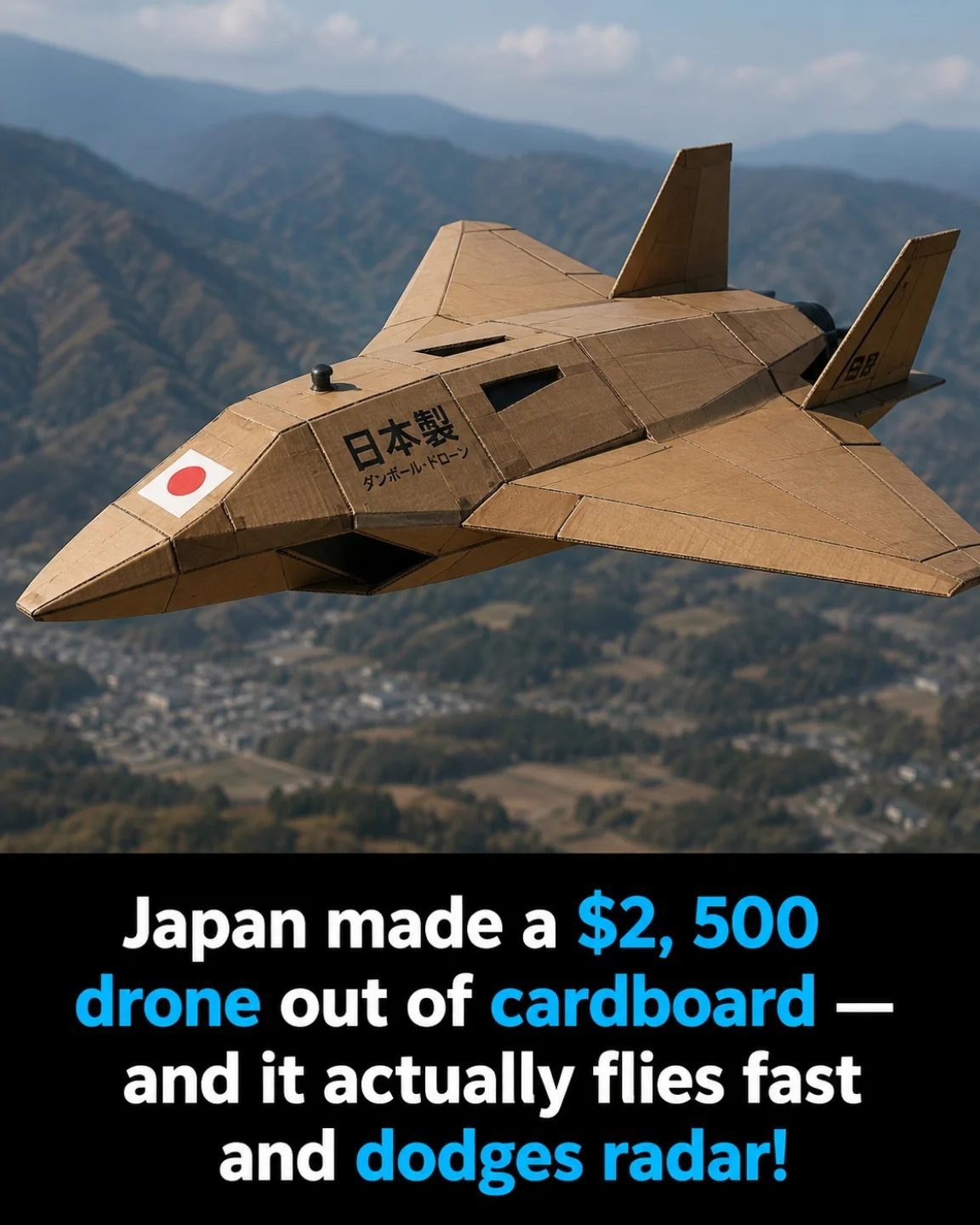
Cardboard Drones: The Surprising World of DIY Aerial Craft
Cardboard drones are a fascinating blend of creativity and technology, representing a unique niche in the world of unmanned aerial vehicles. These drones, often crafted from simple cardboard, challenge conventional notions of what a drone can be, proving that even the most basic materials can be used to create functional and impressive flying machines. Let's dive into the world of cardboard drones, their significance, and what makes them so intriguing.
Why This Matters
Cardboard drones are more than just a novelty; they represent a growing trend in DIY aeronautics. These drones show that innovation doesn't always require high-tech materials or advanced manufacturing processes. Instead, they demonstrate the potential of resourcefulness and ingenuity. Understanding the capabilities and limitations of cardboard drones can provide valuable insights into the broader field of drone technology.
The Basics of Cardboard Drones
Materials and Design
Cardboard drones are typically made from lightweight, sturdy cardboard, often reinforced with additional layers or materials to ensure durability. The design of a cardboard drone can vary widely, but many are modeled after more traditional aeronautical designs. It's not uncommon to see these drones shaped like fighter jets, complete with intricate details and markings. The Japanese markings and flag seen on one such drone add a distinctive touch, highlighting the influence of global aeronautical design.
Functional Capabilities
While cardboard drones may seem like a novelty, they boast impressive capabilities. The drone showcased in the video claims to be able to fly fast and dodge radar, which is a remarkable feat for a craft made from cardboard. This capability is particularly interesting, as it demonstrates the potential for stealth technology in DIY aeronautics. The fact that a cardboard drone can perform such advanced maneuvers challenges our perceptions of what is possible with simple materials.
Practical Tips for Building Your Own Cardboard Drone
Building a cardboard drone can be a rewarding project. Here are some practical tips to help you get started:
Choosing the Right Materials
Start with high-quality, durable cardboard. Avoid using flimsy or recycled cardboard, as it may not withstand the stresses of flight. Reinforce critical areas with additional layers or adhesive materials to ensure structural integrity. Using a sturdy cardboard is essential for constructing a reliable and functional drone.
Designing Your Drone
When designing your cardboard drone, consider the aerodynamic properties of the shape you choose. Fighter jet designs are popular due to their sleek and aerodynamic profile. Incorporate features like wings, stabilizers, and a nose cone to enhance stability and performance. Japanese markings and flags can add a unique, distinctive touch to your design, making your drone visually striking.
Incorporating Electronics
The electronics are the heart of any drone. Choose lightweight but powerful motors, propellers, and a control system that can handle the weight and dimensions of your cardboard drone. Ensure that all components are securely fastened to the drone to prevent them from falling off during flight. Additionally, consider adding a small camera or sensor for recording flights or gathering data.
Testing and Refinement
Before attempting a full flight, conduct thorough ground tests to ensure that all components are functioning correctly. Gradually increase the complexity of your tests, starting with short hops and progressing to longer flights. Be prepared to make adjustments and refinements based on your observations and test results. This iterative process will help you refine your design and improve performance.
Important Takeaways
Cardboard drones offer a unique perspective on the potential of DIY aeronautics. They demonstrate the possibilities of creating functional and impressive drones using simple, cost-effective materials. Key takeaways from exploring cardboard drones include:
- Innovation: Cardboard drones showcase the innovative potential of utilizing everyday materials in aeronautical engineering.
- Functional Capabilities: Despite their simple construction, cardboard drones can perform advanced maneuvers and potentially even dodge radar.
- Cost-Effectiveness: Building a cardboard drone is significantly more affordable than purchasing or constructing a high-end drone, making it an accessible project for enthusiasts of all ages.
Conclusion
Cardboard drones are a testament to human ingenuity and creativity. They challenge conventional notions of what a drone can be and demonstrate the incredible potential of DIY aeronautics. Whether you're an aeronautics enthusiast or simply curious about the possibilities of cardboard drones, exploring this unique field can provide valuable insights and a rewarding hands-on experience.
Questions readers ask
What are cardboard drones and how do they function?
Cardboard drones are DIY aerial vehicles crafted from cardboard, often inspired by traditional aircraft designs. They function by incorporating lightweight electronics, such as motors and control systems, into the cardboard structure, allowing for controlled flight. These drones prove that basic materials can perform surprisingly well in the skies.
What makes the Japanese cardboard drone notable?
The Japanese cardboard drone is remarkable for its speed and ability to evade radar detection. By using simple materials, this drone challenges conventional drone technology, demonstrating that stealth capabilities are achievable even with basic components.
Can cardboard drones be used for radar-evading purposes?
Yes, cardboard drones, like the Japanese model, can be designed to evade radar detection. This is achieved through specific designs that minimize radar cross-section, making them less visible to radar systems. This makes them an intriguing option for those interested in stealth drone technology.
What materials are typically used to build a cardboard drone?
Beyond cardboard, these drones typically require lightweight electronics such as small motors, propellers, and a flight controller. Additional materials like glue, scissors, and other crafting tools are also essential for assembly and design.
How does the Japanese drone video demonstrate its capabilities?
The Japanese drone video showcases the drone's speed, agility, and radar-proof features. By seeing the drone in action, viewers get a clear sense of its performance and the potential of simple materials in creating sophisticated aerial craft.
How do cardboard drone designs mimic traditional aircraft?
Cardboard drone designs often replicate the shapes and structures of traditional aircraft, such as fighter jets. This not only makes them aesthetically pleasing but also helps in achieving better flight dynamics and stability, mimicking real-world aerodynamics.
What are the benefits of building a DIY drone from cardboard?
Building a DIY drone from cardboard offers several advantages, including cost-effectiveness, ease of assembly, and the opportunity to learn about aeronautics. It also encourages creativity and innovation, as builders can customize their designs and experiment with different features.
Related deep dives
Similar reads based on topic and creator.

Recent articles
Fresh deep dives from the latest Reels we unpacked.




Comments
Be the first to comment.