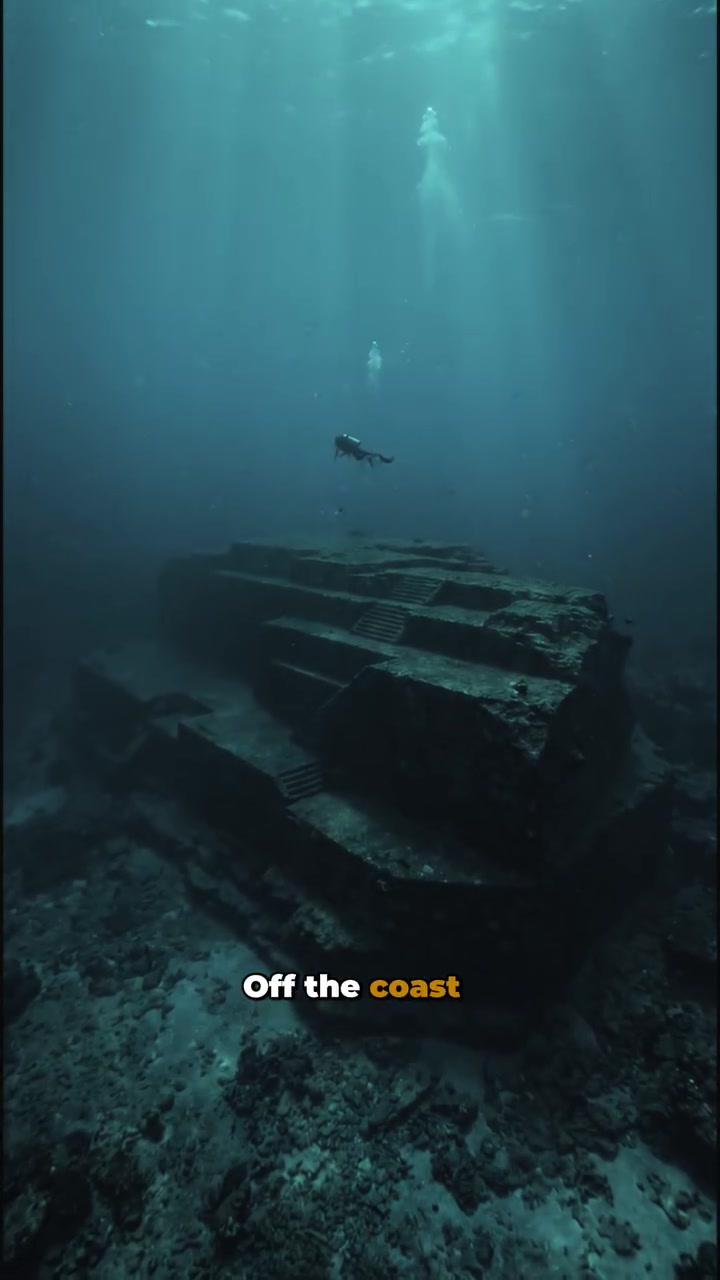
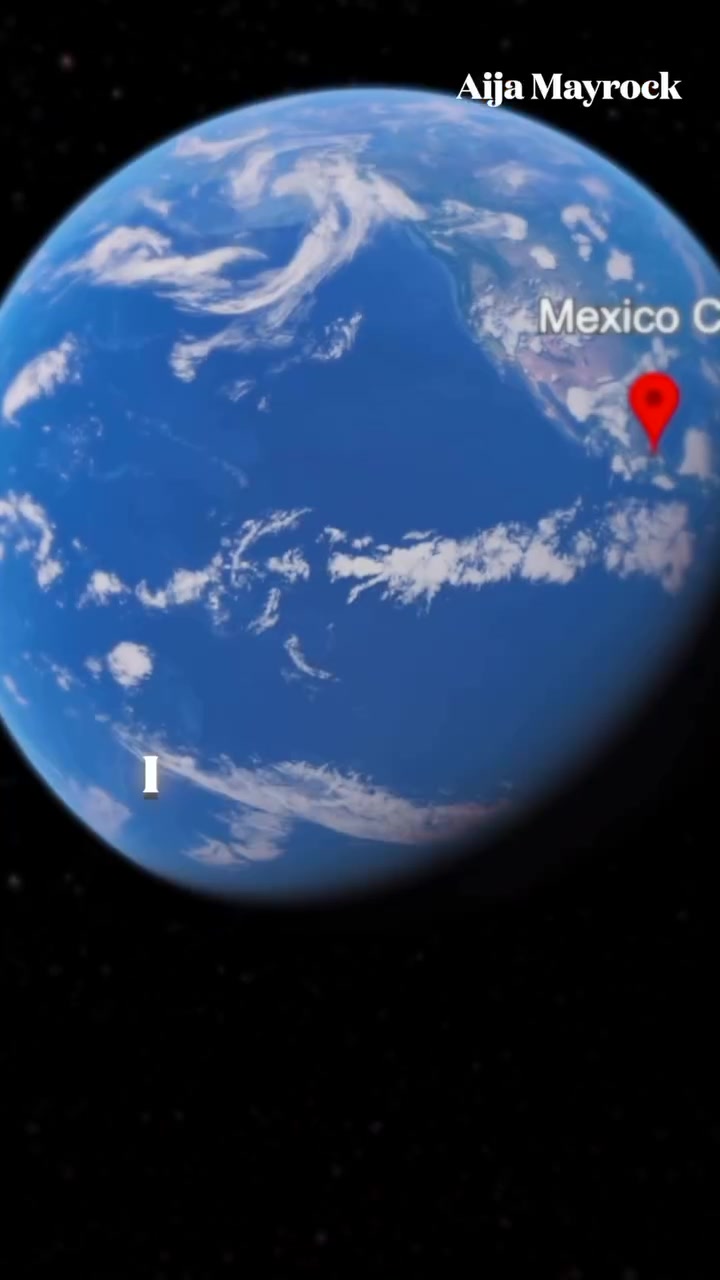
Off the coast of Japan, a diver in 1986 stumbled upon a mystery: a 25-meter-tall stone structure hidden beneath the waves, a perplexing sight with flat terraces, straight walls, and sharp 90-degree angles, reminiscent of something made by human hands. The site has puzzled scientists and marine experts ever since.
What lurks 25 miles out from the shore?
The structure's sheer scale and geometric precision, alongside the fact it is underwater, makes it hard to pin down. The site, located off the coast of Japan, it stands 25 meters tall, and its design—flat terraces, straight walls, and near-perfect 90° angles—suggests deliberate human construction, as opposed to natural formations. However, the absence of any known civilization capable of such engineering at the time the structure was submerged, coupled with its remote location, makes this theory highly debated.
The timeline of submerged settlements
The structure is 25 metres tall and features flat terraces, straight walls, and sharp 90° angles. Carved into sandstone, though fractured into straight blocks by earthquakes and currents, today what is seen is trickier to define. The structure lies off the coast of Japan, submerged more than 10,000 years ago at the end of the last ice age. During this period, the sea levels rose dramatically, swallowing a great deal of land. This helps explain why this mysterious site, whatever it may be, remains underwater. If the structure is man-made, it predates any known civilization and supports the idea of a lost civilization prior to the known timeline of history — a civilization which managed to build a city and develop architecture that can be mistaken for natural sandstone structures under the sea. If it is, in fact, carved by human hands, then the question turns to the origin of that human civilization. The structure would be over 10,000 years old, making it significantly older than any known civilization, such as the Egyptians, Romans, or Greeks. This would mean that the civilization responsible for building the structure predates these well-documented civilizations by thousands of years, a revelation that could rewrite human history.
Is there a city underneath the sea?
The structure has been studied for over 20 years by at least one marine geologist, who believes it to be man-made, suggesting a lost city under the sea. Some theories propose that the structure was originally a city with temples, roads, and even a stadium. These hypotheses would support the idea of a highly developed civilization that thrived and built significant structures, only to vanish under the waves and disappear from human memory. This idea, however, remains highly controversial and largely unproven, as the exact age and origins of the structure remain a mystery.
The lost city's design details
The underwater site's design is a conundrum. The presence of flat terraces, straight walls, and sharp right angles suggests meticulous human craftsmanship. This implies that the city, if it existed, would have been meticulously planned and executed. Unlike many natural formations, the structure's precise angles and uniformity are hard to explain away as purely natural phenomena. However, the structure's fractured state, with straight blocks fragmented by earthquakes and currents, only adds to the puzzle.
Standing alongside other ruins
There are other ruins whose existence and origins have defied clear explanations. For one, Yonaguni Monument—a structure located off the coast of Japan that displays a similar complex, geometric formation to the underwater ruins—was found in 1985. Both structures are submerged underwater and display similar features, including terraces and right angles, but the exact origins and construction timelines of both structures are still debated. As with the mysterious underwater ruins, the Yonaguni Monument also raises questions about human ingenuity and the potential existence of more advanced, lost civilizations.
A test of time
The structure off the coast of Japan has become a something of a myth, what is its true origin? A top dive spot off the coast of Kuroshima Island, some still claim it is evidence of a lost civilization. Dr. Masaki Kimura, a marine geologist, has studied the site for over 20 years and remains convinced that the structure is man-made.
Underwater exploration adventure
Your chance to explore the underwater ruins lies in your own personal diving capabilities. The structure, at 25 meters tall, can be accessed at a dive depth of 25 meters. For a safe exploration, plan for regular deep diving certifications. Additionally, the currents and depths can change, making communication and safety checks critical. As these ruins are popular diving sites, the shore will have local diving regulations that must be adhered to. Check local regulations: International guidelines can vary, but preparation includes diving checks for proper equipment. As the ruins are surrounded by ocean waters in various states, ensure you have the right certification and gear. Communication planning: Establish proper communication practices with your team. You and your dive partners should regularly check in to ensure safety. Visual assessment: A 10-year study by a marine geologist concluded the structure is man-made but remains open for exploration. As you approach the site, assess the structure visually for verification.
The ocean's silent testament
As the ocean floor keeps its secrets, only the rocks can tell the tale. Yet whether the stony testament is a lost city or an illusion of nature, the mystery of underwater ruins is a testament to the vast unknowns of the ocean and the potential secrets hidden beneath the waves.
Questions readers ask
What does the underwater structure in Japan look like?
The underwater structure is a 25-meter-tall stone formation with flat terraces, straight walls, and sharp 90-degree angles. It's carved into sandstone and has been fractured into straight blocks by earthquakes and currents, but its geometric precision is still evident.
How old is the underwater structure believed to be?
The structure is believed to be over 10,000 years old, submerged at the end of the last ice age when sea levels rose dramatically. This timeline places it significantly older than any known civilization, such as the Egyptians, Romans, or Greeks.
Why is it difficult to determine if the structure is man-made?
The structure's remote location, lack of any known civilization capable of such engineering at the time, and its current state, fractured by natural forces, make it challenging to definitively classify it as man-made. Its precise geometry, however, suggests deliberate human construction.
What does the structure suggest about human history?
If the structure is indeed man-made, it could indicate the existence of a lost civilization that predates known human history by thousands of years. This would mean that a highly developed civilization thrived and built significant structures, only to vanish under the waves and disappear from human memory.
How is the structure different from natural sandstone formations?
The structure's precise geometric features, such as flat terraces, straight walls, and sharp 90-degree angles, are difficult to explain away as purely natural phenomena. These features suggest meticulous human craftsmanship and planning, unlike many natural formations.
Are there any theories about what the structure was originally used for?
Some theories propose that the structure was originally a city with temples, roads, and even a stadium. However, these hypotheses remain highly controversial and largely unproven, as the exact age and origins of the structure are still a mystery.
Related deep dives
Similar reads based on topic and creator.



Recent articles
Fresh deep dives from the latest Reels we unpacked.




Comments
Be the first to comment.