Rainbow Crop Protection
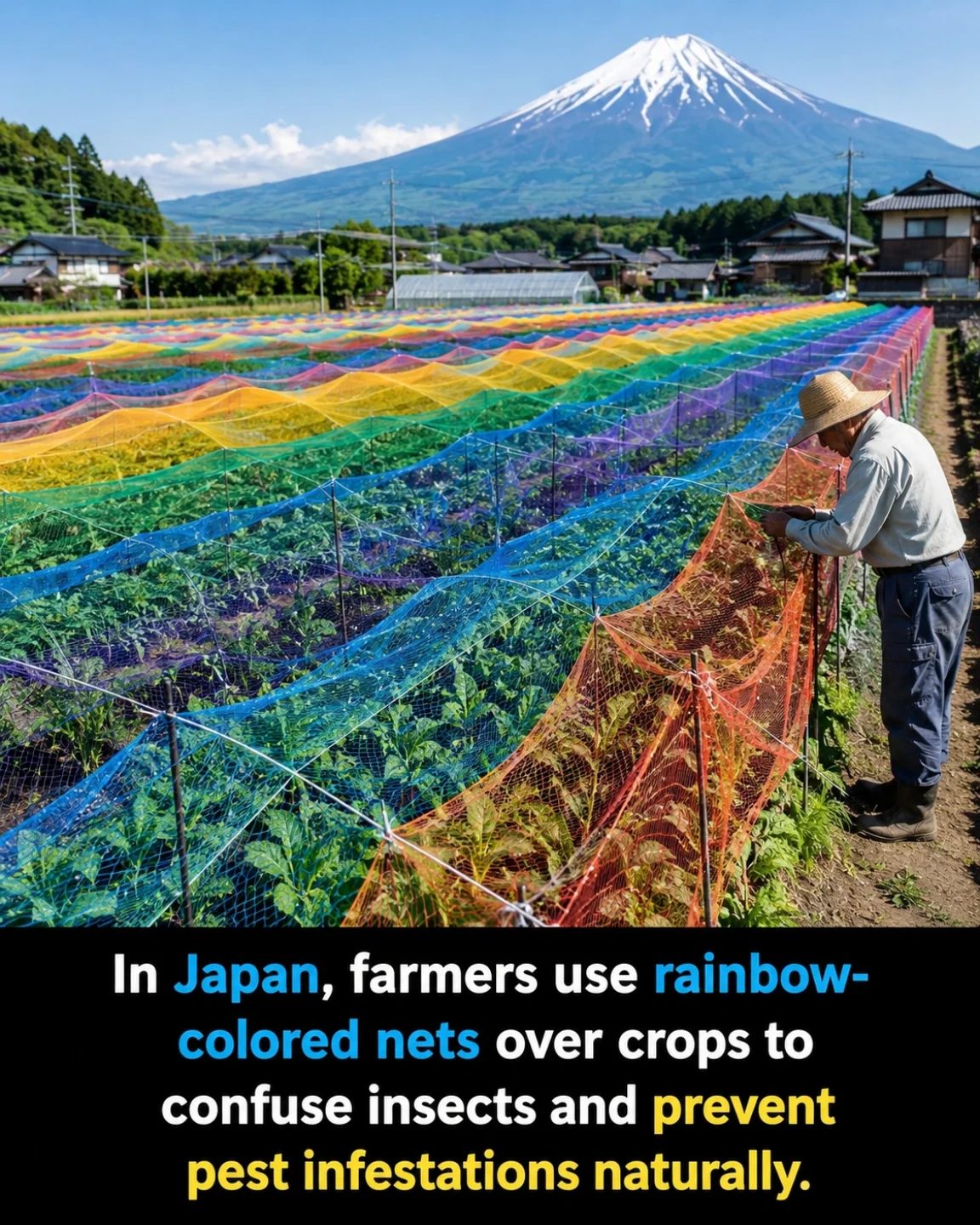
In the heart of Japan, farmers have devised a unique and colorful method to protect their crops from pests. By using rainbow-colored nets, they create a natural barrier that confuses insects and prevents infestations. This innovative approach not only safeguards the crops but also adds a vibrant touch to the agricultural landscape.
Why This Matters
Pests are a significant threat to crop health and yield. Traditional methods of pest control often rely on chemical pesticides, which can have adverse environmental effects. By adopting natural and visual deterrents, farmers can reduce their dependency on chemicals, promoting a more sustainable and eco-friendly approach to agriculture.
Main Discussion
The Science Behind Rainbow-Colored Nets
The effectiveness of rainbow-colored nets lies in their ability to disrupt the visual cues that insects rely on to find their hosts. Many pests use color and shape to locate specific plants. By covering crops with nets that feature a spectrum of colors, the visual landscape becomes disorienting. This disruption makes it difficult for insects to identify and target the crops, significantly reducing the likelihood of infestation.
The Benefits of Natural Pest Control
Using rainbow-colored nets offers several advantages over conventional pest control methods:
- Environmental Impact: By reducing the use of chemical pesticides, farmers can minimize environmental pollution and promote biodiversity. Beneficial insects and pollinators are less likely to be harmed, contributing to a healthier ecosystem.
- Cost-Effectiveness: Although the initial investment in colored nets may be higher, the long-term benefits can outweigh the costs. Reduced need for pesticides and lower crop loss due to pests can lead to significant savings.
- Crop Health: Natural pest control methods like colored nets do not introduce harmful chemicals into the soil or crops, ensuring healthier produce for consumption.
Real-World Implementation
Japanese farmers have demonstrated the practical application of this method. The rainbow-colored nets are laid over the crops, creating a protective layer that visually confuses pests. Farmers often combine this with other natural pest control methods, such as crop rotation and the use of beneficial insects, to enhance the overall effectiveness of their strategy.
Practical Tips
If you're a farmer interested in adopting this method, here are some practical tips:
- Choose the Right Net: Ensure the nets are durable and made of high-quality materials to withstand weather conditions. The colors should be bright and evenly distributed to maximize the confusion effect.
- Proper Installation: Cover the entire crop area to ensure comprehensive protection. Secure the nets firmly to prevent gaps where pests could enter.
- Monitor Regularly: Regularly inspect the nets for any signs of damage or wear and tear. Replace them as needed to maintain their effectiveness.
- Combine Methods: For optimal results, combine the use of rainbow-colored nets with other natural pest control methods. This integrated approach can provide a more robust defense against pests.
Important Takeaways
The use of rainbow-colored nets in agriculture is a creative and effective way to naturally manage pests. By disrupting the visual cues that insects rely on, farmers can protect their crops without resorting to harmful chemicals. This method not only benefits the environment but also ensures healthier produce for consumers.
Conclusion
Innovative solutions like rainbow-colored nets are paving the way for a more sustainable future in agriculture. By embracing natural pest control methods, farmers can protect their crops, reduce environmental impact, and promote a healthier ecosystem. Whether you're a small-scale farmer or part of a large agricultural operation, exploring visual deterrents like colored nets can be a game-changer in your pest management strategy.
Questions readers ask
How do colored nets help in pest control?
Colored nets work by disrupting the navigation and visual cues that insects rely on to find their host plants. When crops are covered with these nets, pests have difficulty locating their food sources which reduces the probability of infestation and damage to crops.
What are the benefits of using colored nets over chemical pesticides?
Colored nets offer several benefits over chemical pesticides. They are eco-friendly, reducing environmental harm and preserving natural habitats. Additionally, they lessen the risk of chemical buildup in the soil and do not pose health risks to farmers or consumers through residual chemicals.
Can colored nets be used for all types of crops?
Colored nets are versatile and can be used for a variety of crops. However, the specific colors and configurations of the nets might need to be adjusted based on the type of pests and the specific crops being protected. Farmers might experiment with different setups to find the most effective solution for their particular needs.
How effective are colored nets in reducing pest damage?
Studies have shown that colored nets can significantly reduce pest damage. By confusing and deterring insects, these nets help to minimize crop losses. While effectiveness can vary based on the specific pests and environmental conditions, many farmers in Japan have reported noticeable improvements in crop health and yield due to their use.
Are there any downsides to using colored nets for pest control?
While colored nets are generally beneficial, they do have some limitations. The initial cost of setting up the nets can be high, and maintenance is required to ensure the nets remain effective. Additionally, in some cases, nets might hinder pollination if they are not designed to allow pollinators through, so careful planning is necessary to mitigate these issues.
How do farmers in Japan implement the colored nets in their agricultural practices?
Farmers in Japan typically install colored nets over their crops, creating a barrier that insects struggle to penetrate. The nets are strategically placed to cover the crops during critical growth stages, ensuring that pests are deterred from the start. Regular monitoring and maintenance of the nets help to sustain their effectiveness throughout the growing season.
What other natural pest control methods are used in Japan alongside colored nets?
Japan's farmers employ a variety of natural pest control methods in addition to colored nets. These include using natural predators like ladybugs and birds, employing trap crops to draw pests away from main crops, and practicing crop rotation to disrupt pest life cycles. These methods are often combined to create a comprehensive and sustainable pest management strategy.
Related deep dives
Similar reads based on topic and creator.



Recent articles
Fresh deep dives from the latest Reels we unpacked.



Comments
Be the first to comment.