Solar Energy Architecture: Innovations in Solar Panels
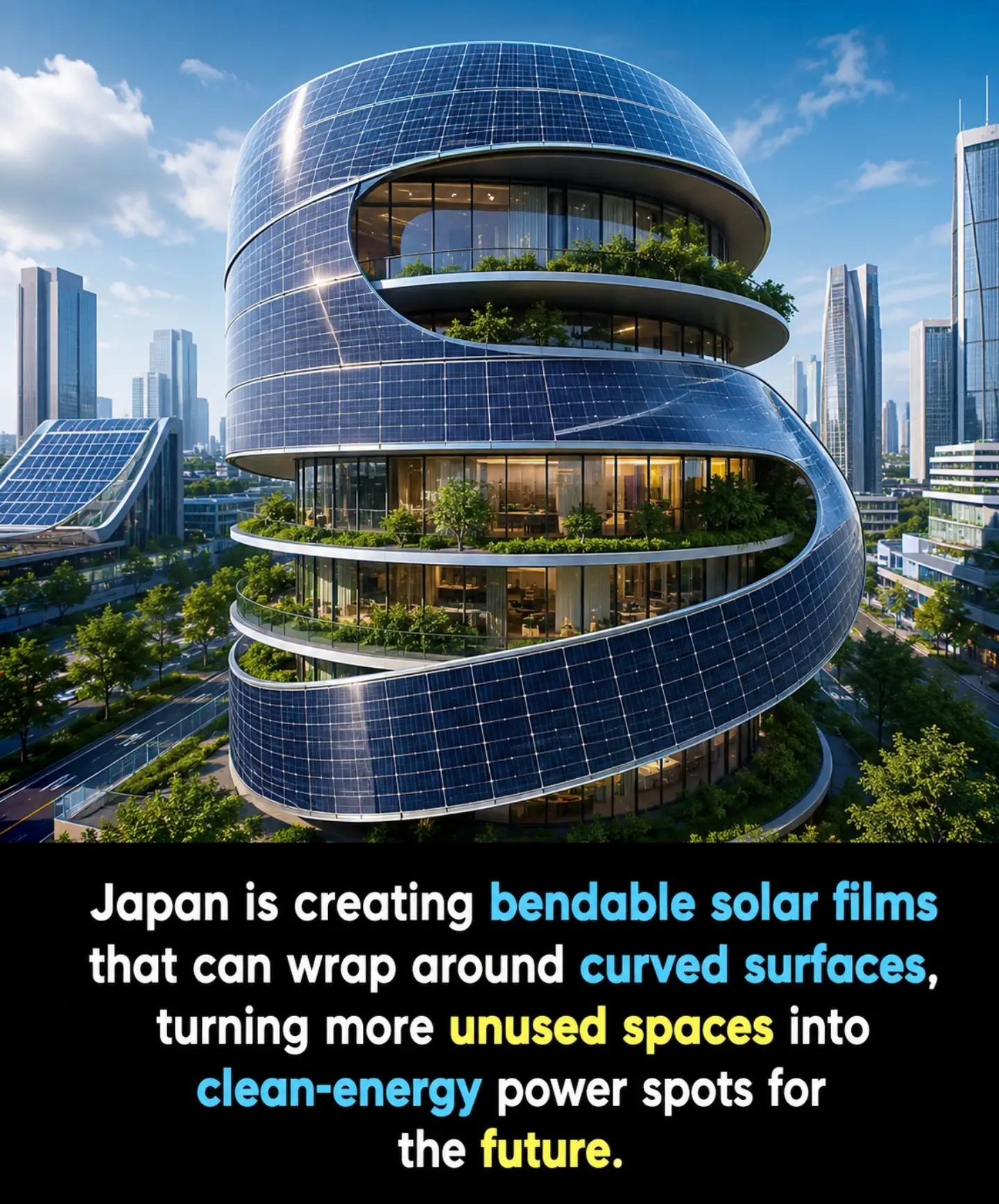
A spiraling building covered in solar panels, seamlessly integrated into a modern cityscape—this is the vision of the future for solar energy architecture. Japan is at the forefront of this innovation with bendable solar films that can wrap around curved surfaces, maximizing the use of unused spaces to generate clean energy.
Why This Matters
The potential for solar energy is vast, yet traditional solar panels have limitations. They are rigid, flat, and typically require large, open spaces. This constraint is a significant barrier to widespread adoption, especially in urban areas where space is at a premium. Japan's bendable solar films offer a revolutionary solution, transforming curved and irregular surfaces into productive energy sources.
Innovations in Solar Panel Technology
Bendable Solar Films
One of the most exciting developments in solar technology is the creation of flexible, bendable solar films. Unlike traditional solar panels, which are rigid and limited to flat surfaces, these films can conform to a variety of shapes and surfaces. This flexibility opens up a world of possibilities for integrating solar energy into the built environment.
How It Works
Bendable solar films utilize advanced materials and manufacturing processes to create thin, lightweight, and flexible panels. These films are made from organic photovoltaic (OPV) cells, which are more adaptable than traditional silicon-based cells. OPV cells can be printed onto flexible substrates, allowing them to bend and curve without compromising their efficiency.
Utilizing Unused Spaces
The real power of bendable solar films lies in their ability to harness energy from spaces that would otherwise go unused. In urban environments, where vertical surfaces are abundant, these films can be applied to building facades, rooftops, and even curved structures. This not only maximizes energy generation but also reduces the visual impact of solar installations.
Applications in Modern Architecture
Designers and architects are already exploring the creative possibilities of bendable solar films. For example, a futuristic architectural design featuring a spiraling building covered in these films can generate substantial amounts of clean energy. The integration of solar technology into the building's design promotes sustainability without sacrificing aesthetics.
- Curved Surfaces: Buildings with curved or irregular shapes, previously challenging for traditional solar panels, can now be fully utilized for energy generation.
- Building Facades: Vertical surfaces, such as walls and windows, can be turned into energy-producing assets.
- Rooftops: Flat and curved rooftops can be covered with these films to maximize solar energy capture.
Design and Aesthetics
One of the key considerations in solar energy architecture is aesthetics. Traditional solar panels, with their bulky and often unsightly appearance, can be a deterrent. Bendable solar films, on the other hand, offer a sleek and modern design that can blend seamlessly into various architectural styles.
Innovative Designs
Bendable solar films can be designed to mimic the appearance of traditional building materials, such as glass or metal. This versatility allows architects to integrate solar technology into their designs without compromising the visual appeal of the structure. Moreover, the flexibility of these films enables the creation of dynamic and visually striking installations that can transform the look of a building.
Practical Tips for Implementing Bendable Solar Films
Evaluating the Site
Before implementing bendable solar films, it's essential to evaluate the site for optimal energy generation. Consider factors such as sunlight exposure, shading, and the orientation of surfaces. This assessment will help determine the most effective placement of the films for maximum energy output.
Choosing the Right Materials
Selecting the right materials is crucial for the durability and efficiency of bendable solar films. Opt for films with high energy conversion rates and excellent weather resistance. Additionally, ensure that the adhesive or mounting system used to attach the films to surfaces is reliable and long-lasting.
Installation Process
The installation of bendable solar films can vary depending on the surface and the specific design of the structure. Here are some general steps to follow:
- Prepare the Surface: Clean and prepare the surface to ensure proper adhesion. Remove any dirt, debris, or contaminants that could affect the performance of the films.
- Apply the Films: Carefully apply the films to the surface, ensuring they are smooth and free of wrinkles. Use a roller or other tools to press the films firmly onto the surface.
- Connect to the Power System: After installation, connect the films to the building's power system. This may involve installing electrical components such as inverters and batteries to store and distribute the generated energy.
Important Takeaways
Bendable solar films represent a significant advancement in solar energy technology. Their ability to conform to curved and irregular surfaces opens up new possibilities for integrating solar energy into the built environment. By maximizing the use of unused spaces and enhancing the aesthetic appeal of solar installations, these films can play a crucial role in promoting clean energy adoption.
Conclusion
Integrating solar energy into modern architecture is no longer just a futuristic concept; it's becoming a reality. Japan's innovation in bendable solar films is paving the way for a future where clean energy is seamlessly integrated into our daily lives. By harnessing the power of the sun from unexpected and previously unused spaces, we can move closer to a sustainable and energy-efficient world.
Questions readers ask
What are bendable solar films and how do they differ from traditional solar panels?
Bendable solar films are thin, flexible sheets that can generate electricity from sunlight. Unlike traditional solar panels, which are rigid and flat, these films can conform to curved surfaces, making them ideal for installation on irregular or non-standard surfaces. This flexibility opens up new possibilities for solar energy generation in urban environments.
How can bendable solar films benefit urban areas?
Urban areas often lack large, open spaces suitable for traditional solar panels. Bendable solar films address this challenge by utilizing curved and irregular surfaces that would otherwise go unused. This maximizes energy generation in space-constrained environments, making solar power more accessible in cities.
Who is leading the development of bendable solar films?
Japan is at the forefront of developing bendable solar films and is pioneering their use in urban solar energy solutions. Their advancements in this field are transforming the landscape of solar energy architecture, offering new ways to integrate clean energy into modern cityscapes.
What types of surfaces can bendable solar films be applied to?
Bendable solar films can be applied to a variety of surfaces, including curved walls, domes, and other irregular shapes. This versatility allows for creative integration into building designs, such as wrapping around the spiraling structure of a building or covering rounded surfaces on modern architectural designs.
Are bendable solar films as efficient as traditional solar panels?
The efficiency of bendable solar films is comparable to traditional solar panels and continues to improve with technological advancements. While initial versions may have had slight efficiency differences, ongoing research and development are closing this gap, making flexible solar panels a viable option for clean energy generation.
What are the advantages of integrating bendable solar films into building design?
Integrating bendable solar films into building design offers several advantages. It allows for seamless architectural solar integration, enhancing the building's aesthetics while generating clean energy. Additionally, it can help reduce a building's carbon footprint and lower energy costs, contributing to sustainable urban development.
Can bendable solar films be used for residential applications?
Yes, bendable solar films can be used in residential applications. Homeowners with limited roof space or irregularly shaped surfaces can benefit from these films. They can be applied to surfaces like curved roofs, walls, or even integrated into outdoor structures, providing a flexible solution for generating clean energy at home.
Recent articles
Fresh deep dives from the latest Reels we unpacked.




Comments
Be the first to comment.