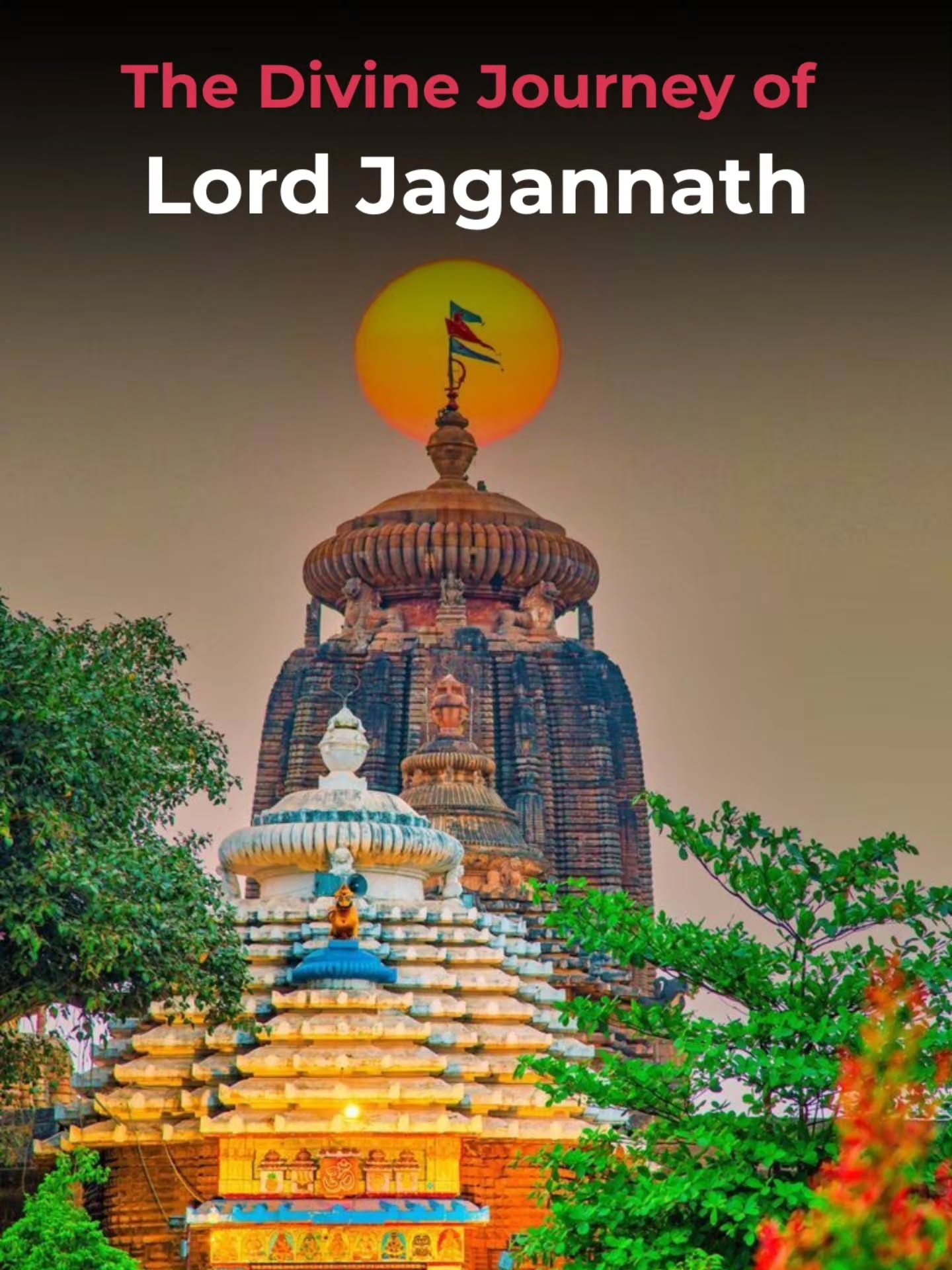
Jagannath Temple in Puri, India
Nestled along the eastern coast of India, the Jagannath Temple in Puri stands as one of the most revered and fascinating religious sites in the country. This temple is not just a place of worship but also a testament to the rich cultural and architectural heritage of India. The temple's unique architecture and the intriguing phenomenon of its flag fluttering against the wind have captivated visitors and devotees for centuries.
Why this matters
The Jagannath Temple holds immense significance for Hindus, particularly those who follow the Vaishnavism tradition. It is one of the four Char Dham pilgrimage sites, making it a crucial destination for spiritual seekers. The temple is dedicated to Lord Jagannath, a form of Lord Vishnu, and is renowned for its annual Rath Yatra, or chariot festival, which attracts millions of devotees from around the world.
The Architecture and Significance of the Temple
The temple's architecture is a marvel in itself. The main structure, known as the Nila Chakra, features intricate carvings and stunning artwork that tell the tales of ancient legends and deities. The temple is built in the Kalinga style of architecture, characterized by its grandeur and ornate details. The main temple, surrounded by a high wall, has four gates, each facing one of the four cardinal directions.
The most notable feature of the temple is its flag, which is said to flutter against the wind in a direction opposite to the usual wind direction. This peculiar phenomenon has baffled scientists and mystics alike. While some attribute it to divine intervention, others offer more scientific explanations, such as the unique design of the flagpole and the wind patterns in the region.
The Divine Journey of Lord Jagannath
Lord Jagannath, whose name translates to "Lord of the Universe," is believed to be a manifestation of Lord Vishnu. According to legend, the temple was constructed by King Indradyumna of Malwa. The deity's idols, carved from a sacred tree, are unique in their simplicity and are adorned with a wide range of vibrant garments and ornaments during festivals.
The temple's history is marked by several legends and stories that add to its mystical charm. One such story tells of the divine origin of the temple's idols, which were miraculously found in a log of wood that had washed ashore. Another legend speaks of the challenges faced by King Indradyumna in constructing the temple, which were eventually overcome with divine intervention.
The Flag at Jagannath Temple
One of the most intriguing aspects of the Jagannath Temple is its flag, which seems to defy natural laws by always fluttering in a direction opposite to the prevailing wind. This phenomenon has been a source of wonder and curiosity for generations. There are several theories about why this happens, but none have been conclusively proven.
The Jagannath Temple: A Place of Faith and Fascinating Legends
The temple is not only a place of faith but also a repository of fascinating legends. The annual Rath Yatra, or chariot festival, is one of the most significant events associated with the temple. During this festival, the idols of Lord Jagannath, Balabhadra, and Subhadra are taken out in a grand procession on elaborately decorated chariots. Devotees from all over the world gather to pull these chariots, seeking the blessings of the deities.
The festival is a celebration of the divine journey of Lord Jagannath and is marked by elaborate rituals and ceremonies. The chariots, which are massive structures, are pulled through the streets of Puri, with thousands of devotees participating in this sacred ritual. The atmosphere during the Rath Yatra is electric, with devotional songs, chants, and the sound of conches filling the air.
Practical tips for Visiting Jagannath Temple
If you plan to visit the Jagannath Temple, here are some practical tips to make your trip smooth and memorable:
Best Time to Visit
The best time to visit the temple is during the winter months, from October to February, when the weather is pleasant. However, if you wish to experience the grandeur of the Rath Yatra, plan your visit during June or July.
What to Wear
Dress modestly, as the temple is a place of worship. Both men and women should wear clothes that cover their shoulders and knees. Avoid wearing shorts or sleeveless tops.
Things to Carry
Carry a water bottle, as the temple complex is vast, and you might need to walk a lot. Also, bring a small bag to carry your personal belongings, as large bags are not allowed inside the temple.
Accommodation
Puri has a range of accommodation options, from budget hotels to luxury resorts. It's advisable to book your stay in advance, especially during the festival season.
Important takeaways
The Jagannath Temple is a symbol of faith, culture, and architectural brilliance. Its unique features, such as the fluttering flag and the annual Rath Yatra, make it a must-visit destination for anyone interested in spirituality and cultural heritage.
The temple's significance lies not just in its religious importance but also in the numerous legends and stories associated with it. These tales add a mystical charm to the temple, making it a place of wonder and fascination.
Conclusion
The Jagannath Temple in Puri, India, offers a mesmerizing blend of spirituality, architecture, and cultural richness. Whether you are a devotee seeking blessings or a traveler looking to explore the wonders of India, a visit to the Jagannath Temple is bound to be an unforgettable experience.
Questions readers ask
Why is the flag at the Jagannath Temple in Puri unique?
The flag at the Jagannath Temple is unique because it appears to defy wind patterns, often blowing in the opposite direction of the wind. This mysterious phenomenon has intrigued visitors and devotees for centuries, adding to the temple's allure and mystique.
What is the significance of the Rath Yatra at the Jagannath Temple?
The Rath Yatra, or Chariot Festival, is a significant annual event at the Jagannath Temple. It commemorates Lord Jagannath's journey to his aunt's temple, and it's a vibrant celebration that draws millions of devotees who participate in the procession or watch the chariots be pulled through the streets of Puri.
Who is Lord Jagannath, and why is he honored in Puri?
Lord Jagannath is a form of Lord Vishnu, and he is honored in Puri as the presiding deity of the Jagannath Temple. He is revered by devotees of the Vaishnavism tradition, who believe that he protects and guides them on their spiritual journey.
Can non-Hindus visit the Jagannath Temple?
Non-Hindus are not allowed inside the main temple premises as it is a sacred site dedicated to Hindu worship. However, they can explore the outer areas and enjoy the architectural beauty and cultural ambiance from outside. This includes viewing the flag and observing the Rath Yatra from a distance.
What is the architecture of the Jagannath Temple like?
The architecture of the Jagannath Temple is a blend of Kalinga, Dravidian, and other architectural styles. It features intricately carved stone structures, tall spires, and ornate sculptures that showcase the rich cultural heritage of the region.
What are some notable legends associated with the Jagannath Temple?
The Jagannath Temple is surrounded by numerous legends. One prominent legend involves King Indradyumna, who is believed to have had a vision of Lord Jagannath and constructed the temple. Another legend tells of how the temple's flag defies wind patterns, symbolizing the power and mystery of the divine.
What are the best times to visit the Jagannath Temple?
The best times to visit the Jagannath Temple are during the annual Rath Yatra in June or July, which is a vibrant and exciting event. Additionally, the months of October to February offer pleasant weather, making it a comfortable time to explore the temple and its surroundings.
Related deep dives
Similar reads based on topic and creator.




Recent articles
Fresh deep dives from the latest Reels we unpacked.




Comments
Be the first to comment.