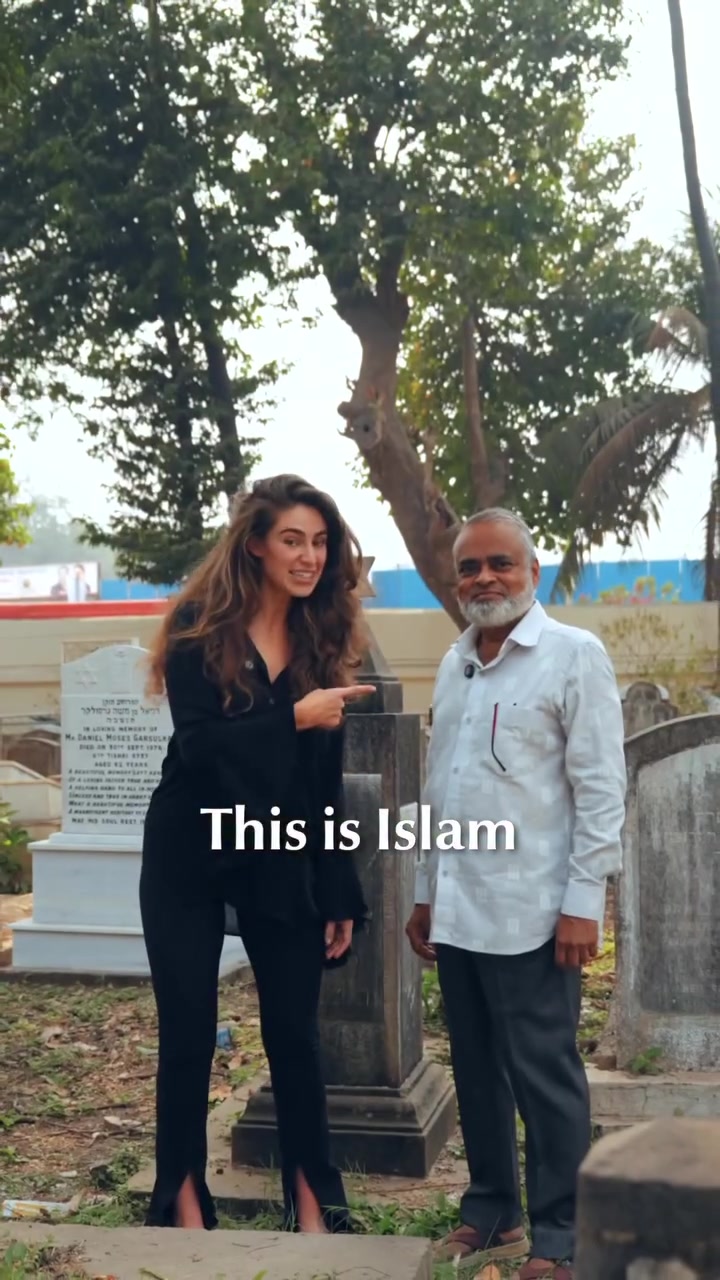
As Islam leans over the grave of a forefather, the worn edges of the tombstone come into view. They are a testament to his legacy and the legacy of a work begun in 1982. And it is Islam, a Muslim, who maintains this final resting place for the Jews of India, caring for the gravestones of a community that has largely left the region. The tombstones bear Hebrew inscriptions, carefully carved by hand by Islam and his family. He has spent decades honing his skill, and the cemetery is now a testament of his devotion. Over 75 years, he and his family have preserved the site, even though most of the Jews in this community departed decades ago. These caretakers have stayed due to a sense of loyalty, not obligation. Islam has transformed his skills and responsibilities into a deeply personal commitment. Now, Islam finds his religious identity by not recognizing differences, but when he sees the work he is doing, he sees the good that he has done for others while on this planet.
The Land and the Laundry
The cemetery is more than a graveyard in India. It showcases the work of Islam and his family as caretakers of the Jewish cemetery. Islam is a Muslim, and his family has maintained this cemetery for over 75 years. He is a caretaker, carrying this legacy from his father and great-grandfather forward. He, his father, and great-grandfather have been the pillars, keeping the cemetery up to date and well-organized. His legacy begins with the original caretaker of the cemetery, a Jewish man who met Islam’s father. They started working together, learning to carve on stone. They learned Hebrew. He even taught him Hebrew. For Islam, this is more than just a job—it’s a legacy. When the Jewish man passed away and the community continued to leave, Islam's family stayed. He knew his family's legacy and knew he didn't have to be asked to stay. He stayed to preserve the memory of the departing Jews. Islam and his family’s dedication to looking after this cemetery in India has been more than dedication. It is their devotion to the land and their responsibility of being the carriers of the legacy left by the Jews of the community. The dedication has gone both ways. Their work has been met with respect and understanding from the Jews. The cemetery is a testament of the harmony between religions.
Care Leadership in the Cemetery
Islam began his work in 1982, as one of the primary caretakers of the Jewish cemetery. With the Jewish community leaving India over the decades, it became his responsibility to maintain the cemetey. He begins his day by cleaning the cemetery, sweeping the ground of any litter, and trimming the plants and the vines that have grown around the tombstones. Islam knows each stone from top to bottom. He knows the history they commemmorate. His most prized tools are his hands and his knife. They are the jewels for his legacy, due to his knowledge of Hebrew. With the help of his father and great-grandfather, he learned the Hebrew alphabet. He used it to create the names of the deceased. Today, with his father and great-grandfather gone, he continues the legacy by continuing to carve and write these names.
The Art of the Tombstone
Islam crafts each tombstone by hand. It’s a practice that goes beyond just artistry; it’s a reverence for the life commemorated. Each carving is an act of devotion, every name etched deeply into the surface of the stone. Islam has been meticulously honing his skill, and the inscriptions speak volumes about his dedication. The stone carvings involved carving the names of the deceased in Hebrew, carving symbols, and creating wire decorations and crossed palms. While the names on the tombs were written in Hebrew, the inscriptions on the stones are written in Urdu and Hebrew.
A Legacy of Unity
The inscription and carving wouldn’t be possible without Islam’s knowledge of the Hebrew and Urdu alphabets. On the tombs, “I hope to die with Islam and his helper,” Islam said. “For I am going to die, and our religions will not matter. I hope to die and see the good that we’ve done for each other.” Another phrase from Islam translated to, “In our world, there are no other religions.” Islam’s family teaches him that they don’t see any difference between themselves and other religions. Islam and his family understand the importance of maintaining and preserving the traditions of religions other than their own. It’s a reality that has made the Jewish cemetery and graveyard a symbol for unity, something that Islam and his family would hope to preserve.
Carve Your Legacy
If honoring a legacy and crafting a lifelong commitment interests you, exploring the family’s line of work could make sense. Whether you’re a stone-mason, a Hebrew translator, or simply passionate about the legacy and history of India, diving into this work could be an enriching experience. If you’re looking to give your local cemetery a similar treatment, consider these steps:
- Tread Lightly: Avoid adding toilsome decorations or markings that could damage the stones over time, or aiding the decay of the deceased.
- Create tombstones by hand: Carefully craft each one, resepecting the life it commemorates.
- Learn the Hebrew Alphabet: Embrace the challenge and dive into the script of another language and the traditions that go with it. By doing so, you could be carving your own legacy, similar to the one Islam and his family have left in the Jewish cemetery.
Questions readers ask
How did Islam's family first become involved in caring for the Jewish cemetery?
Islam's family's involvement began when his great-grandfather started working with a Jewish man who was the original caretaker of the cemetery. They learned to carve on stone and even learned Hebrew together, passing down this skill and responsibility through generations.
What kind of maintenance does Islam perform at the cemetery daily?
Islam starts his day by cleaning the cemetery, which includes sweeping the ground, removing litter, and trimming plants and vines around the tombstones. He uses his hands and a knife to carve and maintain the Hebrew inscriptions on the tombstones.
What tools does Islam use to create the tombstones, and how did he learn to use them?
Islam uses his hands and a knife to carve the Hebrew inscriptions on the tombstones. He learned these skills from his father and great-grandfather, who taught him the Hebrew alphabet and the art of stone carving.
What happens when Islam is working on the tombstones?
When Islam is working on the tombstones, he is meticulously carving the Hebrew inscriptions. He uses his hands and a knife, honing the skills he has learned over the decades. He knows the history behind each stone, and his work is a testament to his devotion and legacy.
What role does Islam's religious identity play in his work at the cemetery?
Islam's religious identity as a Muslim does not hinder his work at the cemetery. Instead, he finds his religious identity in the good he does for others, regardless of their religious background. He sees his work as a deeply personal commitment and a way to preserve the memory of the departing Jewish community.
How does the Jewish community view Islam's work at the cemetery?
The Jewish community has shown respect and understanding towards Islam and his family's dedication. Their work has been met with harmony, and the cemetery stands as a testament to the interfaith cooperation and respect between the two communities.
Related deep dives
Similar reads based on topic and creator.


Recent articles
Fresh deep dives from the latest Reels we unpacked.



Comments
Be the first to comment.