Wind Turbine Blade Bridges
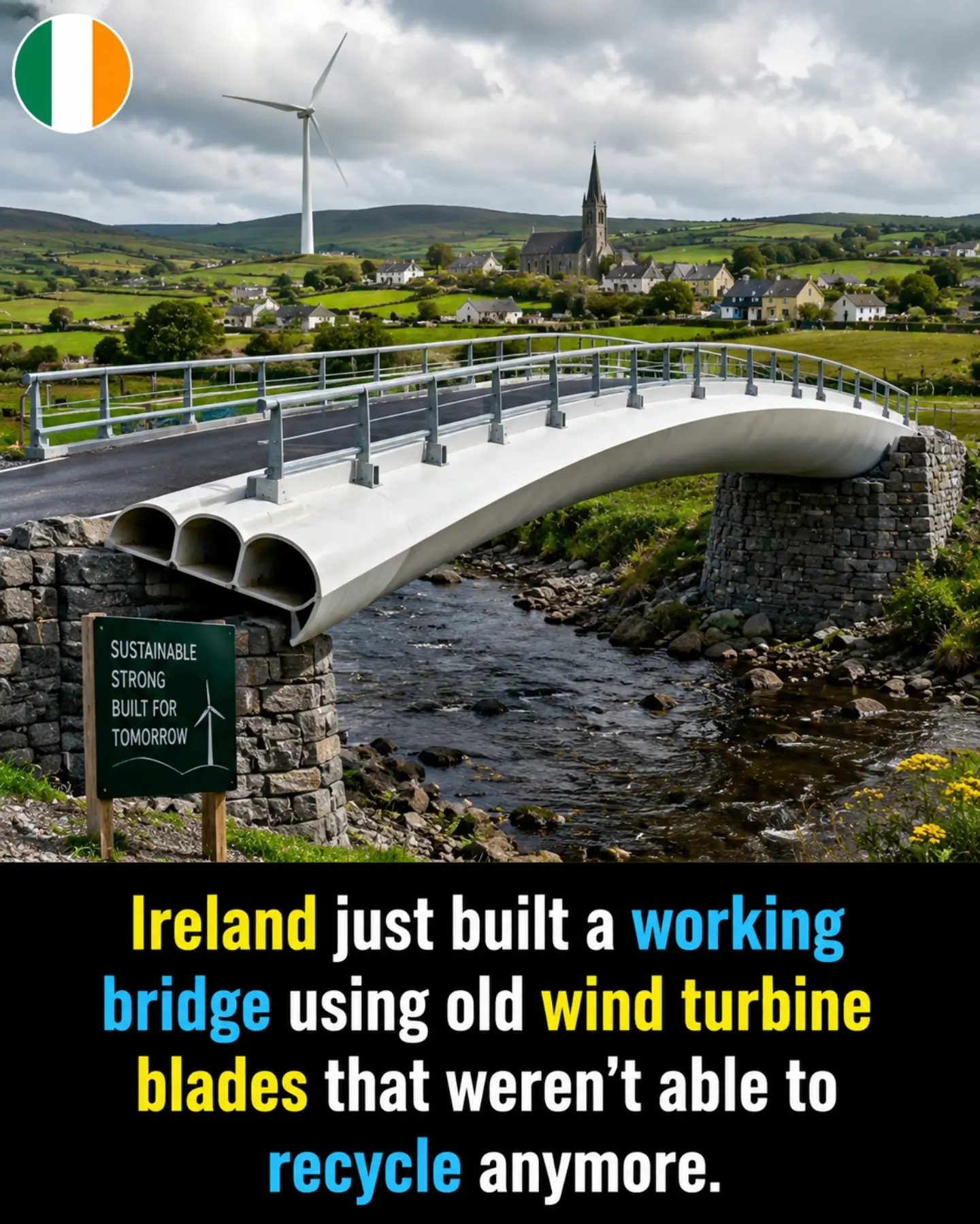
Ireland recently made headlines with a remarkable feat of engineering and sustainability: a bridge constructed entirely from recycled wind turbine blades. This unique project showcases the potential of repurposing materials that were previously considered difficult to recycle, setting a new standard for sustainable infrastructure.
Why This Matters
Infrastructure projects are often scrutinized for their environmental impact, and rightfully so. Traditional construction materials like concrete and steel have significant carbon footprints, contributing to global emissions and resource depletion. The use of recycled materials, such as wind turbine blades, offers a more eco-friendly alternative. Wind turbine blades are typically made from composite materials that are not easily recyclable, leading to a significant waste problem in the renewable energy sector. This bridge in Ireland demonstrates a viable solution to this challenge, paving the way for future sustainable construction projects.
Main Discussion
The Bridge's Construction
The bridge, situated in the picturesque countryside of Ireland, spans a stream and is surrounded by rolling hills and a historic church. Its arched design not only adds to the aesthetic appeal but also highlights the structural integrity of the recycled materials used in its construction. The bridge's strength and durability are a testament to the innovative engineering that went into repurposing the wind turbine blades.
Sustainable Materials
Wind turbine blades are typically made from composite materials, including fibreglass and resin, which make them strong but difficult to recycle. Traditional disposal methods, such as landfilling, have significant environmental drawbacks. The bridge in Ireland takes a different approach, repurposing these materials to reduce waste and create a functional piece of infrastructure.
Engineering Challenges and Solutions
Building a bridge from recycled wind turbine blades presented unique engineering challenges. Composite materials require specialized techniques for cutting, shaping, and joining, which differ from traditional construction materials. Engineers had to develop innovative methods to ensure the structural integrity and longevity of the bridge. The project showcases the potential of composite materials in construction and demonstrates their viability for large-scale infrastructure projects.
Practical Tips
Innovating with Recycled Materials
Repurposing materials like wind turbine blades for construction projects requires a shift in mindset and a willingness to innovate. Here are some practical tips for incorporating recycled materials into your projects:
- Research and Development: Invest in research to understand the properties and limitations of recycled materials. This knowledge is crucial for developing effective repurposing techniques.
- Collaborative Efforts: Partner with experts in material science, engineering, and sustainability to share ideas and resources. Collaboration can lead to innovative solutions and accelerate the development process.
- Pilot Projects: Start with smaller pilot projects to test the feasibility of using recycled materials. This approach allows for incremental learning and refinement, reducing the risk of large-scale failures.
Engaging the Community
Community involvement is essential for the success of sustainable infrastructure projects. Engaging local residents, stakeholders, and environmental groups can provide valuable insights and support. Consider the following steps:
- Public Consultations: Organize public consultations to gather input from the community. This can help identify potential issues, generate ideas, and build support for the project.
- Educational Outreach: Conduct educational outreach programs to raise awareness about the benefits of sustainable infrastructure. Engaging schools, community centers, and local businesses can foster a culture of sustainability.
- Partnerships: Form partnerships with local organizations, businesses, and government agencies. These partnerships can provide resources, expertise, and support for your project.
Long-Term Maintenance
Maintaining sustainable infrastructure requires a long-term commitment. Regular inspections, timely repairs, and ongoing monitoring are essential to ensure the longevity and performance of the structure. Here are some tips for effective maintenance:
- Regular Inspections: Schedule regular inspections to assess the condition of the structure and identify any issues early. Early detection can prevent more significant problems and reduce repair costs.
- Documentation: Maintain detailed documentation of all inspections, repairs, and maintenance activities. This information can be invaluable for future planning and decision-making.
- Sustainable Practices: Adopt sustainable practices for maintenance and repairs. Use eco-friendly products, minimize waste, and conserve resources to reduce the environmental impact of your project.
Important Takeaways
Sustainability and Innovation
The wind turbine blade bridge in Ireland exemplifies the power of sustainability and innovation in construction. By repurposing difficult-to-recycle materials, this project not only reduces waste but also demonstrates the potential of sustainable infrastructure.
Community and Collaboration
Successful sustainable projects require community engagement and collaborative efforts. Engaging local residents, stakeholders, and environmental groups can provide valuable insights and support. This collaboration can help overcome challenges and accelerate the development of innovative solutions.
Long-Term Commitment
Building and maintaining sustainable infrastructure is a long-term commitment. Regular inspections, timely repairs, and ongoing monitoring are essential to ensure the longevity and performance of the structure. By adopting sustainable practices and engaging the community, you can create a more resilient and eco-friendly infrastructure.
Conclusion
The wind turbine blade bridge in Ireland stands as a beacon of innovation and sustainability in the construction industry. By repurposing materials that were previously difficult to recycle, this project demonstrates the potential of sustainable infrastructure and paves the way for future developments. Embracing these principles can help create a more resilient and eco-friendly infrastructure that benefits both the environment and the community.
Questions readers ask
How were wind turbine blades recycled to build the bridge in Ireland?
The wind turbine blades were repurposed by carefully dismantling the old turbines and preparing the blades for construction. They were then used as the primary structural components of the bridge, showcasing a unique and sustainable reuse of materials.
What are the environmental benefits of using recycled wind turbine blades in construction?
Using recycled wind turbine blades reduces waste sent to landfills and decreases the demand for new materials, which helps lower greenhouse gas emissions and conserve resources. This method supports a circular economy by keeping materials in use for longer.
Why are wind turbine blades difficult to recycle?
Wind turbine blades are typically made from composite materials that combine fiberglass and resin. These materials are challenging to recycle due to their complex structure and the lack of efficient recycling technologies.
Can other countries replicate this sustainable bridge construction method?
Yes, other countries can follow Ireland's example by identifying old wind turbine blades and exploring local initiatives for repurposing them in construction projects. Each region will have its own unique challenges and opportunities.
What other sustainable engineering projects can Ireland undertake with recycled materials?
Ireland can explore additional projects such as building pedestrian walkways, bike lanes, or even entire buildings using recycled materials. The key is to identify materials that are abundant and challenging to recycle, then find innovative ways to repurpose them.
How does this project support Ireland's renewable energy goals?
This project aligns with Ireland's renewable energy goals by showcasing the benefits of wind energy and providing a solution for the end-of-life management of wind turbine blades. It encourages the development of a circular economy within the renewable energy sector.
What are the structural benefits of using wind turbine blades in bridge construction?
Wind turbine blades are strong and lightweight, making them suitable for bridge construction. Their aerodynamic design can also enhance the bridge's structural integrity and durability, providing a robust and eco-friendly solution.
Recent articles
Fresh deep dives from the latest Reels we unpacked.



Comments
Be the first to comment.