The Strait of Hormuz: A Crucial Choke Point in Global Energy Markets
The Strait of Hormuz, a narrow waterway connecting the Persian Gulf to the open sea, is once again at the center of geopolitical tensions. Iran has tightened its control over the strait amid a standoff with the United States, leading to restricted access and heightened concerns about potential disruptions to global oil supplies.
Why This Matters
The Strait of Hormuz is one of the most strategic waterways in the world. Nearly 20% of global oil supplies pass through this narrow channel, making it a critical choke point for global energy markets. Any disruption in the strait can have far-reaching consequences, impacting oil prices, fuel supplies, and economic stability worldwide. The current standoff between Iran and the United States has raised alarms about potential closures and the economic fallout that could follow.
The Current Situation
Iran's Actions and Claims
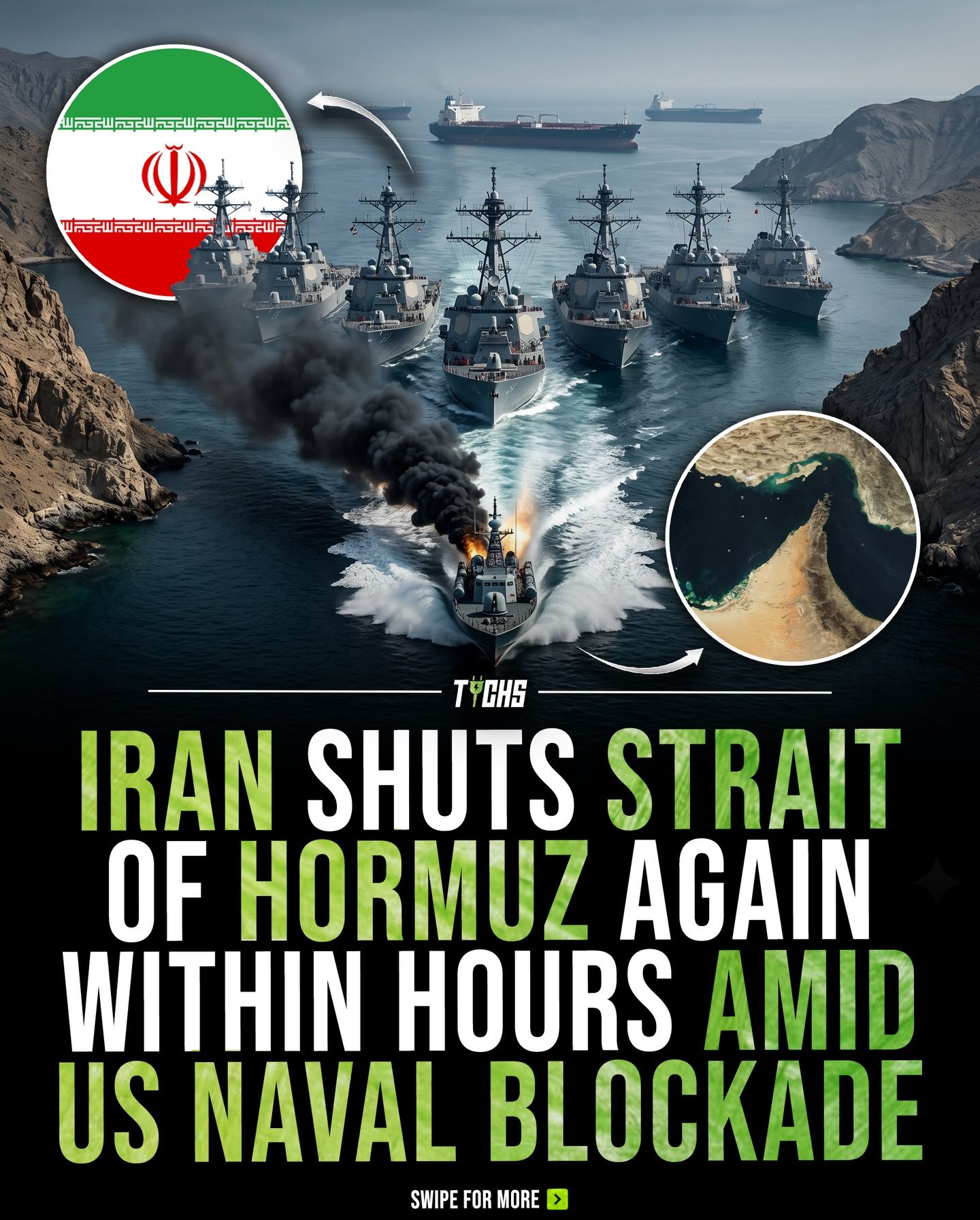
Iran has claimed to shut the Strait of Hormuz, although the extent and nature of this closure remain unclear. The move is reportedly a response to a U.S. naval blockade, which Iran views as a threat to its sovereignty and maritime rights. Images and graphics accompanying these claims show digitally rendered Iranian warships in the strait, with smoke billowing from some, suggesting a state of heightened readiness or conflict.
Iran's Parliament speaker, Mohammad Bagher Ghalibaf, has rejected U.S. claims about the situation, stating that they are false and misleading. This rejection underscores the deepening rift between the two nations and the escalating tensions in the region.
The US Perspective
The U.S. has been maintaining a naval presence in the region, citing the need to ensure freedom of navigation and protect global oil supplies. The U.S. naval blockade is perceived by Iran as an act of aggression, leading to retaliatory measures and the potential for further escalation.
Global Implications
The Strait of Hormuz is a critical bottleneck for global oil trade. With nearly 20% of the world's oil supplies passing through it, any disruption can have significant consequences for energy markets. The potential for partial or full closure of the strait has raised concerns about oil price volatility, supply shortages, and economic instability. Even a partial disruption could trigger major impacts, affecting countries that rely heavily on oil imports.
Practical Tips for Navigating the Situation
For Shippers and Commodity Traders
-
Stay Informed: Keep a close eye on developments in the Strait of Hormuz and be prepared for potential disruptions. Reliable news sources and real-time updates can help anticipate changes in the situation.
-
Diversify Routing: Consider alternative shipping routes to mitigate risks. While these may be more time-consuming and costly, they can provide a safety net in case of closure.
-
Insurance Coverage: Ensure that your insurance policies cover potential losses due to geopolitical disruptions. Review and update your coverage to include scenarios related to maritime conflicts and blockades.
For Energy Market Participants
-
Monitor Prices: Stay vigilant about oil price movements. Geopolitical tensions often lead to price volatility, and being prepared can help manage risks and opportunities.
-
Diversify Suppliers: Diversify your oil supply sources to reduce dependence on any single region. This can help mitigate the impact of supply disruptions.
-
Strategic Reserves: Maintain or build strategic oil reserves to ensure a buffer against supply shortages. This can provide a safety net during periods of high demand or low supply.
Important Takeaways
The situation in the Strait of Hormuz is a stark reminder of the interconnectedness of global energy markets and the vulnerability of critical infrastructure. The ongoing standoff between Iran and the United States highlights the need for careful navigation and strategic planning to mitigate risks.
Geopolitical Tensions
The conflict in the Strait of Hormuz is part of a broader geopolitical struggle, with each side's actions and statements driving the narrative. Understanding the underlying dynamics can help in anticipating future developments and preparing for potential disruptions.
Economic Impact
Disruptions in the Strait of Hormuz can have far-reaching economic consequences, affecting countries and sectors beyond the immediate region. The potential for volatility in oil prices and supply disruptions makes it crucial for market participants to stay informed and prepared.
Strategic Responses
A proactive approach to managing risks and opportunities in the face of geopolitical uncertainties is essential. Whether it's diversifying suppliers, maintaining strategic reserves, or staying informed about developments, there are several practical steps that can help mitigate the impact of disruptions in the Strait of Hormuz.
Conclusion
The Strait of Hormuz remains a critical and contentious waterway, with the potential to impact global energy markets significantly. As tensions between Iran and the United States escalate, it is crucial for stakeholders to stay informed, anticipate potential disruptions, and take proactive measures to mitigate risks. The current situation underscores the importance of strategic planning and preparedness in navigating the complex geopolitical landscape.
Questions readers ask
What makes the Strait of Hormuz so strategically important?
The Strait of Hormuz is crucial because it is the only sea passage from the Persian Gulf to the open ocean. It's through this narrow waterway where nearly 20% of the world's oil supply passes, making it a vital checkpoint for global energy distribution and economic stability.
How might the current Iran-US standoff affect global oil prices?
The standoff could lead to restricted access or disruptions in the Strait of Hormuz, which may cause oil supply shortages. Such disruptions could drive up oil prices due to reduced supply and increased demand, affecting everything from fuel costs to broader economic indicators.
What are the potential consequences of a blockade in the Strait of Hormuz?
A blockade in the Strait of Hormuz could severely impact global oil transport, leading to supply shortages and increased fuel prices. This could also trigger broader economic instability, including stock market volatility and potential disruptions to industries heavily reliant on oil.
What role do naval activities play in the current Middle East tensions?
Naval activities in the Middle East are pivotal as they can either maintain or disrupt the flow of oil through the Strait of Hormuz. Increased naval presence by Iran or the United States can serve as a deterrent or escalate tensions, directly influencing the safety and security of maritime routes.
How does the Iran-US standoff impact global economic stability?
The standoff can impact economic stability by causing uncertainty in global oil markets. Disruptions in oil supplies can lead to price volatility, affecting industries and countries that rely on steady oil supplies, which in turn can slow down economic growth and stability.
What measures can be taken to mitigate the risks of disruptions in the Strait of Hormuz?
To mitigate risks, international cooperation and diplomacy are essential to ensure the safe passage of oil through the strait. Additionally, diversifying oil supply routes and maintaining strategic oil reserves can help offset potential disruptions, reducing the impact on global oil prices and economic stability.
How does Iran's control over the Strait of Hormuz affect Middle East naval tensions?
Iran's control over the Strait of Hormuz can escalate Middle East naval tensions as other nations may view this as a threat to their oil supplies and maritime security. Increased naval activity in the region can lead to heightened vigilance and potential confrontations, further complicating the geopolitical landscape.
Recent articles
Fresh deep dives from the latest Reels we unpacked.




Comments
Be the first to comment.