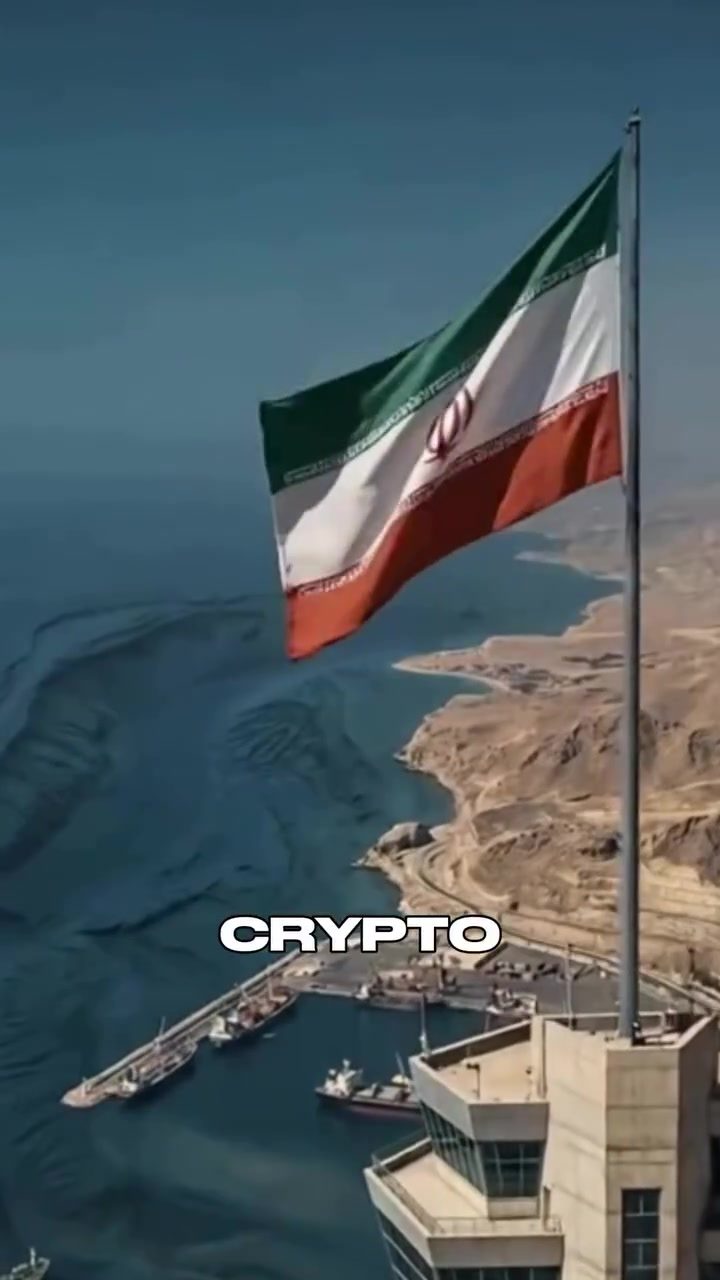
Iran Accepts Crypto Payments for Passage Through the Strait of Hormuz
Iran’s recent announcement that it will accept cryptocurrency payments for passage through the Strait of Hormuz marks a significant milestone in the adoption of digital currencies, especially in light of the country's prolonged economic sanctions. This move has sparked widespread interest and debate about the potential impact on global crypto markets, particularly Bitcoin.
Context / Why This Matters
The Strait of Hormuz is a critical waterway in the Middle East, connecting the Persian Gulf to the Arabian Sea. It is one of the most strategic shipping lanes in the world, with a substantial portion of global oil and natural gas passing through it. Iran's decision to accept cryptocurrency payments for passage through this strait is not merely a logistical change but a strategic move that leverages the unique properties of cryptocurrencies to circumvent economic sanctions.
Iran and Cryptocurrency
A Longstanding Relationship
Iran has been under international sanctions for over four decades. These sanctions have severely restricted the country's access to traditional financial systems. In response, Iran has been forced to find alternative means to conduct international trade. Cryptocurrencies, with their decentralized nature and relative anonymity, have emerged as a viable solution. This integration into crypto began long ago, allowing Iran to trade illegal goods and services, bypassing traditional financial barriers.
$20 Million a Day
Iran’s new policy stipulates that for every barrel of oil or gas passing through the Strait of Hormuz, it will accept $1 in cryptocurrency. Given the high volume of traffic through the strait, this translates into significant daily earnings. It will generate around $20 million in crypto turnover daily. This influx of cryptocurrency could dramatically increase the country's state-level turnover, boosting its economic clout in a way that is nearly impossible for other nations to counter effectively.
Potential Implications
For Cryptocurrencies
This move by Iran could be a game-changer for the cryptocurrency market. The adoption of crypto by a nation-state with a substantial economic footprint could encourage other countries to follow suit, especially those facing similar economic challenges. The increased turnover and liquidity in the crypto market could drive up the value of digital currencies, including Bitcoin.
Geopolitical Ramifications
The geopolitical implications are equally profound. Traditional financial sanctions have often been a powerful tool for nations to exert pressure on each other. However, the use of cryptocurrencies undermines this tool, making it harder for international bodies to control economic activities. This could lead to a new era of digital financial diplomacy, where nations leverage cryptocurrencies to navigate around sanctions and other financial restrictions.
Regulatory Challenges
On the other hand, this development poses significant regulatory challenges. Governments and international bodies will need to adapt their oversight mechanisms to account for cryptocurrencies. The potential for increased illegal activities and money laundering through cryptocurrencies could prompt stricter regulations or even new forms of international cooperation to monitor and control crypto transactions.
Practical Tips for Businesses and Investors
Stay Informed
For businesses and investors, staying informed about regulatory changes and new policies in the crypto space is crucial. Iran's move may spur other nations to explore similar options, leading to rapid changes in the market. Keeping up with regulatory updates and market trends will be essential for making informed decisions.
Diversify Investment Portfolios
Given the potential for increased volatility in the crypto market, diversifying investment portfolios is advisable. This includes not only diversifying within the crypto market but also across different asset classes. A balanced portfolio can help mitigate the risks associated with market fluctuations.
Explore Crypto Markets in New Ways
Iran's move illustrates the potential of cryptocurrencies in unconventional markets. Businesses and investors should consider exploring new areas where cryptocurrencies could be used. This could include international trade, supply chain management, and even micro-payments in emerging markets.
Invest in Crypto Tech
There is a growing need for advanced technologies to monitor and secure crypto transactions. Investing in blockchain and cybersecurity technologies could be a strategic move. These technologies will play a crucial role in ensuring the integrity and security of crypto transactions.
Important Takeaways
Iran’s acceptance of cryptocurrency for passage through the Strait of Hormuz underscores the potential for digital currencies to transform global financial systems. It highlights the strategic value of cryptocurrencies in circumventing traditional financial restrictions and the need for adaptive regulatory frameworks. For businesses and investors, this move serves as a reminder of the evolving nature of the crypto market and the importance of staying informed and flexible in the face of rapid changes.
Conclusion
Iran's decision to accept cryptocurrency for passage through the Strait of Hormuz is a pivotal moment in the history of digital currencies. It opens up new avenues for economic activity and challenges existing financial and regulatory frameworks. This move could spur further adoption of cryptocurrencies by other nations, potentially reshaping the global financial landscape.
Questions readers ask
Why is Iran accepting cryptocurrency for passage through the Strait of Hormuz?
Iran's acceptance of cryptocurrency payments is a strategic response to economic sanctions that have limited its ability to engage in international trade using traditional financial systems. By leveraging cryptocurrencies, Iran can facilitate transactions without relying on banks or governments, and potentially boost its economic turnover. The Strait of Hormuz, a crucial global shipping lane, is an ideal location for this initiative.
How do Iran's economic sanctions contribute to its crypto adoption?
Prolonged economic sanctions have restricted Iran's access to global financial systems, making it difficult to conduct international trade. Cryptocurrencies offer a decentralized and anonymous alternative, allowing Iran to bypass these restrictions and engage in global commerce with greater freedom.
What impact might Iran's crypto payments have on global crypto markets, particularly Bitcoin?
Iran's acceptance of cryptocurrency payments, especially Bitcoin, could potentially increase its demand and usage. This increased demand could drive up the value of Bitcoin and other cryptocurrencies, while also injecting more crypto into the Iranian economy.
What makes the Strait of Hormuz significant in Iran's crypto strategy?
The Strait of Hormuz is a vital shipping lane for global oil and natural gas supplies. By accepting cryptocurrency payments for passage through this strait, Iran can capitalize on its strategic location. Iran can also generate revenue from ships transiting the strait, without relying on traditional financial systems, facilitating smoother trade relationships.
How does Iran’s adoption of crypto payments aim to boost its economy?
By adopting crypto payments, Iran can foster increased international trade, bypassing sanctions that have hindered traditional financial transactions. This move could potentially attract more global businesses to engage in trade with Iran, thereby boosting the country's economic turnover and financial independence.
Related deep dives
Similar reads based on topic and creator.




Recent articles
Fresh deep dives from the latest Reels we unpacked.




Comments
Be the first to comment.