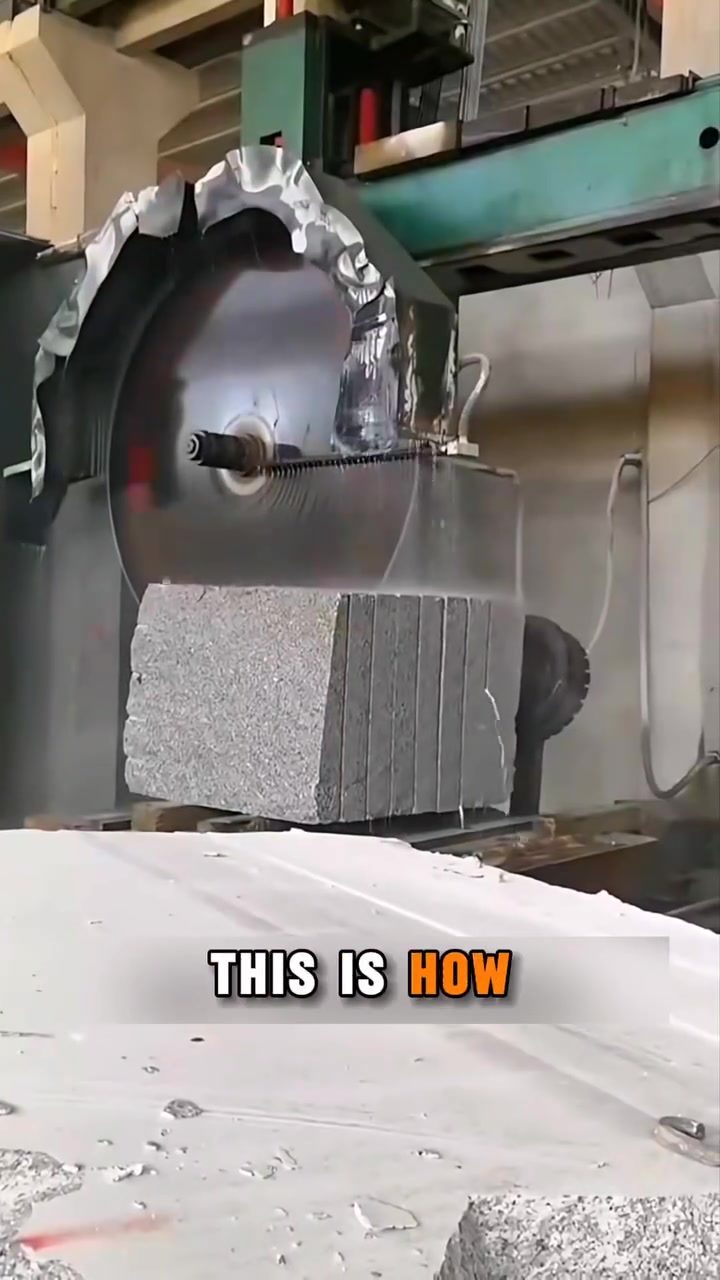
The Stone Cutting Process
Stone cutting is a fascinating process that transforms raw, massive stone blocks into perfectly shaped slabs and pieces. The process is far more intricate and ingenious than it might initially appear, involving specialized machinery and techniques designed to handle the immense challenges of working with stone.
Why This Matters
Understanding the stone cutting process is crucial for anyone involved in construction, landscaping, or interior design. This knowledge provides insights into the efficiency, cost, and precision involved in handling large stone blocks, ultimately influencing the aesthetic and structural quality of the final product.
The Stone Cutting Process
Rough Cutting
The journey of a massive stone block begins at the quarry. Initially, the stone goes through a rough cutting phase. Contrary to popular belief, ultra-sharp blades are not typically used. Instead, workers employ a thin wire coated with diamond particles. This wire is moved back and forth against the stone, creating a perfectly straight cut. Each pass removes only a tiny amount of material, but after thousands of passes, the result is a clean, precise cut. This method is effective for initial cuts on large, raw stones.
Precision Cutting
Once the rough cutting phase is complete, the stone moves on to the precision cutting stage. Here, diamond saw blades covered with industrial diamonds come into play. These blades spin at high speeds, gradually grinding away the stone layer by layer. This meticulous process ensures smooth surfaces and perfectly straight edges. However, this high-speed grinding generates intense heat, which can damage the stone and the blade if not managed properly.
Cooling and Dust Control
To mitigate the heat generated during precision cutting, a constant stream of water is used. This water serves multiple purposes: it cools the blade, reduces friction, and controls dust. Without this cooling system, the entire cutting process would quickly come to a halt due to overheating. The water also helps in maintaining a clean work environment by minimizing dust and debris.
The Role of Industrial Machinery
Stone cutting machines, such as those manufactured by MJQ, are pivotal in both rough and precision cutting. These machines are designed to handle the immense pressures and precise cuts required in stone fabrication. The industrial machinery ensures consistency and accuracy, making it possible to achieve the perfect finishes required for high-quality stone products. The machines often use circular saws and other specialized tools to cut the stone layer by layer, ensuring that the final product meets the desired specifications.
Water’s Critical Role
Water plays a vital role in the stone cutting process. It not only cools the diamond blades but also reduces friction, which can wear down the blade and the stone. The water jet also helps in controlling dust, making the work environment safer and more manageable. Without water, the cutting process would be impractical due to the extreme heat generated, making it essential for the overall efficiency and safety of the operation.
Practical Tips
Choosing the Right Equipment
When selecting stone cutting machinery, consider the type of stone you will be working with and the precision required. Industrial machines like MJQ provide the necessary power and precision for large-scale projects. Ensure that the machine is equipped with diamond blades and a water cooling system to handle the heat and dust generated during the cutting process.
Safety Measures
Safety is paramount when working with industrial machinery and stone cutting. Always wear appropriate protective gear, including gloves, goggles, and ear protection. Ensure that the work area is well-ventilated and that the machinery is regularly maintained to prevent accidents.
Maintenance of Equipment
Regular maintenance of stone cutting machinery is essential for optimal performance. This includes checking the diamond blades for wear and tear and ensuring that the water cooling system is functioning correctly. Regularly lubricating moving parts and cleaning the machine will help prolong its lifespan and ensure consistent performance.
Important Takeaways
The stone cutting process involves several critical steps, each requiring specialized equipment and techniques. From rough cutting to precision cutting, the use of diamond-coated wires and industrial blades ensures clean, accurate cuts. Water plays a crucial role in cooling the blades and controlling dust, making the process both efficient and safe. Understanding these steps and the importance of each component can help in selecting the right equipment and ensuring the best results for stone cutting projects.
Conclusion
The process of cutting massive stone blocks into perfectly shaped slabs is a testament to human ingenuity and technological advancement. By understanding the nuances of rough cutting, precision cutting, and the critical role of water, one can appreciate the complexity and precision involved in transforming raw stone into high-quality, finely crafted products. Whether you are a professional in the construction industry or an enthusiast, knowing the intricacies of stone cutting can enhance your appreciation for the craftsmanship and innovation behind these impressive structures.
Questions readers ask
What are the primary techniques used in industrial stone cutting?
Industrial stone cutting employs several primary techniques. Diamond wire cutting is ideal for making straight, precise cuts, while diamond saw blades are effective for creating intricate shapes. Water jet cutting can also be used for precise, clean cuts through various stone types, offering a versatile and efficient solution.
Why is diamond wire cutting preferred for large stone blocks?
Diamond wire cutting is preferred for handling large stone blocks due to its ability to make precise, straight cuts. It is particularly efficient in overcoming the challenges of working with the hardness and size of raw stone, making it a go-to method for quarrying and initial shaping.
What types of tools are commonly used in the stone cutting process?
The stone cutting process involves several specialized tools. Diamond saw blades are essential for making intricate and detailed cuts, while diamond wire and water jet cutters are used for larger, more straightforward cuts. These tools are designed to handle the hardness and density of stone, ensuring precision and efficiency.
How does water cutting contribute to the stone cutting process?
Water cutting, particularly high-pressure water jet cutting, is effective for making precise and clean cuts through various types of stone. It is especially useful for cutting intricate designs and detailed shapes, as the water can be combined with an abrasive to enhance cutting power. This method is valued for its versatility and ability to minimize waste.
What are the key stages in the stone cutting process?
The stone cutting process begins with rough cutting, where the raw stone is reduced to manageable sizes. This is followed by more precise cutting techniques, such as diamond wire or saw blade cutting, to shape the stone into the desired form. The final stages involve detailing and finishing, ensuring the stone is ready for its intended use, whether in construction, landscaping, or interior design.
How is the stone cutting process optimized for efficiency and precision?
The stone cutting process is optimized through the use of advanced machinery and techniques. Precision is achieved with specialized tools like diamond wire and saw blades, which can navigate the hardness and density of stone. Efficiency is enhanced by automating certain stages, allowing for quicker completion and reduced waste, ultimately leading to a higher-quality finished product.
Recent articles
Fresh deep dives from the latest Reels we unpacked.




Comments
Be the first to comment.