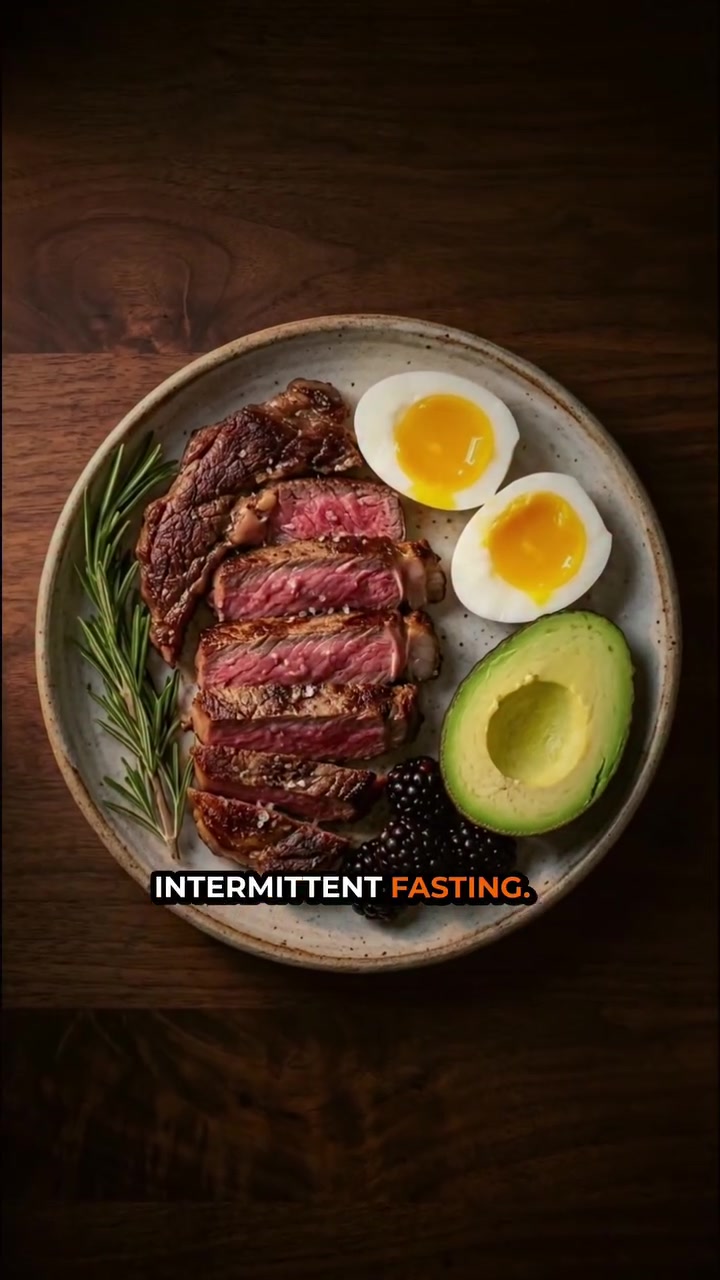
Your Plate is a Clock: Fasting as a Dieting Strategy
Intermittent fasting isn't about skipping meals to feel hungry. And it's not about counting calories. You simply don't eat for a designated stretch of hours and your body flips a metabolic switch. The clock makes the difference. Instead of storing energy, your body starts burning stored fat for fuel. It's a cycle that works in twelve-hour sessions, not seven-day stretches. It's not about suffering when you open your fasting window. Eat real food and let the clock manage the rest.
The Edible Clock: Meal Timing and Metabolic State
Intermittent fasting isn’t about counting calories or avoiding food groups. It’s a diet plan based on meal timing. This means you don’t eat for a certain period, and then eat real food. Skip a meal to flip your metabolism into what your body does when not eating. Eat when your window opens. Your metabolism and body functions change depending on whether you’re in a fasted or fed state. Ignoring these switches can disrupt your body’s natural rhythms — it isn't just about when to eat, just as much as the actual eating. The Plate as a Clock The plate acts as a clock, turning fasting and eating into a simple, natural process. Like the natural rising and setting of the sun, fasting and eating based on this clock has a natural rhythm. You don’t need days, just hours. This is why the diet can be simple.
The 12-Hour Mark: When Your Body Starts Burning From a New Fuel Tank
Based on several studies, your insulin level settles within the first hours of fasting. Considered a crucial metabolic switch, the drop in insulin levels at approximately the twelve-hour mark flips the body into a different fueling mode. After your food intake stops, the body begins burning its stored fat for energy, particularly if the carbohydrate stores are low. This change doesn’t require large amounts of time, just a few hours. Fuel tank runs low, the body automatically flips the switch and uses its stored fat.
The Brain Switch: When Your Body Flips into Hunt Mode
In the first hour of fasting, the body's insulin level drops. Insulin is responsible for storing food as energy. It drops because the body starts to burn the body's fuel. Traditionally, this is stored in the form of glycogen and fat. Then, at around the twelve-hour mark, the body switches to burning fat. The switch is not just physical, but it also affects the brain. In 2016, Yoshinor Oshumi won the Nobel Prize in Physiology or Medicine for his discovery of autophagy. Yoshinori Oshumi discovered that cells begin recycling their tissues for energy. This process happens only when not eating. The body’s own clean-up crew gets to work in the hunt mode.
Beyond Autophagy: Fasting’s Health Benefits
The rewards of autophagy and nutrient recycling are clear. Studies suggest that fasting can improve brain health, heart health, and slow aging, though the exact mechanisms and amounts of time necessary are still being studied. This results in an even deeper level of health beyond the fewer calories. Your body emits a “second coffee” kick when your mind feels sharper. Its clear advantages come down to skipping just one plate a day — everything else remains the same.
The Cycle of Hunting and Gathering
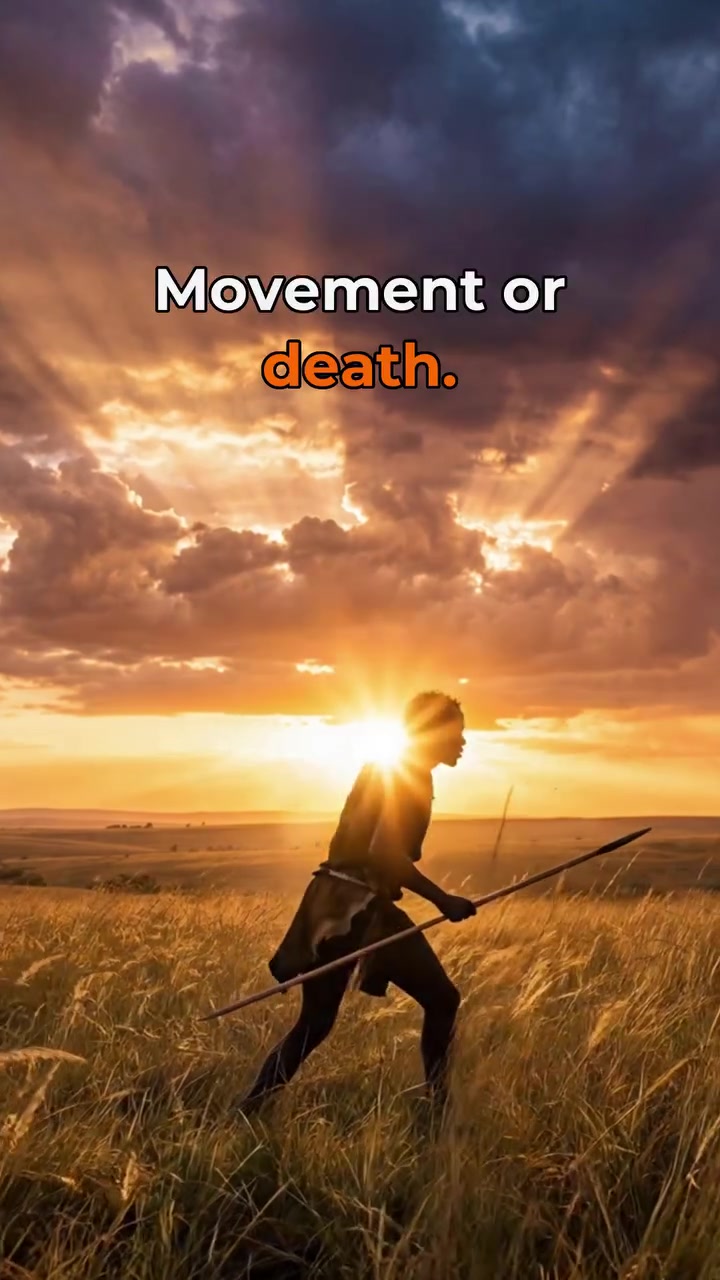
This dieting idea is modeled after human history. Hunting and gathering are terms that describe the ancient lifestyle, before agricultural and industrial revolutions. Instead of waiting for palatable seasonal foods, people hunted and gathered resources. Since food is scarce, the body should store as much energy as possible. This means storing energy from food as fat and glycogen.
Adaptation to Seasonal Eating
Hunting and Gathering diets were a cycle of feast and fast. This means that some people have fasted intentionally to optimize their health. The lifestyle of the hunter-gatherer meant that the food supply was not consistent. They fasted in times of famine, and they would feast when the food was abundant. This is a way of adapting to the natural cycles of food availability. People were simply using the feast and fast cycle.
The Modern Fasters
In the modern world, people fast for as much as two days. Ancestral diet can be a fast and feast cycle. People fast for 1-2 days a week, but they continue to eat normally for the rest of the week. This brings a sense of control. It also brings the benefits of fasting.
The Direct Guide to Trying Intermittent Fasting
- Ease into Fasting: Start with small steps, like skipping a snack or eating a later breakfast. Some people skip breakfast altogether and eat their first meal for lunch (in the noon range) and then eat dinner, and then it ends. Others prefer to split their eating window as equally as possible.
- Strategize Your Food Choices: When you eat, choose foods that are nutritious and filling, like eggs, steak, avocado, and greens. This will help you feel full and maintain a healthy diet. You are more likely to choose nutrient-dense foods.
- Listen to Your Body: If you experience negative effects, such as dizziness or hunger, reassess your fasting schedule. Sometimes, you may need to eat earlier or later, or you may need to adjust the length of time you fast. The diet isn't about suffering, so your body needs time to adjust to the dieting cycle.
- Stay Hydrated: Drink plenty of water and other calorie-free beverages. This will help you feel full and stay hydrated. Some people report to feel like they are consuming more water. This can reduce unnecessary water intake. In the long-term.
Eat Like a Viking — Eat Like a Human
Intermittent fasting isn't about suffering. It's about regulating your metabolism for weight management and general health. One plate a day — the clock makes the difference.
Questions readers ask
What happens to my body after 12 hours of fasting?
After 12 hours of fasting, your insulin levels drop, signaling your body to switch from burning carbohydrates to burning stored fat for energy. This metabolic shift is crucial for weight management and overall health benefits.
How does intermittent fasting differ from other diet plans?
Intermittent fasting focuses on when you eat rather than what you eat. Unlike traditional diets, it doesn't involve counting calories or restricting food groups. It's about creating a simple eating schedule that aligns with your body's natural rhythms.
Can I eat whatever I want during my eating window?
While intermittent fasting doesn't restrict specific foods, it's still important to eat healthily. The quality of your food matters for overall health and to maximize the benefits of fasting. Eat real, nutritious food during your eating window.
What is autophagy, and why is it important during fasting?
Autophagy is a process where your body's cells recycle their own tissues for energy. It occurs during fasting, especially after the 12-hour mark, and helps in cellular repair and regeneration. This process is crucial for improving brain health, heart health, and slowing down aging.
How does intermittent fasting affect my brain?
Intermittent fasting can enhance brain function by promoting autophagy and reducing inflammation. Many people report feeling more alert and focused during their fasting periods, which suggests that fasting can boost your mental clarity.
What are some of the health benefits of intermittent fasting beyond weight loss?
Beyond weight loss, intermittent fasting can improve overall health, including better brain function, enhanced heart health, and potentially slowing down the aging process. These benefits are linked to the body's metabolic switch and the process of autophagy.
Is intermittent fasting suitable for everyone?
Intermittent fasting can be beneficial for many people, but it might not be suitable for everyone, especially those with certain medical conditions or specific dietary needs. Always consult with a healthcare provider before starting any new diet plan, including intermittent fasting.
Related deep dives
Similar reads based on topic and creator.


Recent articles
Fresh deep dives from the latest Reels we unpacked.




Comments
Be the first to comment.