The Energy Crash You Shouldn’t Ignore
Eighty-eight percent of adults aren't metabolically healthy, and most have no clue. To be clear, metabolic health is when your blood pressure, blood sugar, and cholesterol are in the safe zone. Insulin resistance is at the core of this issue. Few people recognize it, but it shows up visibly in your body. A number of signs can tell you your body’s insulin levels are out of balance.
A Silent Sign You’re Insulin Resistant
Insulin resistance happens when your body can’t properly use insulin to transport glucose out of your blood and into your cells for energy. When you’re insulin resistant, your body pumps out more and more insulin to compensate, but it can’t keep up. It’s like your body is driving a car down a hill, the brakes no longer work, and your body feels the effects of this misstep. There are distinct signs of insulin resistance you can feel and see. While medical testing is the most reliable approach, it’s important to understand the pretty clear ways your body is telling you something is off. The energy crash is an early sign and is right on your radar. Your insulin overshoots after eating, resulting in a dramatic drop in blood sugar. Despite how much you eat, you’re hangry by 2 PM, and you feel like you get hit by a truck. The crash can feel sudden and irregular, but it’s common with insulin resistance. Your insulin can overshoot and your body is running on fumes more than you realize. Your body may be telling you something is awry.
During the pandemic, waistlines and health concerns like insulin resistance expanded exponentially
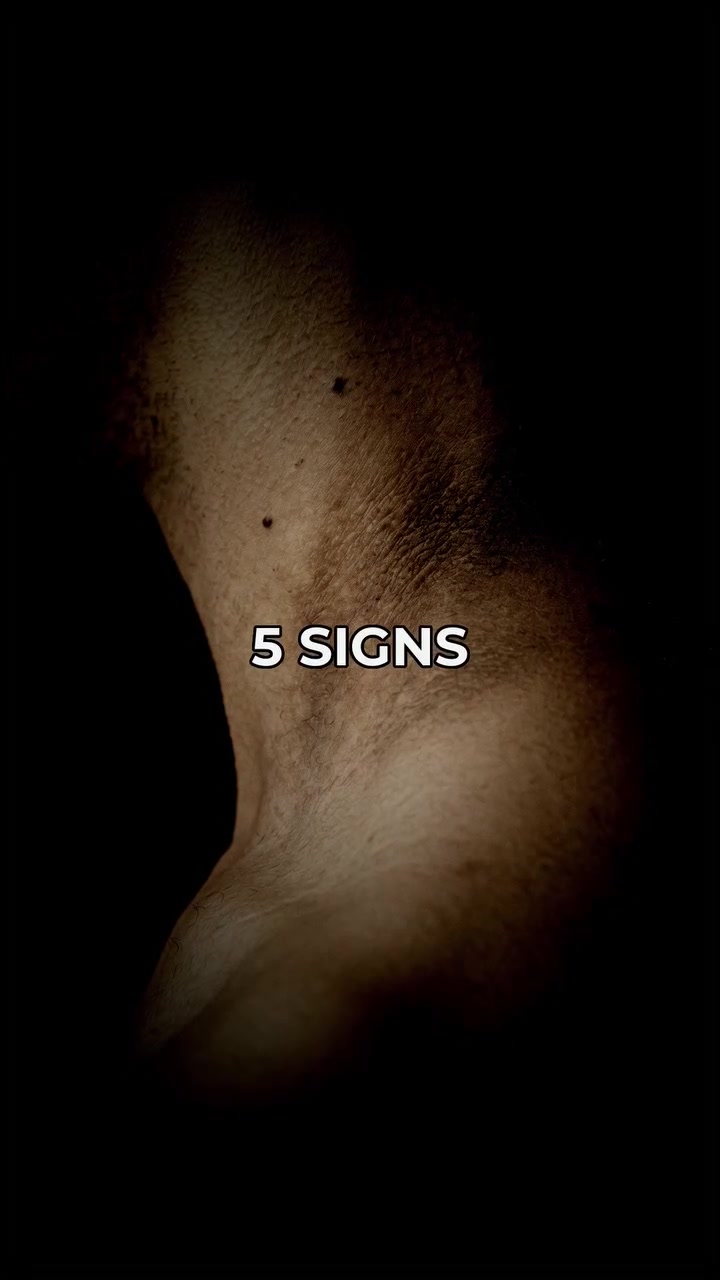
Insulin resistance has become a significant health concern; it’s a problem often overlooked in our society. The pandemic brought widespread changes in lifestyle, including increased sedentary behavior and poor dietary habits, contributing to a rise in insulin resistance. The problem is compounded when people don’t visit doctors for check ins. Even when visitors attempt to do so, many patients might go to a doctor to ask about a nose bleed or other ailment instead of looking under the hood of their bodies. Dermatologists might be the first medical practitioners to let you know you may have an insulin problem when they spot acanthosis nigricans, the dark patches dermatologists see on your neck and armpits.
The Belly Fat That Won’t Budge
Visceral fat isn't only about how you look but also about what’s happening under the surface. Everyone has some visceral fat, but when your insulin levels are off, visceral fat can make all the difference. It can cause you to shift more weight in your stomach and hips, making it harder to rein your weight in. The worst part about this? You can’t train your body to lose fat in a specific area — your body starts to lose weight in the opposite of what you think is happening. This kind of fat sticks around, even if you’re lean everywhere else. Dermatologists automatically screen for insulin resistance when they see signs of acanthosis nigricans. It tells them your insulin is working overtime to grow your skin. If visceral fat were a message from your body, it would be that you need to adjust your lifestyle choices. Visceral fat is often linked to belly fat, a common concern among many people. Even though everyone wants to be lean and fit, visceral fat doesn’t respond to diet and exercise alone. Visceral fat is directly linked to insulin resistance, so it’s more than a sign of an unhealthy diet.
Keeping an Eye on Acanthosis Nigricans
Insulin causes havoc under your skin, but it doesn’t care what the clock says. Insulin resistance tells your body to dig in if you have acanthosis nigricans, a condition of velvety dark patches on the skin, often appearing on the neck or armpits. Your skin knows it’s running low on insulin, but it keeps growing because it doesn’t know any better. Acanthosis nigricans signals that your skin is reacting to insulin resistance. Since this is the skin’s response, it could mean acanthosis nigricans is a signal of insulin resistance. Dermatologists don’t recognize insulin as a skin issue, but they act fast when they see acanthosis nigricans.
A Growing List of Skin Tags
They’re small skin growths that hang free. Those are skin tags, and they can grow in clusters. This means the skin tags are multiplying, a process that looks like acanthosis nigricans. Skin tags are a sign of insulin resistance, showing that the body is telling you it needs an adjustment to your diet and lifestyle, but you might not realize it. The body shows these signs because insulin tells it to grow and multiply. These skin tags are more than cosmetic; they can tell you what’s going on inside. If you spot skin tags somewhere they shouldn’t be, you might want to talk to your dermatologist.
When Your Body’s Craving Something
Your body is running on fumes and struggling to manage glucose. If you’re experiencing a blood sugar roller coaster, your body might be asking for another hit of glucose. When you reach for sugar after a meal, studies suggest your body’s blood sugars are fluctuating, and your brain wants more sugar. This is an indicator of insulin resistance. The body’s insulin goes up and down like a roller coaster, which can feel like a sugar rush. This is one of the most insidious types of insulin resistance, and people often mistake it for a simple sugar craving. But it’s the body’s way of signaling to you that it needs help, and it needs it fast.
When It’s Time to Ask: Fasting Insulin
If three of these symptoms sound familiar, ask your doctor for a fasting insulin test. Many doctors only order a fasting glucose test, but they’re not the same thing.
- Get the basal insulin test. The difference between fasting insulin and fasting glucose is critical. Fasting insulin tests you for insulin resistance, while fasting glucose checks your blood sugar. This is an important distinction since insulin levels can be much lower than glucose levels.
- Order testing. A fasting insulin test is more reliable for diagnosing insulin resistance. It can help you and your doctor determine the root cause of your symptoms and develop a treatment plan to help you manage the condition.
Recognize the Silent Signals: What Your Body’s Telling You
Most people have not been taught to read their bodies’ signals. Their body might be giving them a warning, but they don’t know what it means. The body is sending warning signs that you might see in your everyday life. Insulin resistance is a critical problem people have not been able to pinpoint, but recognizing the subtle signs of something being off will allow you to put things in check. If you’re experiencing any of the signs listed, it might be time to check in with your doctor.
Questions readers ask
What exactly is insulin resistance and why is it a big deal?
Insulin resistance occurs when your body can't effectively use insulin to move glucose from your blood into your cells. It's a big deal because it can lead to serious health issues like type 2 diabetes and heart disease. It's also a key factor in the metabolic health crisis, affecting nearly nine out of ten adults.
What are the early signs of insulin resistance that I should look out for?
One of the earliest signs is an energy crash, typically in the afternoon. This happens because your insulin levels overshoot after eating, causing a dramatic drop in blood sugar. You might feel suddenly hungry or extremely tired, even if you've eaten recently.
How does the pandemic relate to the rise in insulin resistance?
The pandemic led to increased sedentary behavior and poor dietary habits for many people. These lifestyle changes contributed to a rise in insulin resistance, as people were more likely to eat unhealthy foods and less likely to exercise regularly.
What is acanthosis nigricans and why should I be concerned if I have it?
Acanthosis nigricans are dark, velvety patches of skin, often found on the neck or armpits. They can be a sign of insulin resistance, as they indicate that your body is producing too much insulin. If you notice these patches, it's important to talk to a healthcare provider, as they can help you address any underlying issues.
Can I target visceral fat for weight loss?
Unfortunately, you can't target visceral fat for weight loss. When you lose weight, your body decides where to shed fat first, and it's not always in the areas you want. If you have visceral fat, it's a sign that your insulin levels are off, and you should focus on overall lifestyle changes to address it.
Related deep dives
Similar reads based on topic and creator.



Recent articles
Fresh deep dives from the latest Reels we unpacked.




Comments
Be the first to comment.