Rainwater Harvesting in Urban Environments
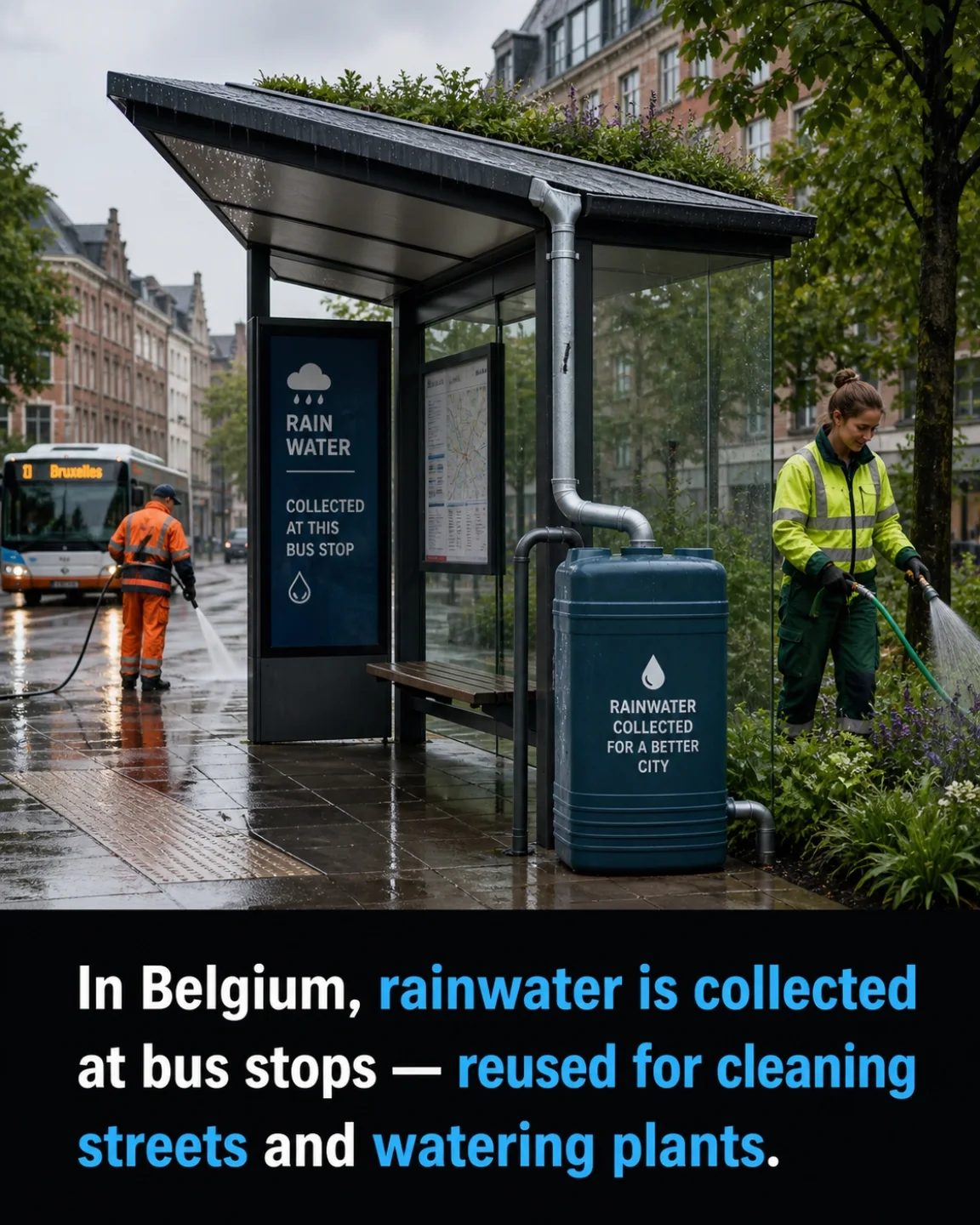
Rainwater harvesting involves collecting and storing rainwater for various uses, and it's a sustainable practice gaining traction in urban areas. In Belgium, the city of Bruxelles is using this process at bus stops, showcasing an innovative approach to urban sustainability.
Why This Matters
In urban environments, water is a valuable resource often used inefficiently. Rainwater harvesting offers a practical solution to conserve water and promote sustainability. By collecting and reusing rainwater, cities can reduce their reliance on municipal water supplies, lower stormwater runoff, and decrease the strain on wastewater treatment systems. This practice not only benefits the environment but also supports urban greening initiatives and public health.
The Benefits of Rainwater Harvesting
Water Conservation
Efficient water management is crucial in urban areas, where resources can be scarce. Rainwater harvesting allows cities to capture and store water that would otherwise be lost to runoff. This water can then be reused for various non-potable purposes, such as cleaning streets, watering plants, and flushing toilets. By reducing the demand on municipal water supplies, rainwater harvesting helps ensure a more sustainable water future.
Stormwater Management
Urban environments often struggle with heavy rainfalls, leading to flooding and water pollution. Traditional stormwater management systems can be overwhelmed, resulting in overflows and contamination of waterways. Rainwater harvesting systems can help mitigate these issues by intercepting rainfall and reducing the volume of stormwater that enters the drainage system. This not only helps prevent flooding but also improves water quality by reducing the amount of pollutants that enter natural water bodies.
Cost Savings
Implementing rainwater harvesting systems can lead to significant cost savings for municipalities. By reducing the demand on municipal water supplies, cities can lower their water bills and save on wastewater treatment costs. Additionally, rainwater harvesting can help prevent costly infrastructure repairs by reducing stormwater runoff and the associated erosion and damage to roads, sidewalks, and other public spaces.
Rainwater Harvesting in Action
The Bruxelles Initiative
In the city of Bruxelles, Belgium, rainwater harvesting has been successfully implemented at bus stops. Large blue tanks are installed at these locations to collect rainwater, which is then used for cleaning streets and watering plants. This initiative not only helps conserve water but also promotes urban greening and enhances the overall aesthetics of public spaces.
Cleaning Streets and Watering Plants
One of the primary uses of the collected rainwater in Bruxelles is for cleaning streets and watering plants. A hose connected to the collection tank allows workers to spray water onto sidewalks, ensuring they remain clean and free of debris. Additionally, the water is used to nourish plants, contributing to the city's greening efforts. This dual-purpose use of rainwater demonstrates the versatility and efficiency of rainwater harvesting systems.
Urban Sustainability
By reusing rainwater, Bruxelles is taking a proactive step towards promoting sustainability. This initiative not only helps conserve water but also reduces the city's environmental footprint. The use of rainwater for non-potable purposes minimizes the demand on municipal water supplies and lowers the amount of stormwater that needs to be treated. This holistic approach to water management supports the city's broader sustainability goals and serves as a model for other urban areas.
Practical Tips for Implementing Rainwater Harvesting
Assessing Your Needs
Before implementing a rainwater harvesting system, it's essential to assess your water needs and the available resources. Consider the types of uses for which the rainwater will be collected and the capacity required to meet those needs. This assessment will help determine the size and type of collection system needed.
Choosing the Right Equipment
Selecting the appropriate equipment is crucial for the success of a rainwater harvesting system. Key components include collection surfaces (such as rooftops or paved areas), conveyance systems (e.g., gutters and downspouts), and storage tanks. Ensure that the equipment is durable, easy to maintain, and compliant with local regulations.
Ensuring Proper Maintenance
Regular maintenance is vital to keep a rainwater harvesting system functioning optimally. This includes inspecting and cleaning the collection surfaces, conveyance systems, and storage tanks to prevent clogging and contamination. Additionally, periodic testing of the water quality is essential to ensure it meets the required standards for the intended uses.
Engagement and Education
Community engagement and education play a significant role in the success of rainwater harvesting initiatives. Informing the public about the benefits and proper use of rainwater harvesting systems can foster support and participation. Workshops, informational sessions, and educational materials can help raise awareness and encourage widespread adoption.
Important Takeaways
Rainwater harvesting offers a sustainable solution for urban water management. By collecting and reusing rainwater, cities can conserve water resources, improve stormwater management, and achieve cost savings. The initiative in Bruxelles serves as an excellent example of how rainwater harvesting can be effectively implemented in urban environments. Key takeaways include the importance of assessing water needs, choosing the right equipment, ensuring proper maintenance, and engaging the community.
Conclusion
Rainwater harvesting is a practical and effective way to promote sustainability in urban areas. By implementing systems that collect and reuse rainwater, cities like Bruxelles are leading the way in innovative water management practices. Whether used for cleaning streets, watering plants, or other non-potable purposes, rainwater harvesting supports urban greening, reduces environmental impact, and contributes to a more sustainable future. Adopting this practice can help cities meet their water management goals while fostering a greener, more resilient urban landscape.
Questions readers ask
How does Bruxelles's rainwater harvesting system at bus stops work?
Bruxelles captures rainwater from bus stop roofs and other surfaces, channels it through a filtration system to remove debris, and stores it in tanks for later use. This process prevents overflow during heavy rainfall and ensures water is available for various purposes, such as cleaning and irrigation.
What are the primary benefits of rainwater harvesting in urban areas like Bruxelles?
The primary benefits include flood prevention by reducing stormwater runoff, water conservation by supplementing municipal supplies, and cost savings from decreased water and wastewater treatment expenses. Additionally, it supports urban greening initiatives and promotes sustainability.
What types of rainwater collection technology are used at Bruxelles bus stops?
The technology involves capturing surfaces designed to efficiently channel rainwater into a filtration system, which removes impurities before the water is stored in tanks. These systems are integrated into the bus stop infrastructure to ensure seamless operation and minimal maintenance.
How does rainwater harvesting at bus stops help conserve water in Bruxelles?
By collecting and storing rainwater, Bruxelles reduces its dependence on municipal water supplies. The harvested water is used for cleaning bus stops, irrigating nearby green spaces, and other non-potable purposes, thereby conserving potable water for drinking and sanitation.
What role do water tanks play in Bruxelles's rainwater harvesting system at bus stops?
Water tanks are crucial for storing the collected rainwater until it is needed. They are designed to handle varying volumes of rainwater and are integrated into the bus stop structures. These tanks ensure a steady water supply for maintenance and landscaping, contributing to the overall sustainability of the urban environment.
Can rainwater harvesting at bus stops be replicated in other cities?
Yes, the concept can be adapted to other urban environments. Cities with similar rainfall patterns and infrastructure can implement rainwater harvesting systems at bus stops to manage stormwater, conserve water, and promote sustainability. Each city may need to customize the technology and design based on local conditions and needs.
What are the environmental benefits of Bruxelles's rainwater harvesting initiative?
The initiative reduces the amount of rainwater that flows into municipal drainage systems, lowering the risk of flooding and improving water quality. It also decreases the demand on local water resources and supports urban greening, contributing to a more sustainable and environmentally friendly cityscape.
Related deep dives
Similar reads based on topic and creator.



Recent articles
Fresh deep dives from the latest Reels we unpacked.




Comments
Be the first to comment.